
The Evolution and Cultural Impact of Sportswear
The history of sportswear is a fascinating journey that mirrors the broader evolution of human society, culture, and our ever-changing relationship with physical health. In the early twentieth century, athletic apparel was primarily functional, designed solely to facilitate movement during specific sporting activities, often utilizing heavy wools and restrictive cottons. However, as the decades progressed, a profound cultural shift began to emerge. Sportswear transitioned from being confined to the gym, the field, or the track to becoming a staple of everyday casual wear. This transformation was driven by a growing global awareness of the importance of fitness, as well as a societal desire for comfort without sacrificing style. Today, sportswear is not just clothing; it is a lifestyle statement, a symbol of vitality, and a ubiquitous presence in the modern wardrobe. Understanding this historical context is essential for anyone looking to enter the market, as it provides valuable insights into consumer behavior and the deep-seated emotional connections people have with their activewear, laying the groundwork for a successful apparel enterprise that resonates with modern buyers.
The Societal Shift Towards Athletic Aesthetics
Beyond its functional roots, the societal shift towards athletic aesthetics cannot be overstated. It has permeated every facet of modern life, influencing music, art, and even corporate dress codes. The rise of sneaker culture, for instance, has elevated athletic footwear to the realm of high art and highly sought-after collectibles. Similarly, iconic tracksuits and jerseys have become symbols of specific subcultures and social movements. This cultural resonance means that when you build an activewear brand, you are not merely selling garments; you are selling an identity and a sense of belonging. Consumers wear these brands to signal their values, their aspirations, and their affiliations. Consequently, modern athletic brands must be acutely aware of the cultural zeitgeist, continuously adapting their messaging and aesthetics to align with the shifting values of their target demographic. Failure to recognize the cultural significance of these garments will result in a brand that feels disconnected and irrelevant in a hyper-competitive marketplace.
The Intersection of High Fashion and Activewear
In contemporary times, the intersection of high fashion and activewear has birthed an entirely new category of apparel that demands both aesthetic excellence and rigorous performance. Consumers no longer want to choose between looking good and feeling comfortable during a grueling workout. They expect their garments to seamlessly transition from a high-intensity interval training session to a casual brunch with friends. This dual expectation has forced designers and brands to push the boundaries of textile engineering and garment construction. We are witnessing the integration of smart fabrics, seamless knitting technologies, and ergonomic designs that flatter the human physique while providing unparalleled support. The challenge for new brands is to strike the perfect balance, creating pieces that are visually striking yet fundamentally rooted in athletic utility. This delicate equilibrium is what separates truly successful sportswear lines from fleeting trends, ensuring long-term brand loyalty and sustained market relevance.
Streetwear Crossover and Urban Influence
The streetwear crossover has significantly influenced the trajectory of modern athletic wear, infusing traditional performance silhouettes with urban grit and contemporary style. This fusion has resulted in garments that are as functional on the basketball court as they are fashionable on city streets. Bold graphics, oversized fits, and unconventional color palettes have become hallmarks of this new wave of activewear. Brands that successfully navigate this crossover understand that their audience values authenticity and self-expression above all else. They collaborate with urban artists, musicians, and local influencers to create limited-edition drops that generate immense hype and exclusivity. This approach not only drives immediate sales but also cultivates a deeply devoted community of brand evangelists who eagerly anticipate every new release. By embracing the urban influence, athletic brands can tap into a highly lucrative and deeply passionate consumer base that dictates global fashion trends.
Defining the Core Objectives of Your Apparel Brand
Before launching a new clothing line, it is absolutely critical to define the core objectives and the unique value proposition of your athletic apparel brand. Are you targeting professional athletes who require cutting-edge performance gear, or are you aiming for the casual gym-goer who prioritizes style and comfort? Identifying your niche market will dictate every subsequent decision, from fabric selection to marketing strategies. When embarking on the journey of creating an athletic brand, finding a reliable Private Label Custom Sportswear Manufacturer is the first major milestone. This partnership will be the foundation upon which your entire business is built. A clear understanding of your brand’s mission, vision, and target demographic will enable you to communicate effectively with your manufacturing partners, ensuring that the final products align perfectly with your initial concepts. Without this foundational clarity, brands often find themselves lost in a sea of generic activewear, struggling to differentiate themselves and capture the attention of increasingly discerning consumers.

Niche Identification in a Crowded Market
Niche identification is crucial, but every successful activewear brand relies on a Private Label Custom Sportswear Manufacturer to turn their vision into tangible, wearable reality. In a market saturated with massive, multinational corporations, carving out a specific, highly targeted niche is the most viable path to success for emerging brands. Instead of trying to appeal to everyone, focus on a specific demographic or activity, such as eco-conscious yogis, competitive powerlifters, or female trail runners. By hyper-focusing your efforts, you can deeply understand the unique pain points and desires of your target audience, allowing you to develop highly specialized products that large, generalized brands overlook. This deep level of empathy and understanding fosters intense brand loyalty, as consumers feel seen and catered to in a way that mass-market brands simply cannot replicate. Identifying and dominating a specific niche is the cornerstone of a sustainable and profitable athletic apparel business.
The Strategic Importance of Manufacturing Partnerships
The strategic importance of establishing strong manufacturing partnerships cannot be overstated in the highly competitive apparel industry. A high-quality Private Label Custom Sportswear Manufacturer will offer a comprehensive range of services, from initial design consultation to final production. These manufacturers act as an extension of your own team, bringing years of technical expertise, industry knowledge, and production capabilities to the table. They possess the specialized machinery required to handle technical fabrics, flatlock stitching, and complex sublimated printing processes that standard clothing factories simply cannot execute. By forging a collaborative and transparent relationship with your manufacturing partner, you can mitigate risks, streamline your supply chain, and ensure that your brand consistently delivers exceptional products to your customers. This partnership is not merely transactional; it is a vital collaboration that determines the overall quality, cost-effectiveness, and ultimate success of your product line in the global marketplace.
Analyzing the Full Range of Production Services
When evaluating potential partners, it is essential to analyze the full range of production services they offer. Partnering with an experienced Private Label Custom Sportswear Manufacturer ensures that your products meet the rigorous demands of modern athletes. A comprehensive manufacturer should provide end-to-end solutions, encompassing material sourcing, pattern drafting, grading, sampling, and bulk manufacturing. They should also possess advanced capabilities such as laser cutting, ultrasonic welding, and seamless knitting, which are essential for creating cutting-edge athletic garments. Furthermore, they should offer robust quality assurance protocols and transparent communication channels throughout the entire production lifecycle. By consolidating these services with a single, capable partner, brands can significantly reduce lead times, minimize logistical complexities, and maintain strict control over the final product’s quality and aesthetic integrity, ensuring that every garment that leaves the factory floor perfectly embodies the brand’s vision.
Meeting the Rigorous Demands of Modern Athletes
The modern athlete, whether professional or amateur, places unprecedented demands on their apparel. In today’s competitive market, a Private Label Custom Sportswear Manufacturer gives you the edge needed to stand out with unique, custom designs. Today’s sportswear must withstand extreme abrasion, intense stretching, and repeated exposure to sweat, UV rays, and harsh detergents without losing its shape, color, or performance properties. This requires the utilization of advanced, highly durable fabrics and meticulous construction techniques. Seams must be reinforced, stress points must be bartacked, and fabrics must be rigorously tested for pilling, colorfastness, and shrinkage. Brands that fail to meet these stringent durability requirements will quickly lose the trust of their consumers, resulting in high return rates and irreparable damage to their reputation. Therefore, investing in superior materials and robust manufacturing processes is not an optional luxury, but an absolute necessity for survival in the performance apparel sector.
Leveraging Unique Custom Designs for Differentiation
In a sea of basic black leggings and generic graphic tees, leveraging unique custom designs is paramount for brand differentiation. Communication is key when working with a Private Label Custom Sportswear Manufacturer, as it guarantees that your specifications are precisely followed. Customization extends far beyond simply slapping a logo on a blank garment. It involves developing proprietary fabric blends, engineering unique ergonomic cuts, and creating exclusive sublimated patterns that instantly identify the garment as belonging to your brand. This level of customization allows you to inject your brand’s unique personality and aesthetic into every piece you produce. Whether it’s a signature color palette, a distinctive pocket placement, or an innovative closure system, these unique design elements become the visual hallmarks of your brand, helping you to stand out in a crowded marketplace and cultivate a distinct, recognizable identity that resonates deeply with your target audience.
The Critical Role of Clear Factory Communication
The apparel manufacturing process is inherently complex, involving numerous variables and a global supply chain. Furthermore, a dedicated Private Label Custom Sportswear Manufacturer can help you navigate the complexities of fabric selection and textile technology. Clear, unambiguous communication with your factory is the linchpin of a successful production run. This involves providing meticulously detailed tech packs, establishing clear timelines and milestones, and maintaining regular, open dialogue throughout the entire process. Language barriers, cultural differences, and time zone discrepancies can all complicate this communication, making it imperative to establish a robust framework for collaboration. Utilizing dedicated project management software, scheduling regular video conferences, and employing experienced local liaisons can all help to bridge these gaps and ensure that everyone is aligned on the project’s goals, specifications, and quality standards. Failing to prioritize communication inevitably leads to costly mistakes, missed deadlines, and a final product that falls short of expectations.
Navigating Complex Fabric Selection and Textile Science
The foundation of any high-performance garment lies in the advanced fabric technologies and material sciences employed in its creation. Choosing a Private Label Custom Sportswear Manufacturer over generic wholesale suppliers allows for greater brand identity and customization. The landscape of athletic fabrics has evolved dramatically, moving far beyond basic cotton blends. Today, we utilize sophisticated synthetic polymers, elastane derivatives, and specialized microfibers engineered to optimize human performance. These materials are meticulously designed to possess specific properties, such as four-way stretch, abrasion resistance, and UV protection. Understanding the nuanced differences between nylon-spandex blends and polyester knits is crucial for developing garments tailored to specific activities, whether it be high-impact running, flexibility-focused yoga, or heavy weightlifting. The right fabric not only enhances athletic performance but also significantly influences the garment’s durability, drape, and overall aesthetic appeal, making material selection one of the most critical decisions in the product development process.
Establishing Brand Identity Beyond Generic Suppliers
Relying on generic wholesale suppliers for your athletic apparel is a surefire way to blend into the background and commoditize your brand. Sustainability is becoming increasingly important, and a forward-thinking Private Label Custom Sportswear Manufacturer will offer eco-friendly fabric options. When you use off-the-shelf blanks, you are severely limited in your ability to innovate and differentiate. Your products will look and feel exactly like those of countless other brands using the same suppliers. Establishing a strong brand identity requires total control over the design, fit, and material composition of your garments. This level of control allows you to tell a unique story, address specific consumer needs, and build a cohesive product ecosystem that reflects your brand’s core values. By investing in custom manufacturing, you transform your apparel from mere commodities into highly desirable, branded assets that command premium pricing and foster deep, lasting customer loyalty.
The Imperative of Sustainability and Eco-Friendly Materials
The apparel industry is currently undergoing a massive paradigm shift towards sustainable manufacturing practices, driven by increasing consumer awareness and an urgent need to address the environmental impact of fashion. Scaling your business is much easier when you have a dependable Private Label Custom Sportswear Manufacturer capable of handling large order volumes. Traditional textile manufacturing is notoriously resource-intensive, consuming vast amounts of water and relying heavily on petroleum-based synthetics. In response, forward-thinking brands are actively seeking out eco-friendly processes, such as closed-loop water recycling systems, renewable energy utilization, and the reduction of toxic chemical usage in dyeing and finishing. Embracing sustainability is no longer merely a marketing tactic; it is a fundamental ethical obligation and a critical business imperative for brands that wish to remain relevant and resonate with the conscientious modern consumer, who increasingly demands transparency and environmental responsibility from the brands they support.

Scaling Operations and Handling Large Order Volumes
As your brand gains traction and demand increases, scaling production and managing large order volumes becomes a pivotal operational challenge. A top-tier Private Label Custom Sportswear Manufacturer will also provide rigorous quality control to ensure every garment is flawless. Successfully navigating the transition from small-batch production to large-scale manufacturing requires a robust operational infrastructure and a deep understanding of global supply chain dynamics. It involves precise demand forecasting, careful inventory management, and strategic cash flow planning to ensure that you can fund larger production runs without jeopardizing your financial stability. Furthermore, scaling operations requires a manufacturing partner with the capacity, machinery, and skilled labor force necessary to increase output rapidly while maintaining strict quality standards. Failing to plan for scale can result in debilitating stockouts, missed revenue opportunities, and frustrated customers, making proactive capacity planning a critical component of long-term business growth.
Implementing Rigorous Quality Control Frameworks
The implementation of rigorous quality control frameworks is non-negotiable for any brand that aspires to be a leader in the competitive sportswear market. The expertise of a Private Label Custom Sportswear Manufacturer is invaluable when it comes to creating accurate tech packs and prototypes. Quality control is not a singular event but a continuous process that permeates every stage of production, from the initial inspection of raw materials to the final review of finished garments prior to shipment. This involves systematic testing for colorfastness, shrinkage, seam strength, and pilling resistance. Establishing clear AQL (Acceptable Quality Limit) standards and conducting regular third-party inspections are critical steps in maintaining product integrity. A single poorly constructed batch of garments can irreparably damage a brand’s reputation, making proactive and meticulous quality assurance an indispensable investment for long-term viability and customer satisfaction.
The Art of Creating Accurate Tech Packs and Prototypes
Within the realm of apparel manufacturing, the tech pack serves as the undisputed blueprint for your product, and its accuracy is of critical nature. By collaborating with a Private Label Custom Sportswear Manufacturer, you can focus on marketing and sales while they handle the complexities of production. A comprehensive tech pack includes detailed flat sketches, exact measurements, grading rules, bill of materials (BOM), construction notes, and labeling instructions. It leaves absolutely nothing to interpretation, ensuring that the factory produces the garment exactly as intended, regardless of geographical distance or language barriers. The creation of a flawless tech pack is a specialized skill that requires a deep understanding of garment construction and manufacturing processes. Any ambiguity or error within the tech pack can lead to costly mistakes, production delays, and ultimately, a product that fails to meet your brand’s rigorous standards.
Focusing on Marketing While Delegating Production
Delegating the complex and time-consuming tasks of apparel manufacturing to a trusted partner allows brand owners to focus their limited time and resources on what truly drives growth: marketing, sales, and brand building. Ultimately, the success of your clothing line is deeply intertwined with the capabilities of your chosen Private Label Custom Sportswear Manufacturer. Trying to micromanage every aspect of the production process is a recipe for burnout and inefficiency. By establishing a strong, trusting relationship with a capable manufacturer, you can step back from the day-to-day operational minutiae and dedicate your energy to developing innovative marketing campaigns, expanding your distribution channels, and cultivating a fiercely loyal customer community. This strategic delegation of responsibilities is essential for scaling a business rapidly and efficiently, ensuring that both the product development and the brand-building engines are operating at peak performance simultaneously.
Why Your Success is Deeply Intertwined with Your Supply Chain
In an increasingly interconnected and volatile global economy, supply chain resilience and effective logistics management are paramount for sustained success. If you are ready to take your brand to the next level, securing a trusted Private Label Custom Sportswear Manufacturer is the ultimate step. Disruptions in the supply chain, whether due to raw material shortages, geopolitical tensions, or global shipping crises, can have a devastating impact on an apparel brand’s bottom line. Building a resilient supply chain involves diversifying sourcing locations, maintaining strategic safety stock levels, and cultivating transparent relationships with all stakeholders, from yarn spinners to final assembly factories. A robust supply chain is not merely a cost center; it is a strategic asset that provides a competitive advantage, enabling brands to respond rapidly to changing consumer demands, mitigate unforeseen risks, and consistently deliver products on time and within budget, ensuring long-term profitability and market dominance.
Taking Your Brand to the Ultimate Next Level
Elevating a sportswear brand from a nascent startup to an established industry leader requires a relentless commitment to excellence across every facet of the business. It demands continuous innovation in product design, the adoption of cutting-edge textile technologies, and the implementation of sophisticated, data-driven marketing strategies. Furthermore, it requires a deep, uncompromising focus on customer experience, ensuring that every interaction a consumer has with your brand—from browsing your website to unboxing their order to wearing the garment during a grueling workout—is exceptional. This pursuit of the ultimate next level is a marathon, not a sprint. It requires patience, resilience, and a willingness to adapt to a constantly evolving market landscape. By maintaining a laser focus on quality, community, and innovation, brands can transcend the status of mere clothing companies and become iconic lifestyle brands that inspire and empower their customers to achieve their athletic goals.
Advanced Moisture-Wicking and Temperature Regulation
One of the most critical aspects of athletic apparel is its ability to manage moisture and provide adequate breathability during intense physical exertion. When the human body engages in strenuous activity, it inevitably produces sweat to regulate its core temperature. If this moisture is trapped against the skin, it can lead to discomfort, chafing, and even fluctuations in body temperature that significantly impair athletic performance. Advanced activewear utilizes capillary action to draw sweat away from the skin and disperse it across the outer surface of the fabric, where it can rapidly evaporate into the surrounding environment. This sophisticated moisture-wicking technology is essential for keeping athletes dry, comfortable, and focused, regardless of the intensity of their workout or the harshness of the environmental conditions. Brands that master moisture management consistently outperform their competitors in the high-performance apparel sector.
Enhancing Breathability Through Strategic Mesh Placement
In addition to utilizing moisture-wicking fabrics, enhancing overall breathability is crucial for optimal temperature regulation. Strategic placement of breathable mesh panels and specialized knit structures can significantly enhance airflow, keeping the wearer cool and comfortable even during the most grueling workouts. Designers meticulously map the human body to identify high-heat and high-sweat zones, such as the underarms, the lower back, and behind the knees. By incorporating highly porous, open-weave fabrics into these specific areas, brands can facilitate rapid heat dissipation and maximize ventilation. This targeted approach to breathability ensures that the garment provides cooling relief exactly where the athlete needs it most, without compromising the overall structural integrity, durability, or aesthetic appeal of the piece. It is a perfect synthesis of physiological understanding and advanced garment engineering.
The Science of Compression Wear and Muscle Recovery
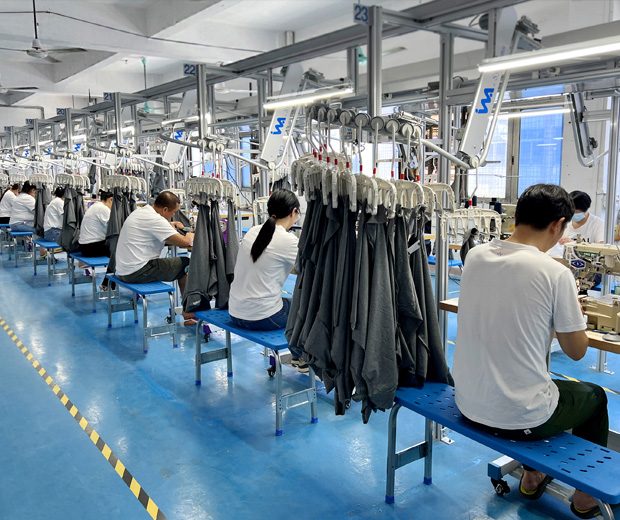
Compression wear represents a significant leap forward in the integration of apparel and performance enhancement methodologies. Compression garments are explicitly designed to apply specific, measured, graduated pressure to different muscle groups, promoting increased blood circulation and oxygen delivery during and after exercise. This localized pressure helps to stabilize muscles, reduce vibration during high-impact activities, and minimize the micro-tears that lead to delayed onset muscle soreness (DOMS). Beyond physical performance benefits, compression wear also offers profound proprioceptive advantages, significantly enhancing an athlete’s awareness of their body positioning in space. Developing effective compression wear requires highly precise engineering, advanced pattern making, and exceptionally high-quality elastomeric fabrics that maintain their compressive properties over time and repeated washings, highlighting the absolute necessity of skilled, experienced manufacturing partners in this specialized niche.
Prioritizing Ergonomics, Sizing, and Inclusive Fit
Achieving the perfect fit is arguably the most challenging and crucial element of sportswear design, requiring a deep, empathetic understanding of sizing, fit, and ergonomics for diverse body types. Athletic apparel must accommodate a phenomenally wide range of dynamic, explosive movements without restricting the wearer, riding up, or causing discomfort. This necessitates the extensive use of articulated patterning, seamlessly integrated gussets, and highly ergonomic seam placements that map the complex contours of the human body in motion. Furthermore, sizing must be remarkably consistent and radically inclusive, catering to a vast and diverse demographic of athletes and fitness enthusiasts. Brands that invest significant time and resources into perfecting their proprietary fit models and complex grading systems will inevitably cultivate intense, unwavering customer loyalty, as consumers consistently return to brands that offer garments that fit flawlessly and enhance their confidence.
The Specific Demands of High-Performance Running Apparel
Runners, particularly those engaged in long-distance endurance events, place incredibly specific and unforgiving demands on their apparel. Running gear must be astonishingly lightweight, highly aerodynamic, and exceptionally breathable to prevent overheating during sustained exertion. Furthermore, anti-chafing construction is paramount; even the slightest prominent seam or rough fabric edge can cause debilitating discomfort over the course of a marathon. Designers must also incorporate highly visible, strategically placed reflective elements to ensure runner safety during low-light conditions. Secure, bounce-free pocketing solutions for essentials like keys, energy gels, and smartphones are also highly sought after. Creating the perfect running garment requires a meticulous obsession with minor details and a profound understanding of the runner’s biomechanics, ensuring that the apparel acts as a completely seamless, imperceptible extension of the athlete’s body.
The Unique Flexibility Requirements of Yoga and Pilates Wear
In stark contrast to the high-impact nature of running, yoga and Pilates demand apparel that prioritizes ultimate flexibility, unrestricted range of motion, and a deeply comfortable, second-skin feel. Garments designed for these mindful practices must feature exceptional four-way stretch capabilities, allowing the wearer to transition fluidly through complex poses without experiencing any binding, pinching, or transparency issues. High-waisted leggings that offer gentle, supportive compression without digging into the abdomen are considered an absolute staple. The fabrics utilized must be exceptionally soft to the touch, often incorporating brushed finishes or natural fiber blends to enhance tactile comfort. Furthermore, the aesthetic of yoga wear often leans towards calming, earthy color palettes and minimalist silhouettes, reflecting the serene, introspective nature of the practice itself. Designing for yoga requires an acute focus on holistic comfort and fluid movement.
Engineering Gear for High-Intensity Interval Training
High-Intensity Interval Training (HIIT) and intensive cross-training regimens subject apparel to a barrage of multidirectional, explosive movements and immense friction. Gear engineered for these demanding activities must be incredibly durable, featuring heavily reinforced seams and abrasion-resistant fabrics, particularly in high-wear areas like the knees and shins. The garments must also provide exceptional sweat-wicking capabilities to manage the copious amounts of moisture generated during these short, intense bursts of maximal effort. Furthermore, cross-training apparel must be highly versatile, capable of transitioning seamlessly from heavy Olympic weightlifting to dynamic plyometric exercises to high-speed rowing without requiring the athlete to change gear. This necessitates a highly technical, hybridized approach to design, resulting in rugged, multifaceted garments that can withstand the absolute extremes of physical conditioning without compromising performance or comfort.
Designing Unrestrictive Weightlifting and Strength Apparel
Apparel explicitly designed for heavy weightlifting and intense strength training must prioritize absolute durability and completely unrestricted range of motion, particularly in the hips, glutes, and shoulders. Squat-proof leggings—garments that remain completely opaque even when stretched to their absolute maximum capacity—are a non-negotiable requirement for female lifters. Similarly, tops and singlets must allow for complete, unhindered shoulder mobility for complex overhead lifts. Many strength athletes also prefer garments with slightly more compressive fits to provide a sense of stability and support during maximal exertion. The fabrics used must be tough enough to withstand the abrasive knurling of heavy barbells without snagging or tearing. Designing for the strength community requires a deep respect for the biomechanics of heavy lifting and a commitment to producing garments that inspire unwavering confidence under the bar.
Aerodynamics and Padding in Modern Cycling Wear
Cycling apparel is perhaps the most highly specialized and technically demanding category within the entire sportswear spectrum. It is entirely dictated by the unforgiving laws of aerodynamics and the absolute necessity of sustained comfort in the saddle. Modern cycling jerseys are engineered to fit like a literal second skin, utilizing specialized wind-cheating fabrics and strategically placed seams to minimize aerodynamic drag at high speeds. The cycling bib short is a marvel of complex engineering, featuring highly sophisticated, multi-density chamois pads that provide critical shock absorption and prevent debilitating saddle sores during long endurance rides. Furthermore, cycling gear must incorporate highly secure, easily accessible rear pockets and highly visible reflective detailing. The development of elite cycling apparel involves extensive wind tunnel testing and relentless iteration, representing the absolute pinnacle of performance-driven garment engineering.
Hydrodynamics and Chlorine Resistance in Aquatic Apparel
Aquatic performance wear, encompassing both competitive swimming and intense water aerobics, presents a completely unique set of formidable challenges. The primary objective of competitive swimwear is the absolute minimization of hydrodynamic drag. This is achieved through the use of incredibly tight, compressive fits, ultrasonically bonded seamless construction, and highly specialized, water-repellent fabric coatings that allow the athlete to glide effortlessly through the water. Furthermore, aquatic apparel must possess exceptional resistance to the highly corrosive effects of harsh pool chemicals like chlorine, as well as the degrading effects of saltwater and intense UV exposure. The fabrics must retain their elasticity, color vibrancy, and compressive properties even after hundreds of hours submerged in these harsh environments. Designing effective aquatic wear requires a deep understanding of fluid dynamics and highly specialized, resilient material science.
Tradition Meets Modern Performance in Golf Apparel
Golf apparel occupies a unique and fascinating intersection where centuries-old sartorial tradition meets the demands of cutting-edge modern performance. While the aesthetic often adheres to classic, country-club-approved silhouettes—such as collared polo shirts, tailored trousers, and pleated skirts—the underlying materials are highly advanced. Modern golf apparel heavily utilizes sophisticated moisture-wicking synthetics, exceptional four-way stretch fabrics that accommodate the explosive, rotational mechanics of the golf swing, and critical UPF sun protection for long, exposed hours on the course. The challenge for golf apparel designers is to seamlessly integrate these advanced, high-performance features without compromising the refined, elegant aesthetic expected by traditionalists. It is a delicate, highly nuanced balancing act that requires a deep respect for the game’s rich history coupled with a progressive, forward-thinking approach to modern textile engineering and athletic performance.
The Evolution of Tennis and Racquet Sports Clothing
Similar to golf, the apparel designed for tennis and other dynamic racquet sports has undergone a massive evolution, transitioning from heavy, restrictive traditional whites to incredibly lightweight, highly technical performance gear. Racquet sports require massive amounts of explosive lateral movement, rapid sprints, and extreme flexibility. Consequently, the apparel must provide absolutely unrestricted mobility and massive breathability. Tennis skirts and shorts often incorporate built-in, supportive compression liners and highly specialized, easily accessible ball-storage solutions. The fabrics utilized must be exceptionally lightweight to prevent overheating during grueling, multi-hour matches under the blazing sun. Modern racquet sport apparel perfectly blends the classic, preppy aesthetic historically associated with the sport with the aggressive, high-tech performance requirements of the modern, highly athletic baseline game, resulting in garments that are both stylish and fiercely functional.
Mastering Cold-Weather Layering for Winter Sports
Apparel engineered for winter sports, such as alpine skiing, snowboarding, and high-altitude mountaineering, relies entirely on the complex science of strategic layering to provide critical insulation and weather protection. A highly effective winter sportswear system consists of three distinct components: a moisture-wicking, highly breathable base layer that aggressively pulls sweat away from the skin; an insulating mid-layer, often utilizing advanced fleece or synthetic down, that traps body heat; and a rugged, highly waterproof, and windproof outer shell that fiercely protects the athlete from the harsh, freezing elements. Designing these complex systems requires a profound understanding of extreme thermal dynamics and the utilization of highly advanced, proprietary materials like Gore-Tex and Polartec. Every seam must be meticulously sealed, and every zipper must be completely waterproof, ensuring total, uncompromising protection in the most unforgiving environments on Earth.
The Future of Smart Fabrics and Wearable Technology
The rapidly approaching future of athletic apparel is intrinsically linked to the exciting integration of smart fabrics and advanced wearable technology. We are currently on the precipice of a massive technological revolution where clothing will no longer be merely passive; it will actively monitor, analyze, and enhance athletic performance in real-time. Innovations such as seamlessly integrated biometric sensors that track heart rate, complex muscle activation patterns, and precise hydration levels are rapidly becoming a reality. Furthermore, we are seeing the development of highly advanced, phase-change materials that dynamically adapt their thermal properties in real-time based on the athlete’s fluctuating body temperature. As these incredible technologies become increasingly miniaturized and accessible, they will completely redefine the boundaries of human performance and totally revolutionize the way athletes train, recover, and interact with their highly sophisticated athletic apparel.
Exploring the Potential of 3D Printing in Garment Creation
Another incredibly disruptive technology poised to completely transform the sportswear manufacturing landscape is the rapid advancement of 3D printing. While still in its relatively early stages of commercial application, 3D printing offers the unprecedented, tantalizing potential for true, mass-customization of athletic apparel. Imagine a future where an athlete can step into a highly advanced full-body scanner and have a completely bespoke garment printed on-demand, precisely tailored to their exact, unique biomechanical specifications and personal aesthetic preferences. This technology could entirely eliminate the massive waste associated with traditional, large-scale manufacturing, drastically reduce global shipping emissions, and provide consumers with garments that offer a level of fit and performance previously thought impossible. The integration of 3D printing into mainstream activewear production represents a massive, highly exciting paradigm shift for the entire global fashion industry.
Building Unshakeable Supply Chain Resilience
In an era defined by massive global uncertainty and frequent, devastating disruptions, building unshakeable supply chain resilience has become the absolute top priority for major apparel brands. The traditional, highly fragile model of relying entirely on a single, massive overseas factory is no longer viable or safe. Brands are rapidly diversifying their sourcing strategies, aggressively exploring nearshoring and onshoring options to drastically reduce lead times and heavily mitigate geopolitical risks. Furthermore, they are investing massive amounts of capital into highly advanced supply chain visibility software, allowing them to track raw materials and finished goods in real-time across the entire globe. This proactive, highly strategic approach to supply chain management ensures that brands can rapidly adapt to unforeseen challenges, maintain totally consistent inventory levels, and reliably deliver their products to an increasingly demanding global consumer base.
Global Logistics and Efficient Inventory Management
Closely tied to supply chain resilience is the massive, highly complex challenge of global logistics and efficient inventory management. Moving massive quantities of apparel across international borders involves navigating a labyrinth of complex customs regulations, fluctuating freight rates, and highly unpredictable shipping schedules. Successful brands employ highly experienced logistics experts and utilize incredibly sophisticated demand-forecasting algorithms to optimize their complex inventory levels. Overstocking incredibly expensive inventory ties up massive amounts of crucial working capital, while understocking leads directly to devastating lost sales and severely frustrated customers. Achieving the perfect, delicate balance requires a massive amount of incredibly accurate data, highly agile production capabilities, and a deep, nuanced understanding of incredibly diverse, global consumer purchasing patterns. It is a highly complex, high-stakes game where operational efficiency directly dictates total financial success.
Elevating the Unboxing Experience with Custom Packaging
In the highly competitive, visually driven world of e-commerce, the physical unboxing experience has become a critical, highly leverageable brand touchpoint. The moment a customer receives and opens their carefully awaited package is a massive opportunity to significantly delight them and heavily reinforce your brand’s core identity. Brands are increasingly investing massive amounts of capital into premium, highly customized packaging solutions. This includes utilizing deeply sustainable, fully recycled mailers, gorgeously printed tissue paper, highly personalized thank-you notes, and incredibly sleek, minimalist garment bags. A truly exceptional, highly memorable unboxing experience not only deeply enhances the perceived, premium value of the product but also aggressively encourages customers to enthusiastically share their experience on highly influential social media platforms, generating massive amounts of invaluable, highly authentic organic marketing and potent word-of-mouth promotion.
The Power of Athlete Sponsorships and Influencer Marketing
Securing strategic, highly visible athlete sponsorships and executing massive influencer marketing campaigns remain incredibly powerful, highly effective strategies for building massive brand awareness and establishing deep, unshakeable credibility in the highly competitive sportswear market. When a highly respected, elite professional athlete or a deeply influential, highly trusted fitness personality publicly endorses your technical apparel, it instantly validates the high quality and elite performance capabilities of your product in the eyes of their massive, deeply devoted audience. However, it is absolutely crucial to ensure that these massive partnerships are deeply authentic and perfectly aligned with your brand’s core values. Consumers are incredibly savvy and can easily spot a forced, highly inauthentic endorsement. The most wildly successful partnerships are built on deep, genuine relationships, where the athlete or influencer truly, deeply believes in the product and effortlessly integrates it into their intense daily training regimen.
Harnessing Social Media and User-Generated Content
In the modern, highly connected digital age, aggressively harnessing the massive power of social media and aggressively leveraging user-generated content (UGC) is absolutely essential for driving explosive, viral brand growth. Social media platforms like highly visual Instagram and aggressively viral TikTok provide highly potent, incredibly cost-effective channels for showcasing your technical apparel in intense action, deeply telling your brand’s unique story, and directly, intimately engaging with your massive target audience. Furthermore, aggressively encouraging your highly devoted customers to post photos and dynamic videos of themselves intensely working out in your highly technical gear generates massive amounts of highly authentic, incredibly persuasive social proof. This powerful UGC serves as a massive, highly effective digital word-of-mouth engine, powerfully building deep trust and heavily inspiring new, highly eager customers to confidently purchase your premium products.
Dominating the Digital Space with Direct-to-Consumer Models
The rapid, massive acceleration of the Direct-to-Consumer (DTC) business model has completely, fundamentally revolutionized the entire athletic apparel industry. By completely bypassing traditional, highly restrictive wholesale retail channels, fiercely independent DTC brands retain absolute, total control over their premium pricing, highly curated brand presentation, and deeply intimate customer relationships. This incredibly powerful model allows brands to harvest massive amounts of highly valuable, incredibly granular first-party data, enabling incredibly highly targeted, highly personalized marketing campaigns and incredibly rapid, highly agile product iteration. To truly dominate the highly competitive digital space, DTC brands must aggressively invest massive amounts of capital into building incredibly fast, highly intuitive, and deeply visually stunning e-commerce platforms, completely optimizing the entire digital path to purchase, and relentlessly minimizing massive customer acquisition costs through incredibly sophisticated, highly targeted digital advertising strategies.
Turning Returns and Customer Service into Brand Loyalty
In the incredibly fast-paced, highly demanding world of massive online apparel retail, handling sizing returns and highly complex customer service inquiries is an absolutely inevitable, deeply challenging reality. However, rather than viewing these highly demanding interactions as a massive operational burden, deeply smart, highly strategic brands view them as massive, incredibly valuable opportunities to build deep, unshakeable brand loyalty. Offering completely hassle-free, totally free returns, providing incredibly rapid, highly empathetic, and deeply helpful customer support, and aggressively, proactively addressing intense customer concerns can rapidly transform a highly frustrated, deeply dissatisfied buyer into an incredibly passionate, deeply loyal brand advocate for life. Exceptional, truly world-class customer service is a massive, highly potent competitive advantage that directly, massively drives highly lucrative repeat purchases and significantly, deeply elevates total customer lifetime value.
The Psychology of Color in Performance Apparel
The highly strategic application of intense color theory in technical sportswear design is a deeply fascinating, highly impactful intersection of human psychology and elite athletic performance. Specific, highly saturated colors can aggressively elicit profound, deeply subconscious psychological and powerful physiological responses. For example, intense, highly vibrant reds are frequently utilized to aggressively stimulate powerful feelings of intense energy, explosive power, and fierce aggression, making them incredibly popular for massive, high-intensity training gear. Conversely, deep, calming blues and soft, earthy greens are frequently employed in serene yoga and deep recovery apparel to aggressively promote profound feelings of deep calmness, intense focus, and total relaxation. Deeply understanding these profound psychological nuances allows brilliant designers to meticulously craft highly technical garments that not only look incredibly visually striking but also aggressively, subconsciously put the elite athlete in the absolute optimal, perfect mindset for their specific, highly demanding physical activity.
Creating Meaningful Brand Narratives and Storytelling
In a massively saturated, highly competitive market overflowing with incredibly high-quality, technically brilliant products, crafting a deeply meaningful, highly resonant brand narrative is absolutely, fundamentally essential for truly standing out and aggressively capturing massive market share. Exceptional, truly world-class storytelling transcends the mere, boring functional features of a technical garment; it aggressively, deeply connects with the intense emotional aspirations, massive struggles, and profound triumphs of your massive target audience. Whether your powerful story is deeply rooted in overcoming massive adversity, relentlessly championing intense sustainability, or aggressively celebrating radical inclusivity, it must be deeply, profoundly authentic and consistently, aggressively woven throughout every single brand touchpoint. A highly compelling, deeply moving brand narrative transforms mere, ordinary customers into deeply passionate, highly devoted community members who fiercely, proudly champion your powerful brand and deeply share your powerful vision with the entire world.
Final Predictions for the Future of the Athletic Industry
As we aggressively look toward the highly exciting, rapidly approaching future, the massive, global athletic apparel industry is perfectly poised for incredibly explosive, continued massive growth and profound, breathtaking technological innovation. We deeply anticipate a massive, continued aggressive surge in highly sustainable, deeply circular manufacturing practices, the rapid, massive integration of incredibly advanced, highly sophisticated smart fabrics, and a totally renewed, deeply intense focus on radical, total inclusivity in both garment sizing and powerful brand representation. The highly successful, deeply dominant brands of the incredibly exciting future will be those that aggressively, relentlessly innovate, deeply, profoundly prioritize the holistic, total well-being of their massive consumer base, and heavily, aggressively invest in building deep, unshakeable, highly resilient, and deeply sustainable global supply chains. If you are ready to start building your sportswear empire, please reach out to us. We would love to help you bring your vision to life. Contact Us.