
The Definitive Era of Custom Activewear Manufacturing
The athletic apparel industry has undergone a monumental and permanent transformation over the past decade. Gone are the days when athletes, fitness enthusiasts, and casual gym-goers were satisfied with basic, heavy cotton t-shirts that absorbed sweat, clung uncomfortably to the body, and restricted dynamic movement. Today, the consumer demand for high-performance, moisture-wicking, and visually striking activewear is at an absolute all-time high. Whether you are launching an independent athleisure brand from your garage, outfitting a professional tier-one sports team, or scaling an established fitness apparel line to international markets, the quality of your physical garments will ultimately dictate your long-term success. At the very heart of this modern manufacturing revolution is dye sublimation technology. However, navigating the incredibly complex world of global apparel production is fraught with severe logistical and financial challenges. For any emerging or established athletic brand, finding the right Sublimation Printing Sportswear Supplier is the absolute cornerstone of a successful product line. This critical choice impacts everything from your profit margins and lead times to your brand reputation and overall customer retention.
This comprehensive, exhaustively detailed guide will take you deep into the technical, logistical, and business strategy aspects of dye sublimation within the athletic apparel sector. We will explore the fascinating molecular science behind the printing process, dissect the key performance benefits that make it vastly superior to traditional screen printing methodologies, and provide an exhaustive, step-by-step blueprint for vetting potential manufacturing partners. By the time you finish digesting this incredibly detailed resource, you will possess the elite industry knowledge required to source, evaluate, and collaborate with the perfect production partner, ensuring your next activewear collection is nothing short of world-class.
![Why Partnering with a Sublimation Printing Sportswear Supplier is a Game Changer]()
The Ultimate Guide to Finding the Perfect Sublimation Printing Sportswear Supplier
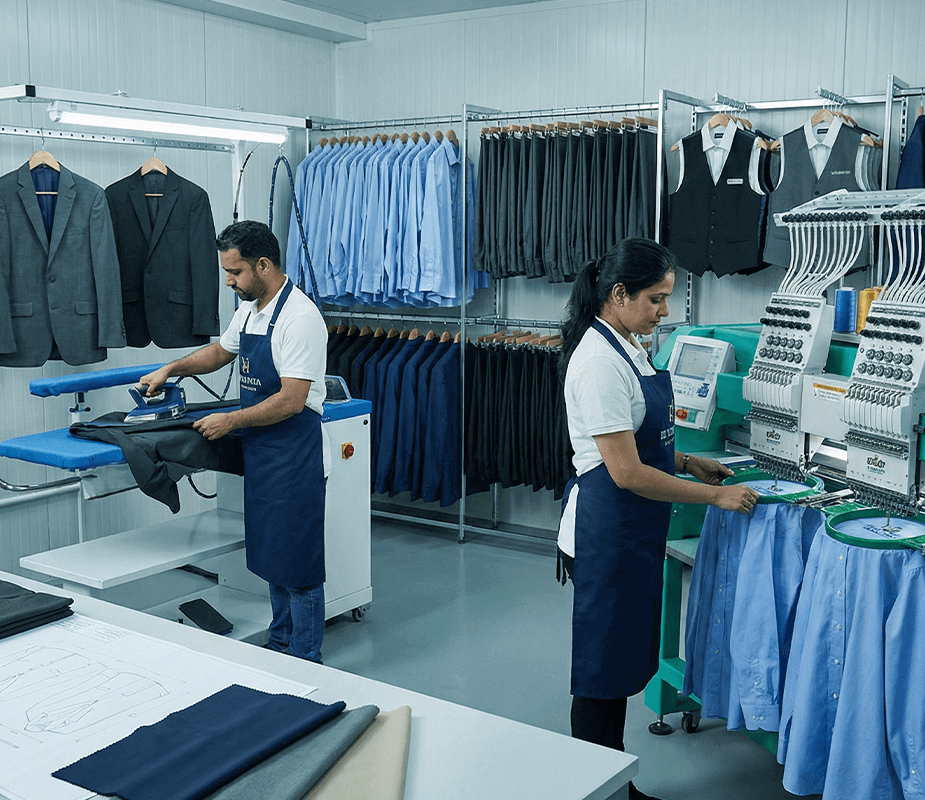
Embarking on the journey to produce custom, high-end activewear requires far more than simply finding a generic vendor online, attaching a logo to an email, and hoping for the best. The global landscape of apparel manufacturing is vast, highly complex, and filled with potential pitfalls for the uninitiated fashion entrepreneur. A true Sublimation Printing Sportswear Supplier acts as an indispensable extension of your brand, functioning as a strategic partner and trusted advisor rather than just a transactional order-taker. The ideal manufacturing partner profoundly understands the minute nuances of athletic performance, the critical importance of exact, mathematical color matching across different textiles, and the stringent, unyielding quality control protocols necessary for producing high-end, premium sportswear.
The global supply chain offers a multitude of sourcing options, ranging from small-scale domestic printing houses to massive, vertically integrated overseas factories. Each of these avenues presents its own unique set of advantages and distinct disadvantages. Domestic suppliers often offer significantly faster turnaround times, simplified logistics, and easier, time-zone-friendly communication, making them ideal for rapid prototyping and short-run, limited-edition collections. However, overseas factories generally provide massive economies of scale, significantly lower per-unit costs, and access to a much wider, more advanced variety of specialized performance fabrics. Navigating this complex dichotomy is the first major strategic hurdle for apparel entrepreneurs. It requires a meticulous, objective evaluation of your brand’s specific immediate needs, budget constraints, and long-term, multi-year scaling strategy. When you align with a manufacturer whose technical capabilities perfectly match your business model, you unlock the unprecedented ability to produce garments that rival those of industry titans like Nike, Under Armour, and Lululemon.
Furthermore, a truly professional and dedicated supplier will offer comprehensive end-to-end manufacturing solutions. This fundamentally means they do not simply print fabric and blindly ship it to your warehouse; they actively assist with complex pattern making, precise sizing grading, advanced fabric selection, and flawless final garment assembly. They provide absolute transparency throughout the entire production workflow, offering regular digital updates and physical prototypes before ever moving into mass production. This elite level of dedication is exactly what separates mediocre, fly-by-night vendors from world-class manufacturing partners.
![Why Partnering with a Sublimation Printing Sportswear Supplier is a Game Changer]()
What Exactly is the Dye Sublimation Process?

To fully appreciate the immense value and premium pricing of high-quality athletic apparel, one must thoroughly understand the intricate, highly technical science behind how it is physically created. Dye sublimation is not merely a rudimentary method of applying surface color to a textile; it is a complex, profound physiochemical transformation that permanently alters the structural identity of the fabric itself. Unlike traditional screen printing, direct-to-garment (DTG) printing, or heat transfer vinyl (HTV)—which all inherently deposit a thick, rigid layer of ink or plastic heavily on top of the textile surface—sublimation integrates the color directly into the fibers at a microscopic, molecular level.
The Fascinating Science of Phase Transition
In the highly academic realm of physics and chemistry, the term sublimation specifically refers to the unique transition of a substance directly from a solid state into a gaseous state, completely and entirely bypassing the intermediate liquid phase. In the specialized context of apparel manufacturing, this exact scientific phenomenon is intentionally harnessed to achieve unparalleled, breathtaking fabric coloration. The complex process begins with specialized, scientifically formulated disperse dyes, which are printed onto a highly engineered, coated transfer paper using massive, industrial wide-format inkjet printers. At this initial stage, the intricate design exists simply as a dull, mirror image of the final product, resting delicately on the paper in a completely solid state.
The true manufacturing magic occurs inside an immense, heavily calibrated industrial heat press. The printed transfer paper is perfectly aligned with a pristine, blank white polyester fabric, and the two are simultaneously subjected to immense physical pressure and extreme heat—typically meticulously calibrated to range between 380°F and 400°F (195°C to 205°C). Under these incredibly precise, high-energy conditions, two critical events happen simultaneously in fractions of a second. First, the intense thermal energy causes the solid disperse dyes on the paper to flash-vaporize into a highly energetic gas. Second, the heat simultaneously causes the tightly woven synthetic polymer structures of the polyester fibers to expand and “open up,” creating microscopic, highly receptive voids.
The newly formed, high-pressure gaseous dye is immediately and forcefully driven by the mechanical pressure of the machine into these newly opened voids within the expanding polyester fibers. As the pressing cycle completes and the fabric is rapidly removed from the heat source, it rapidly cools back to room temperature. The polyester fibers instantly close back up, securely and permanently trapping the dye molecules inside their core. The dye has returned to a solid state, but it is now permanently encapsulated within the very structural DNA of the textile. The breathtaking result is a vibrant, high-definition, photorealistic print that is literally an inseparable part of the fabric itself.
Why Natural Fibers Fall Short in High-Performance Gear
A frequent, highly problematic point of confusion for new apparel brands is the strict, uncompromising limitation of fabric choices when utilizing this specific, highly advanced printing technique. It is an immutable, scientifically undeniable fact that disperse dyes will only chemically bond with synthetic polymers. They have absolutely zero molecular affinity for natural cellulosic fibers like organic cotton, linen, hemp, or bamboo, nor do they bond effectively with protein-based natural fibers like wool or silk. If a manufacturer were to attempt to sublimate a 100% cotton t-shirt, the gaseous dye would simply pass straight through the weave or wash out almost entirely during the consumer’s very first laundry cycle, resulting in a ruined garment and a furious customer.
For this exact scientific reason, elite performance activewear is overwhelmingly constructed from highly engineered synthetic materials, primarily pure polyester, nylon, and advanced elastane (spandex) blends. Polyester is the undisputed, reigning king of the athletic sublimation world. Modern textile engineering has advanced dramatically to the point where high-end, micro-filament polyester knits are incredibly soft to the touch, closely mimicking the desirable feel of premium combed cotton while retaining all the critical athletic benefits of synthetic fibers. While some casual lifestyle brands may intentionally use poly-cotton blends (for instance, 65% polyester, 35% cotton) to achieve a faded, distressed, vintage, or “heathered” aesthetic—where only the polyester fibers absorb the dye while the cotton fibers remain blank—true, uncompromising athletic sportswear absolutely demands high-percentage synthetic compositions to ensure maximum color vibrancy, structural integrity, and athletic functionality.
Key Benefits of Partnering with a Sublimation Printing Sportswear Supplier
The massive, industry-wide shift away from traditional apparel decoration methods toward molecular dye infusion is powerfully driven by a very specific, highly desirable set of advantages that are utterly indispensable for modern activewear. When a competitive athlete is aggressively pushing their physical limits on the field, track, or in the gym, their clothing must perform flawlessly, acting as a second skin rather than a hindrance. This is precisely where the chosen manufacturing technique transcends aesthetics and becomes a critical, measurable competitive advantage.
Unmatched Durability and Unyielding Wash-Fastness
The single most significant, universally praised advantage of this specific manufacturing process is absolute, uncompromising durability. Because the high-quality ink is physically locked inside the core of the fiber, rather than lazily sitting on top of it as a separate, fragile layer, the design is virtually indestructible under even the most extreme normal wear and tear. It will never crack, peel, flake, or scratch off, regardless of how much friction it endures on the rugby pitch or MMA mat. Standard screen-printed garments, particularly those featuring large, dense solid blocks of color or thick logos, are notoriously prone to degrading rapidly over time. The heavy plastisol ink universally used in screen printing inevitably becomes brittle with repeated washing and hot machine drying, leading to an unsightly, cracked, distressed appearance that drastically lowers the perceived value of the brand. Conversely, sublimated garments offer incredible, industry-leading wash-fastness. The colors will remain as vividly brilliant, saturated, and razor-sharp on the one-hundredth aggressive wash cycle as they were on the exact day the garment originally came off the factory production line.
Complete Design Freedom and Edge-to-Edge Customization
Frustrating design limitations and restrictive bounding boxes are entirely eliminated with this revolutionary technology. Because the raw fabric is entirely printed prior to the garment being meticulously sewn together (in a premium cut-and-sew workflow), the artwork can seamlessly span across the entire, uninterrupted surface of the apparel—from edge to edge, seam to seam, without a single break in the pattern. This incredible capability allows for breathtaking, complex all-over prints, stunningly photorealistic imagery, highly intricate geometric patterns, and perfectly smooth, seamless gradients that are physically and scientifically impossible to achieve with traditional screen printing or heavy embroidery. Every single graphical element, including the primary brand logos, intricate sponsor graphics, individual player names, unique roster numbers, and even the internal care instruction labels, can be permanently embedded into the fabric in a single, highly efficient printing pass. This also beautifully eliminates the heavy, stiff, “bulletproof” feeling commonly associated with thick, multi-layered screen prints, ensuring the garment moves fluidly with the athlete.
Zero Weight and Perfectly Preserved Breathability
In the highly competitive realm of athletic wear, the physical “hand feel” and the uninhibited breathability of the fabric are absolutely paramount to athletic performance. Screen printing applies a thick, rubberized layer of industrial ink that adds noticeable, undesirable weight to the garment. More critically, this thick ink layer creates a solid, impermeable barrier that completely blocks the microscopic, highly engineered pores of the athletic fabric, totally destroying its essential moisture-wicking capabilities and dangerously trapping intense body heat directly against the athlete’s skin. Sublimation, by its very molecular nature, adds absolutely zero physical weight to the garment and leaves the fabric’s engineered pores completely unobstructed. When you collaborate with a highly knowledgeable Sublimation Printing Sportswear Supplier, they will expertly help you select advanced, highly technical micro-mesh, interlock, or bird’s eye knit fabrics that actively and aggressively pull sweat away from the skin to the surface of the garment for rapid evaporation, ensuring the athlete remains exceptionally cool, dry, and comfortable during periods of absolute peak physical exertion.
How to Evaluate and Choose the Right Sublimation Printing Sportswear Supplier
The exhaustive vetting process is arguably the most critical, high-stakes phase of launching or heavily scaling a custom apparel line. The internet is absolutely flooded with generic factories falsely claiming to produce premium gear, but the harsh reality often falls devastatingly short of the slick marketing hype. Implementing a rigorous, uncompromising evaluation framework will save your growing brand from catastrophically costly manufacturing disasters and severe, irreversible reputational damage among your core customer base.
Assessing Minimum Order Quantities (MOQs) and True Scalability
One of the primary, often insurmountable financial hurdles for rapidly growing clothing brands is the strict Minimum Order Quantity (MOQ) demanded by traditional factories. Legacy cut-and-sew factories often rigidly require massive MOQs of 500 to 1,000 units per single style, per exact colorway. This archaic requirement ties up immense, crippling amounts of operational capital in stagnant inventory and significantly increases the financial risk of launching untested designs. However, the highly flexible, digital nature of modern printing means that physical setup costs are drastically and permanently reduced. A premium Sublimation Printing Sportswear Supplier offers highly flexible, brand-friendly MOQs, sometimes remarkably as low as 50 or 100 units, allowing agile brands to safely test new, avant-garde designs in the live market without committing to massive, risky inventory overhead. It is equally and critically important to thoroughly ensure that the chosen supplier possesses the heavy infrastructural capacity and advanced machinery to seamlessly scale production to tens of thousands of units effortlessly once your brand inevitably takes off and requires massive volume.
Scrutinizing Fabric Sourcing and Advanced Textile Engineering
It is a fundamental truth in apparel manufacturing that not all polyester is created equal. The physical and tactile difference between cheap, irritating, low-grade polyester and high-end, butter-soft, heavily engineered performance fabric is absolutely monumental. You must rigorously evaluate a potential supplier based entirely on their direct access to premium, cutting-edge textiles. Crucial metrics to consider deeply include the GSM (Grams per Square Meter), which strictly dictates the physical weight, drape, and opacity of the fabric, and the highly specific elastane content (spandex or Lycra), which scientifically determines the precise 4-way stretch capabilities absolutely crucial for uninhibited athletic mobility. A dedicated Sublimation Printing Sportswear Supplier will proudly provide comprehensive, physical fabric catalogs featuring highly specialized knits—such as dense interlock for high-compression gear, textured pique for premium golf polo shirts, and plush french terry for heavyweight warm-up hoodies. Furthermore, you should proactively inquire about advanced, high-tech textile treatments, including silver-ion anti-microbial coatings for extreme odor resistance, UPF/UV-blocking finishes for intense outdoor sports, and robust anti-pilling technologies that keep the garment looking brand new for years.
The Critical Importance of Prototyping and Strike-Offs
Never, under any circumstances whatsoever, should you blindly proceed directly to bulk mass production without demanding a rigorous, multi-step prototyping phase. A truly professional manufacturing partner will absolutely insist on a meticulous approval process to protect both parties. This critical process always begins with a “strike-off”—a small, physical swatch of your exact chosen fabric expertly printed with a cross-section of your custom design. Strike-offs are absolutely essential for verifying mathematically exact color reproduction, as digital RGB colors glowing on an illuminated computer monitor never translate perfectly to CMYK chemical dyes pressed onto physical textiles. Once the physical strike-off is formally approved, a complete, fully constructed pre-production sample (PPS) must be meticulously created. This PPS allows you to physically wear-test the garment’s fit, scrutinize the quality of the stitching, evaluate the true drape of the fabric, and confirm the overall execution of your detailed tech pack. Your Sublimation Printing Sportswear Supplier should excel in transparent communication and precision during this phase, warmly welcoming your detailed feedback and making all necessary, millimeter-perfect adjustments to patterns and grading before ever green-lighting mass manufacturing.
The Economics of Print-on-Demand Versus Bulk Activewear Manufacturing
Navigating the complex financial landscape of apparel production is just as critical as profoundly understanding the manufacturing technology itself. Traditionally, launching a globally competitive activewear line required massive, often prohibitive upfront capital. Brands were completely forced to purchase tens of thousands of units months in advance, heavily relying on highly speculative trend forecasting to determine which exact sizes, colors, and designs would actually resonate with unpredictable consumers. This fundamentally archaic, highly risky model inevitably led to bloated, stagnant inventories, massive warehousing and storage costs, and the eventual, profit-destroying discounting or total liquidation of unsold dead stock. However, the rapid advent of digital dye technologies has completely and permanently revolutionized apparel economics, introducing highly agile, incredibly lean manufacturing models that fiercely empower both nimble startup entrepreneurs and established global enterprises alike.
Modern Print-on-demand (POD) and specialized micro-batch manufacturing allow forward-thinking brands to operate with virtually zero physical inventory. In a true, fully integrated POD model, a specific garment is only printed, meticulously cut, and expertly sewn after a consumer has actually placed an order and paid for it in full on the brand’s e-commerce platform. This completely and entirely eliminates inventory risk, upfront capital requirements, and the need for large-scale, expensive warehousing. While the actual per-unit manufacturing cost in a POD model is inherently and understandably higher than in massive bulk manufacturing, the brand’s gross margin is heavily protected because the brand never has to aggressively discount dead stock to clear warehouse shelves. As the brand aggressively scales, gathers customer data, and conclusively identifies its best-selling core products, they can seamlessly and strategically transition to traditional bulk manufacturing for those specific proven items, leveraging massive economies of scale to drastically lower the unit cost and exponentially maximize profitability. A highly versatile Sublimation Printing Sportswear Supplier will often proudly offer a sophisticated hybrid approach, fully supporting low-volume, rapid-turnaround test runs while simultaneously possessing the massive industrial infrastructure required to flawlessly fulfill massive wholesale orders when a unique design unexpectedly goes viral.
The Step-by-Step Custom Apparel Manufacturing Workflow
Deeply understanding the actual, physical workflow occurring within a bustling manufacturing facility forcefully empowers brand owners to communicate far more effectively with their partners, anticipate potential bottlenecks, and set highly realistic expectations regarding delivery timelines and production complexity. The physical creation of a custom sublimated garment from scratch is a meticulously orchestrated, highly technical ballet of digital design software, advanced chemistry, and massive industrial heavy machinery.
Conceptualization, Tech Packs, and Digital Design
The entire manufacturing process properly initiates with the tech pack—the ultimate, uncompromising architectural blueprint of your garment. The highly detailed tech pack includes precise vector artwork (typically created meticulously in Adobe Illustrator), exact, universal Pantone color codes, highly specific sizing charts, mathematical grading rules for different sizes, and exact stitch specifications. The factory’s dedicated pre-press department then utilizes advanced, highly specialized RIP (Raster Image Processor) software to carefully prepare the massive digital files. This incredibly powerful software mathematically translates the vector graphics into highly precise mechanical instructions for the large-format inkjet printers, carefully managing complex, proprietary color profiles (ICC profiles) to strictly ensure that the exact, vibrant hue of neon green or deep, inky navy blue you explicitly specified is translated flawlessly and accurately onto the final physical fabric.
High-Resolution Printing on Specialized Transfer Paper
Once the massive digital files are thoroughly finalized and approved, the intricate designs are printed in exact reverse onto enormous master rolls of specialized sublimation transfer paper. These are absolutely not standard desktop or office printers; they are massive, multi-million dollar industrial machines utilizing high-precision, microscopic piezoelectric printheads that furiously deposit microscopic, mathematically perfect droplets of disperse dye ink onto the moving paper with astounding, flawless accuracy. The inherent quality of the transfer paper itself is a highly critical, often overlooked variable; it must be chemically engineered to securely hold a massive ink load without warping, tearing, or buckling, while also possessing a highly specialized chemical coating that ensures maximum, rapid ink release during the intense heat pressing stage.
The Heat Press Application: Flatbed vs. Calender Presses
The heavily printed master roll of transfer paper is then carefully transported to the heat press department. There are two primary, massive types of industrial presses used in professional athletic wear production. For large, continuous master rolls of raw fabric, advanced factories utilize a massive rotary calender press. In this incredible machine, the huge roll of printed transfer paper and the enormous roll of blank white performance fabric are fed simultaneously through heavily heated, continuously circulating oil-filled drums under extreme, highly calibrated tension. This automated method is highly efficient for massive volume mass production. Alternatively, for complex, pre-cut individual garment panels, massive, pneumatic flatbed heat presses are utilized. Ensuring perfectly even, uncompromising temperature and mathematically perfect pressure across the entire massive platen is absolutely crucial; any slight cold spots, pressure drops, or fluctuations will instantly result in ugly faded areas, color shifting, or total, catastrophic print failure.
Precision Cut, Sew, and Rigorous Quality Control
After the raw fabric has been successfully and vibrantly dyed, it moves swiftly to the cutting floor. In highly modern facilities, this delicate process is often executed with highly accurate, computer-guided laser cutters that instantly and perfectly seal the delicate edges of the synthetic fabric as they cut, completely preventing future fraying. The individual, brilliantly printed panels (the front torso, back, sleeves, collar) are then carefully bundled and sent directly to the sewing floor. The physical construction of true athletic wear absolutely requires specialized, highly durable sewing techniques. Flatlock stitching is widely and critically used to create incredibly strong, low-profile, flat seams that totally prevent harsh chafing against the athlete’s sensitive skin during extreme movement. Overlock machines are strategically used to securely finish edges and provide maximum, uninhibited stretch and durability at high-stress joints. Finally, the completely finished garments undergo rigorous, uncompromising quality control (QC) inspections by highly trained staff to meticulously check for stitch integrity, perfect color consistency, flawless alignment of patterns, and exact sizing accuracy before being carefully bagged, tagged, and prepared for complex global shipping.
Common Pitfalls in Activewear Production and How to Avoid Them
Even with highly advanced, space-age technology, apparel manufacturing is fundamentally a physical, highly labor-intensive process, and devastating errors can absolutely occur if protocols are ignored. Knowing exactly what technical flaws to look out for allows you to aggressively hold your manufacturing partners accountable and absolutely ensure your loyal customers receive nothing but flawless, premium products.
Ghosting, Image Blurring, and Color Migration
One of the most common, visually devastating defects in this specific printing process is known in the industry as “ghosting.” This catastrophic error occurs when the transfer paper physically shifts or slides slightly against the fabric while inside the intense heat press, often during the highly crucial cooling phase when the heavy press is suddenly opened. The terrible result is a blurry, out-of-focus, double-exposed image that completely and permanently ruins the garment. A highly transparent Sublimation Printing Sportswear Supplier will confidently provide fully landed cost estimates that honestly account for a tiny, acceptable defect rate, but they will primarily employ strict preventative measures to stop it from happening at all. Using highly specialized, premium “tacky” sublimation paper, which chemically becomes slightly adhesive under extreme heat and physically locks itself rigidly to the fabric, is an absolute standard industry practice among elite manufacturers to completely eliminate the risk of ghosting.
The Disastrous Perils of Sublimating Pre-Made Blanks
A massive, critical distinction in the world of apparel manufacturing is the fundamental difference between lazily printing on pre-made, fully sewn blank garments versus utilizing a true, professional cut-and-sew workflow. Some dubious, budget-tier suppliers attempt to drastically lower their operating costs by simply buying cheap, pre-sewn white t-shirts and laying them completely flat under a standard flatbed heat press. This lazy method inevitably and unavoidably results in severe, embarrassing quality issues. Because a fully sewn garment is physically three-dimensional and never perfectly flat, the rigid heat press simply cannot reach the fabric deeply hidden inside the thick folds of the seams, particularly in the complex armpit areas, along the collar ribbing, and near the hems. This terrible limitation results in glaring, highly visible white streaks—often mockingly referred to in the industry as “white smiles,” “creasing,” or “voids”—where the gaseous ink completely failed to penetrate. For true, professional, retail-ready athletic apparel, a dedicated cut-and-sew methodology is absolutely non-negotiable. The raw fabric must be printed perfectly flat before the garment is ever assembled. This is the only physical way to achieve flawless, continuous, edge-to-edge design coverage without unseemly, amateurish white voids.
Sustainability and the Future of Eco-Friendly Athletic Apparel
The massive global fashion and apparel industry is currently facing an intense, highly publicized reckoning regarding its devastating environmental impact. Traditional textile vat dyeing is historically one of the most toxic, heavily polluting industrial processes on the entire planet, wildly consuming massive, unsustainable amounts of fresh water and routinely releasing highly toxic, chemically loaded runoff into vital global waterways. Fortunately, the advanced sublimation technology we are discussing is inherently, scientifically far more sustainable and environmentally responsible.
A Revolutionary Waterless Printing Process
Unlike traditional, archaic vat dyeing or massive screen printing operations, which absolutely require extensive, wasteful water usage for massive dye baths and constant screen washing, modern dye sublimation is a completely, 100% waterless printing process. The fascinating chemical transition from solid ink to gaseous dye relies entirely and exclusively on thermal heat and physical mechanical pressure, completely eliminating any need for water consumption during the coloration phase. Furthermore, the high-end disperse dyes used in modern, premium high-quality production are typically completely non-toxic, highly strictly regulated, and totally free of dangerous heavy metals, making them vastly safer for the dedicated factory workers handling them and the final end consumer wearing the garment. Because there is absolutely no contaminated, toxic wastewater generated by the printing phase, the ecological footprint of the physical garment is drastically and permanently reduced.
The Vital Integration of Recycled Textiles
Arguably the most exciting, paradigm-shifting advancement in sustainable activewear is the widespread, aggressive adoption of Recycled Polyethylene Terephthalate, commonly known throughout the textile industry as rPET. This incredible fabric is ingeniously engineered entirely from diverted post-consumer plastic waste, primarily discarded single-use water bottles that have been meticulously collected, aggressively cleaned, melted down to a liquid state, and brilliantly extruded into incredibly fine, high-performance textile yarns. Sublimation technology is mathematically and scientifically perfectly compatible with advanced rPET fabrics, yielding the exact same incredibly vibrant colors, soft hand feel, and extreme athletic durability as virgin, petroleum-based polyester. As modern consumer demand for highly eco-conscious products skyrockets globally, your Sublimation Printing Sportswear Supplier must be able to reliably source certified recycled fabrics, firmly backed by stringent, verifiable international standards such as the Global Recycled Standard (GRS). Proudly offering a fully eco-friendly, highly sustainable product line allows smart brands to clearly differentiate themselves in an incredibly crowded marketplace while genuinely, measurably contributing to vital global conservation and waste-reduction efforts.
Why Omni Custm is Your Ultimate Sublimation Printing Sportswear Supplier
Building a truly remarkable, globally recognized activewear brand is an incredibly demanding, highly stressful endeavor, heavily requiring you to flawlessly balance creative design innovation, aggressive marketing strategy, and incredibly complex global supply chain logistics. You simply cannot afford to be constantly bogged down by unexpected manufacturing delays, disastrously poor factory communication, or embarrassingly substandard product quality that leads to massive customer returns. You absolutely need a steadfast manufacturing partner who is precisely as invested in your brand’s rapid growth and pristine reputation as you are.
Omni Custm has firmly established itself globally as an undisputed industry leader in premium, custom athletic apparel manufacturing. We seamlessly combine state-of-the-art, highly calibrated Japanese printing technology with masterful, precision tailoring to consistently deliver spectacular garments that perform exceptionally well under the absolute most extreme athletic conditions imaginable. We profoundly understand the highly specific, agonizing pain points of modern brand owners, which is precisely why we proudly offer highly accessible, brand-friendly Minimum Order Quantities, completely transparent, hidden-fee-free pricing structures, and an obsessive, unyielding dedication to rigorous quality control. Our massive, exclusive catalog of premium, ultra-moisture-wicking, and highly sustainable rPET performance fabrics absolutely ensures that your creative vision is executed without a single compromise.
Choosing the ultimate Sublimation Printing Sportswear Supplier can quite literally make or break your brand’s entire reputation in a fiercely competitive global market. Do not leave your vital production and inventory to pure chance or unverified overseas vendors. If you are truly ready to elevate your brand to the absolute next level, flawlessly streamline your complex supply chain, and consistently deliver world-class, premium apparel to your fiercely loyal customers, it is absolutely time to take decisive, strategic action. To deeply discuss your next massive collection, review fabric options, and request a comprehensive, no-obligation manufacturing consultation, contact us today and let our dedicated team of elite manufacturing experts bring your exact vision to breathtaking life.