

The Complete Guide to Launching Your Activewear Line and Scaling Your Brand
The global activewear market has seen an unprecedented surge in recent years, transforming from a niche segment into a dominant force in the fashion industry. At the heart of this revolution lies a critical piece of athletic apparel: the sports bra. For brands looking to make their mark in this highly competitive space, finding the right Custom Sports Bra Manufacturer is not just a logistical step; it is the cornerstone of building a reputable, high-quality brand. The modern consumer is incredibly discerning. They demand garments that not only look stylish but also perform flawlessly under pressure. A sports bra is a highly technical garment, requiring precise engineering, premium materials, and an intimate understanding of biomechanics. This comprehensive guide will walk you through everything you need to know about navigating the complex world of activewear production. By understanding the intricacies of design, material science, and supply chain logistics, you can position your brand for sustainable, long-term success. The foundation of this success begins with selecting a manufacturing partner who shares your vision and commitment to excellence. Without this crucial alliance, even the most innovative designs will fail to reach their full potential in the marketplace, leaving you struggling to compete.
![Support and Comfort: Sourcing a Custom Sports Bra Manufacturer]()
The Evolution of Activewear: Why Every Brand Needs a Custom Sports Bra Manufacturer
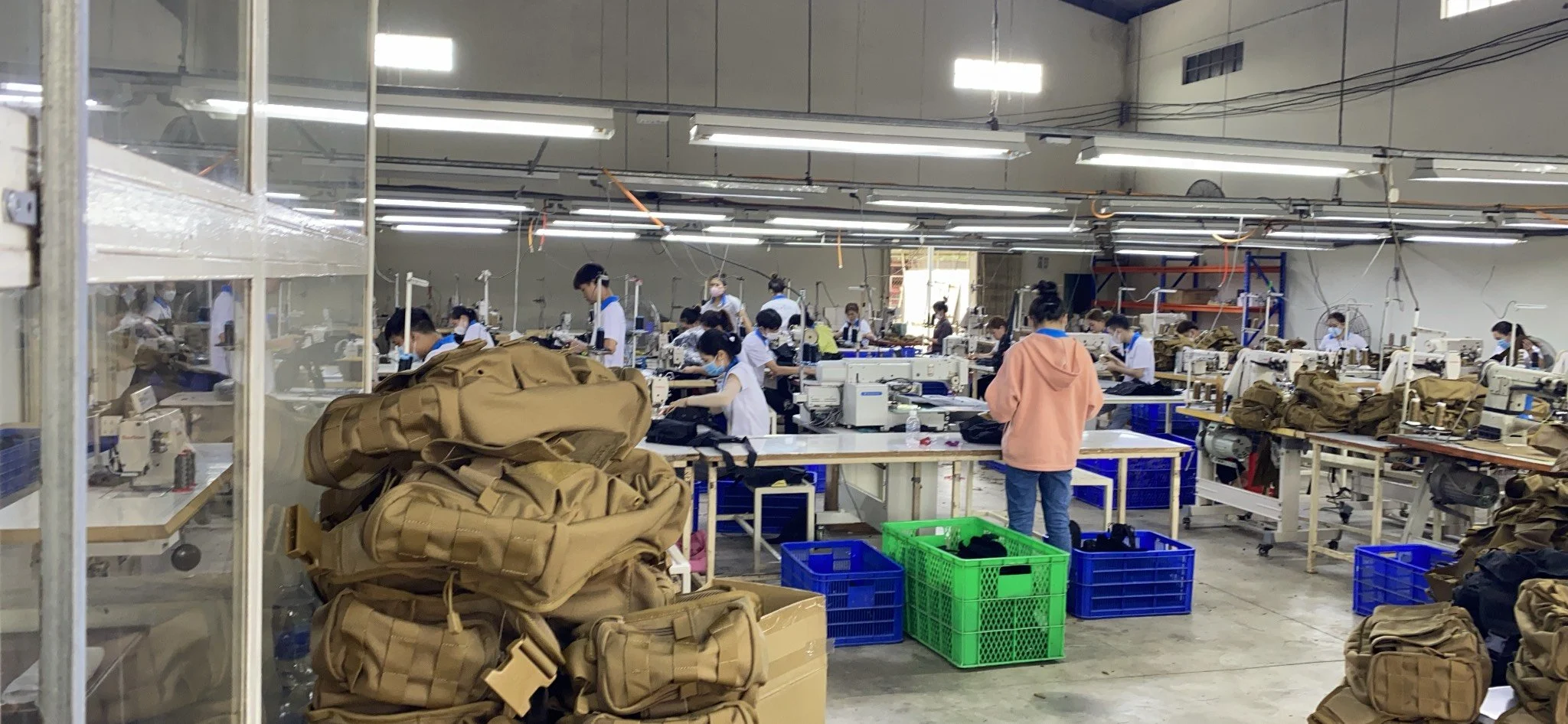
The journey of the sports bra is a fascinating tale of innovation and necessity. Decades ago, women had limited options when it came to athletic support, often resorting to wearing multiple standard bras or uncomfortable, restrictive garments that offered little in the way of actual performance enhancement. Today, the landscape is entirely different. The evolution of activewear has been driven by a relentless pursuit of better, more supportive, and more comfortable solutions. This evolution highlights precisely why working with a Custom Sports Bra Manufacturer is essential. Off-the-rack, white-label solutions simply cannot provide the level of specificity and technological integration that today’s athletes and fitness enthusiasts demand. As physical activities diversify—from high-intensity interval training to restorative yoga—the functional requirements of athletic support have diversified as well, necessitating specialized manufacturing approaches tailored to specific use cases.
From Basic Support to High-Tech Performance Engineering
In the early days, sports bras were primarily designed with a single goal: compression. They aimed to flatten the chest to reduce movement, which often resulted in discomfort and restricted breathing. As sports science advanced, so did the apparel. We saw the introduction of encapsulation technology, which supports each breast individually, offering a much higher degree of comfort and motion control, particularly for high-impact activities like running or HIIT workouts. A skilled manufacturing partner understands this history and possesses the technical capability to implement these advanced design principles into your product line. They utilize cutting-edge machinery and specialized construction techniques—such as laser cutting, bonded seams, and targeted ventilation zones—that elevate a basic garment into a piece of high-tech performance gear. This transition from basic apparel to performance engineering is the defining characteristic of modern activewear.
The Athleisure Boom and the Unprecedented Demand for Personalization
The rise of athleisure has blurred the lines between gym wear and everyday apparel. Consumers now expect their sports bras to transition seamlessly from a morning spin class to a brunch date or running errands. This shift in consumer behavior means that aesthetic appeal is just as important as functional performance. Intricate strap designs, bold color palettes, unique fabric textures, and flattering silhouettes are non-negotiable. Achieving this delicate balance of style and substance is a complex task. When you collaborate with a dedicated Custom Sports Bra Manufacturer, you unlock the ability to personalize every single aspect of your garment. You are not limited by pre-existing templates; instead, you can bring your most innovative and unique design concepts to life, ensuring your brand stands out in a crowded marketplace where differentiation is the ultimate currency.
![Support and Comfort: Sourcing a Custom Sports Bra Manufacturer]()
Understanding the Intricate Anatomy of a High-Quality Sports Bra
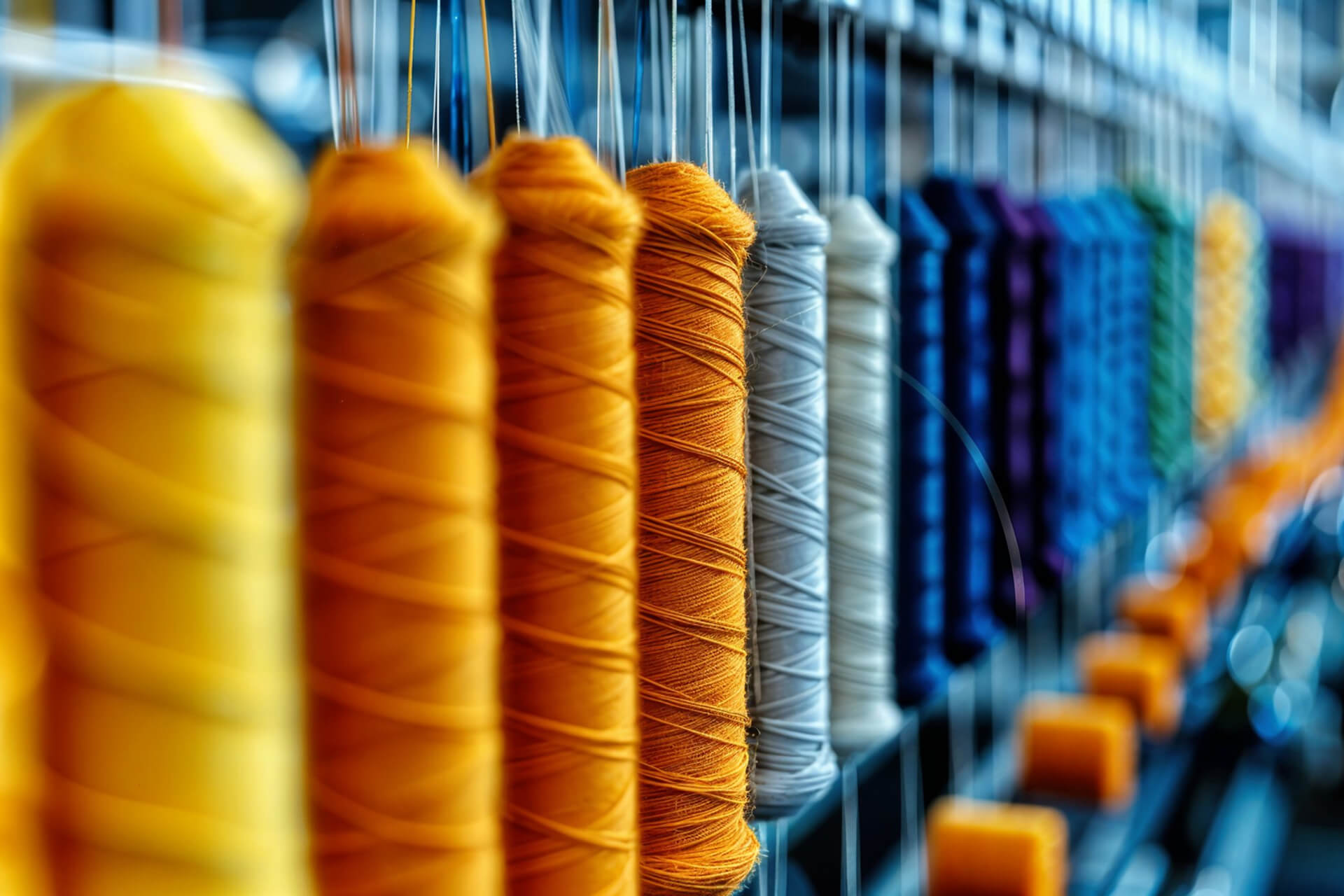
To truly appreciate the value of premium manufacturing, one must understand the anatomy of the garment itself. A sports bra is not a simple piece of clothing; it is a highly engineered support system. Every component, from the fabric choice to the stitching technique, plays a crucial role in the final product’s performance and longevity. Overlooking even a single detail can result in a substandard product that fails to meet customer expectations, leading to poor reviews, high return rates, and irreversible damage to your brand’s reputation. Manufacturers spend years perfecting the interplay between these components to achieve optimal results. When a customer puts on your garment, they should immediately feel the difference in quality, support, and thoughtful design that only comes from a superior build process.
Fabric Selection: The Absolute Foundation of Comfort and Functionality
The fabric is the soul of any activewear garment. For sports bras, the material must possess a specific set of characteristics: it must be stretchable yet shape-retaining, soft against the skin to prevent chafing, and durable enough to withstand frequent washing and intense physical activity. Common blends include polyester, nylon, and elastane (spandex), but the exact ratios and the quality of the raw fibers make a world of difference. Your chosen Custom Sports Bra Manufacturer will guide you through the fabric selection process, offering insights into the latest textile innovations. They can source proprietary blends that offer superior four-way stretch, exceptional shape memory, and an incredibly soft hand-feel, ensuring your products feel luxurious while performing at the highest level of athletic rigor. This material expertise is indispensable for any serious brand.
Moisture-Wicking, Breathability, and Thermal Regulation
During a workout, the body generates significant heat and sweat. If a sports bra traps this moisture against the skin, it can lead to discomfort, chafing, and even skin irritation. Therefore, moisture-wicking and breathability are paramount. High-quality fabrics are engineered to pull sweat away from the body and disperse it across the surface of the garment, where it can evaporate quickly. Additionally, strategic placement of mesh panels or perforations can significantly enhance airflow in high-sweat areas, such as between the breasts and along the back. Integrating these technical features requires specialized manufacturing capabilities that only a seasoned partner can provide, ensuring that thermal regulation remains optimal throughout the most grueling workouts. This capability is not a luxury; it is an absolute necessity for anyone serious about athletic performance.
Compression vs. Encapsulation: Finding the Perfect Balance for Every Athlete
As mentioned earlier, there are two primary methods of breast support in activewear: compression and encapsulation. Compression bras press the breasts against the chest wall, minimizing movement by treating the chest as a single unit. These are typically best suited for smaller cup sizes and low-to-medium impact activities. Encapsulation bras, on the other hand, feature individual cups that support and shape each breast separately, making them ideal for larger cup sizes and high-impact sports. Many premium sports bras use a combination of both techniques to deliver ultimate support. A proficient Custom Sports Bra Manufacturer will help you determine the optimal support structure for your target demographic, ensuring that your garments provide the necessary stability without compromising on comfort. By analyzing the specific movements involved in your target sport, they calibrate the perfect blend.
Strap Design, Underband Engineering, and Maximum Adjustability
The straps and underband of a sports bra bear a significant portion of the weight and are crucial for both support and comfort. Poorly designed straps can dig into the shoulders, causing pain and leaving indentations. Wide, padded straps help distribute pressure more evenly, while racerback or cross-back designs offer enhanced stability and prevent the straps from slipping down during vigorous movement. The underband provides the anchor for the entire garment; it must be firm enough to stay in place but soft enough to prevent restricting the ribcage. Furthermore, adjustability is a key feature that allows the wearer to customize the fit to their unique body shape. Incorporating high-quality sliders, hooks, and convertible strap options is a meticulous process that demands the expertise of a reliable manufacturing partner.
The Complete Process of Working With a Custom Sports Bra Manufacturer
Embarking on the journey of creating a custom activewear line can seem daunting, but understanding the production process can demystify the experience. A transparent and collaborative relationship with your manufacturer is the key to a successful launch. Let’s break down the typical stages of production, from the initial spark of an idea to the final delivery of your finished garments, illustrating how professional manufacturers add value at every single step of the supply chain. By pulling back the curtain on this intricate process, brand owners can approach their manufacturing relationships with confidence and absolute clarity.
Initial Concept, Ideation, and Strategic Design Consultation
The process begins with your vision. During the initial consultation, you will discuss your brand identity, target audience, aesthetic preferences, and performance requirements with your Custom Sports Bra Manufacturer. This is the time to share mood boards, sketches, color palettes, and inspiration pieces. A great manufacturing partner will not just take your instructions blindly; they will provide valuable feedback, pointing out potential design flaws, suggesting fabric alternatives, and advising on the most cost-effective production methods to achieve your desired outcome. This collaborative ideation phase sets the trajectory for the entire project, ensuring alignment between your brand goals and the realities of apparel production. This is also the stage where you discuss pricing targets and manufacturing timelines.
Tech Packs, Precision Pattern Making, and Prototyping
Once the concept is finalized, the next crucial step is the creation of a tech pack. A tech pack is essentially the blueprint of your garment. It includes detailed technical drawings, exact measurements, grading rules across all sizes, fabric specifications, color codes (Pantone), hardware details, and placement of logos or labels. This document ensures that there is no ambiguity during production. Based on the tech pack, the manufacturer will create the first prototype, also known as a sample. This initial sample is rarely perfect, but it serves as a tangible starting point for refining the fit, testing the construction, and evaluating the overall design aesthetic in physical form. Without a meticulously detailed tech pack, you are essentially gambling with your production budget.
Sourcing the Right Materials and Supply Chain Optimization
While the tech pack is being developed, material sourcing is also underway. Your manufacturer will leverage their network of textile mills and suppliers to find the exact fabrics and trims specified in your design. They will request fabric swatches and lab dips (small pieces of fabric dyed to your specific Pantone colors) for your approval. This stage is critical because the quality of the raw materials dictates the quality of the final product. An experienced partner will conduct rigorous testing on the fabrics to ensure they meet standards for colorfastness, shrinkage, stretch recovery, and pilling resistance. They also optimize the supply chain to ensure raw materials arrive on time, mitigating costly production delays. Furthermore, they can navigate the complex world of minimum order quantities for custom dyed fabrics.
Sample Creation, Fit Revisions, and Rigorous Wear Testing
After you approve the initial prototype and raw materials, the manufacturer will produce a revised sample, often called a pre-production (PP) sample. This sample should accurately reflect what the final bulk production will look like. It is essential to subject this PP sample to rigorous testing. Have individuals matching your target demographic wear-test the bra during actual workouts. Assess its performance, comfort, support, and durability. Wash the garment multiple times to check for color bleeding, shrinkage, or degradation of elasticity. Any necessary adjustments must be meticulously documented and communicated to the manufacturer before moving forward with full-scale manufacturing. Do not rush this phase. The cost of a delayed launch is minuscule compared to the cost of manufacturing defective garments.
Full-Scale Production, Strict Quality Assurance, and Logistics
Once the PP sample is approved and the purchase order is finalized, full-scale production begins. The fabric is cut according to the graded patterns, and the garments are assembled by skilled sewing operators. Throughout the production process, a reputable Custom Sports Bra Manufacturer will implement stringent quality control (QC) measures. Inline inspections check for sewing defects, skipped stitches, or alignment issues as the garments move down the line. A final, comprehensive QC inspection is conducted before the products are packaged and shipped. This rigorous quality assurance guarantees that every single piece you receive meets your exact specifications, protecting your brand’s integrity upon delivery to your end consumers. Furthermore, they handle the complex logistics of packing and shipping globally.
Why Settle for Generic? The Benefits of Partnering with a Custom Sports Bra Manufacturer
In the vast ocean of activewear brands, differentiation is the key to survival and growth. Relying on generic, off-the-shelf blanks and simply slapping a logo on them is a fast track to obscurity. Consumers are savvy; they can easily spot the difference between a mass-produced, generic garment and a thoughtfully designed, premium product. Here are the compelling reasons why investing in custom manufacturing is a strategic imperative for your brand, allowing you to build a legacy rather than just moving inventory. Your product is the physical embodiment of your brand promise. If you compromise on manufacturing, you are compromising on that promise.
Complete Control Over Brand Identity and Product Storytelling
Your brand is more than just a logo; it is an experience, a promise, and an identity. When you utilize custom manufacturing, you retain absolute control over every facet of that identity. From the precise shade of your signature color to the placement of reflective accents and the custom phrasing on the care label, every detail can be tailored to reflect your brand ethos. This level of customization fosters brand loyalty, as consumers connect with the unique story and aesthetic that only your products provide. This emotional connection is what turns casual buyers into enthusiastic brand ambassadors who champion your products within their communities. Whether you want to incorporate sustainable hangtags, specific seam placements, or a proprietary hidden pocket design, bespoke manufacturing gives you ultimate creative freedom.
Catering to Niche Markets, Extended Sizing, and True Inclusivity
The standard sizing models used by generic manufacturers often fail to accommodate the diverse range of body types that exist in reality. This presents a massive opportunity for brands willing to champion inclusive sizing or cater to specific niche markets, such as maternity activewear, post-surgical sports bras, or apparel designed specifically for asymmetric chests. Working with a dedicated Custom Sports Bra Manufacturer allows you to develop custom grading rules that ensure a perfect fit across an extended size range, from XXS to 4XL and beyond. By providing high-performing, well-fitting garments to underserved demographics, you can cultivate a fiercely loyal customer base that feels seen and valued by your brand. By embracing inclusivity and catering to the specific anatomical needs of these niche demographics, you build a powerful community.
Enhancing Customer Loyalty Through Superior Fit and Biomechanical Support
Fit is arguably the most critical factor in activewear. A sports bra that looks beautiful but fails to provide adequate support or causes painful chafing will inevitably be returned or discarded. Generic manufacturers design for the ‘average’ body, which often results in a mediocre fit for most people. A specialized manufacturing partner has the pattern-making expertise and biomechanical understanding required to engineer garments that contour perfectly to the body, moving with the wearer rather than against them. When a customer finds a sports bra that finally fits perfectly and supports them through their toughest workouts, they become a customer for life, significantly reducing your customer acquisition costs over time. This superior fit reduces the cognitive load on the athlete, allowing them to focus entirely on their performance.
Navigating the Complexities of Performance Wear Manufacturing Without Compromise
Creating high-performance activewear is a technically demanding endeavor fraught with potential pitfalls. It requires a deep understanding of textile science, garment construction, and quality control protocols. Partnering with a seasoned manufacturer mitigates these risks, as they possess the experience to anticipate and resolve complex challenges before they derail your production timeline or compromise the integrity of your product launch. Attempting to navigate this complex landscape without an experienced guide is a recipe for expensive mistakes. The right partner acts as a firewall against these risks.
Sizing Standardization Challenges and Complex Grading Mathematics
One of the most notoriously difficult aspects of apparel manufacturing is sizing standardization. The way a fabric stretches, recovers, and drapes can drastically alter the fit of a garment. Furthermore, grading—the process of scaling a pattern up or down to create different sizes—is not a simple linear progression. It requires complex calculations to ensure that the proportions remain accurate and the support structure is maintained across all sizes. A proficient Custom Sports Bra Manufacturer utilizes advanced pattern-making software and experienced fit technicians to conquer these challenges, ensuring consistency and accuracy across your entire product line, regardless of the size ordered. They understand how a four-way stretch fabric behaves differently in an XS versus a 3XL.
Durability Testing, Wash Fastness, and Long-Term Lifecycle Analysis
Activewear is subjected to intense wear and tear. It is stretched, sweated in, and washed far more frequently than everyday clothing. Therefore, durability is a non-negotiable requirement. An experienced manufacturing partner will implement rigorous durability and wash testing protocols throughout the development phase. They will test the fabric’s resistance to pilling, snagging, and abrasion. They will evaluate the colorfastness to ensure that your vibrant hues do not fade or bleed in the wash. They will also test the longevity of the elastic bands and hardware to guarantee that the garment retains its shape and supportive qualities over an extended lifecycle. This commitment to durability not only ensures customer satisfaction but also aligns perfectly with broader sustainability goals.
Sustainable Manufacturing Practices, Ethical Labor, and Eco-Consciousness
In today’s environmentally conscious market, sustainability is no longer just a buzzword; it is a fundamental consumer expectation. Brands that fail to adopt eco-friendly practices risk alienating a significant portion of their target audience. Finding a manufacturing partner that shares your commitment to sustainability is crucial. Look for partners who utilize recycled or ethically sourced materials, employ water-saving dyeing techniques, minimize fabric waste through efficient cutting practices, and ensure fair labor standards within their facilities. By prioritizing sustainable manufacturing, you not only reduce your environmental footprint but also enhance your brand’s reputation and appeal to conscious consumers who vote with their wallets. Moreover, a transparent supply chain allows you to share this ethical journey.
Emerging Trends Shaping the Future of Athletic Intimates and Support Garments
The activewear industry is constantly evolving, driven by rapid advancements in technology and shifting consumer preferences. To stay ahead of the curve, brands must continually innovate and adapt to emerging trends. A forward-thinking manufacturing partner will keep you informed of the latest developments and help you integrate them into your future collections, ensuring your brand remains relevant and competitive in a fast-paced market landscape. Brands that cling to outdated manufacturing methodologies will quickly find themselves outpaced by more agile competitors.
Smart Fabrics, Wearable Technology, and Biometric Integration
The intersection of technology and apparel is giving rise to a new generation of ‘smart’ activewear. We are seeing the development of fabrics embedded with biometric sensors that can track heart rate, respiration, and muscle activity in real-time. Other innovations include temperature-regulating materials that adapt to the wearer’s body heat and self-cleaning fabrics infused with antimicrobial properties. While these technologies are still evolving, collaborating with an innovative manufacturing partner positions your brand to capitalize on these groundbreaking advancements as they become more accessible and mainstream, offering unprecedented value to tech-savvy athletes. Imagine a sports bra that alerts the wearer when their core temperature rises too high.
Seamless Construction Techniques and 3D Knitting Advancements
Seamless activewear is rapidly gaining popularity due to its unparalleled comfort and sleek aesthetic. By eliminating bulky seams, seamless garments reduce the risk of chafing and provide a smooth, second-skin fit. This manufacturing technique involves knitting the garment in a continuous tube using specialized circular knitting machines, and more recently, 3D knitting technology. It requires a significant investment in machinery and expertise. Partnering with a manufacturer equipped with seamless technology allows you to offer this highly sought-after style to your customers, differentiating your brand from competitors who rely solely on traditional cut-and-sew methodologies. Furthermore, seamless manufacturing can often be more sustainable, generating less fabric waste.
The Shift Towards Eco-Friendly, Biodegradable, and Recycled Materials
As mentioned previously, the demand for sustainable activewear is skyrocketing, but the materials science is advancing rapidly. Consumers are actively seeking out brands that utilize recycled polyester (often derived from plastic bottles), regenerated nylon (such as ECONYL®), and organic or plant-based fibers like TENCEL or bamboo. A knowledgeable manufacturing partner will have established relationships with certified suppliers of these eco-friendly materials and can help you navigate the complex certifications (like GOTS or OEKO-TEX) and tracing processes required to verify your sustainability claims, ensuring your supply chain is as green as your marketing message. They will also assist you in understanding the nuanced differences between biodegradable synthetics and natural fibers.
How to Choose the Right Custom Sports Bra Manufacturer for Your Ambitious Brand
Selecting the right manufacturing partner is arguably the most critical decision you will make when launching or scaling your activewear brand. The success of your business hinges on their reliability, expertise, and commitment to quality. The selection process requires careful research, rigorous due diligence, and establishing open lines of communication from day one. This is not a decision to be made lightly or based solely on the lowest price quote. You are essentially choosing a business partner, and the foundation of that partnership must be absolutely solid to weather the storms of production.
Assessing Communication Protocols, Responsiveness, and Cultural Fit
Effective communication is the bedrock of any successful manufacturing relationship. From your very first interaction, evaluate the manufacturer’s responsiveness, clarity, and willingness to answer your questions. Are they transparent about their capabilities, lead times, and pricing structures? Do they provide clear, detailed quotes that outline all associated costs? A trustworthy manufacturing partner will act as a collaborative extension of your team, not just a transactional vendor. They should be proactive in providing updates, raising potential issues early, and offering strategic solutions rather than just presenting problems. Cultural fit and shared values are also crucial for a long-term partnership. If you experience delays, vague answers, or a lack of enthusiasm during the initial quoting phase, consider it a massive red flag.
Minimum Order Quantities (MOQs), Scalability, and Production Capacity
Minimum Order Quantities (MOQs) are a critical factor to consider, especially for startups, indie designers, and small brands. MOQs refer to the smallest number of units a manufacturer is willing to produce in a single order. If a manufacturer’s MOQs are excessively high, it can tie up your capital in inventory and increase your financial risk. Conversely, if their capacity is too small, they may not be able to scale production as your brand grows. Discuss your current needs and future growth projections with potential partners to ensure that they can accommodate your trajectory. A flexible manufacturer will often offer lower MOQs for initial runs to help you test the market, with the robust infrastructure to scale up seamlessly. Always ask about their maximum capacity as well.
Reviewing Portfolios, Factory Audits, and Verifying Client Testimonials
A reputable manufacturer should have a robust portfolio of past work that demonstrates their expertise and the quality of their craftsmanship. Ask to see physical samples of sports bras they have produced for other clients, paying close attention to the stitching tension, fabric hand-feel, and overall construction integrity. Furthermore, request references or look for independent client testimonials. Speaking directly with other brand owners who have partnered with the manufacturer can provide invaluable, unfiltered insights into their reliability, adherence to deadlines, and how they handle unexpected production challenges. Additionally, inquire about their factory audit history regarding labor practices and environmental compliance. Don’t hesitate to ask detailed questions about the challenges they faced during these past projects.
Case Studies: Remarkable Transformations Led by Expert Manufacturing Partnerships
The impact of a premium manufacturing partnership goes far beyond simply receiving a finished product. It can fundamentally transform the trajectory of a brand, enabling unprecedented growth, deep market penetration, and overwhelming customer satisfaction. Let’s examine how professional manufacturing changes the game. These real-world examples illustrate the profound difference between merely selling clothes and building a lasting, impactful brand in the fitness space.
Scaling an Indie Brand from Local Pop-Ups to Global Retail Recognition
Consider the case of a small indie activewear brand struggling with inconsistent sizing and poor fabric quality from their initial, budget-friendly supplier. They were plagued by high return rates and negative customer reviews on social media. Upon partnering with a dedicated manufacturing partner, they overhauled their entire product line. The new manufacturer implemented strict quality control protocols, sourced premium, squat-proof performance fabrics, and developed custom grading rules for a flawless fit. As a result, the brand saw a dramatic 40% decrease in returns, a surge in 5-star reviews, and a significant increase in customer lifetime value. This foundation of quality allowed them to confidently scale their operations, secure wholesale partnerships with major retailers, and achieve international brand recognition. This case study underscores the fact that quality is not just an expense; it is a powerful driver of growth.
Overcoming Notorious Fit Issues for Plus-Size and Curvy Athletes
Another compelling example involves a brand dedicated to providing high-performance activewear for plus-size athletes—a demographic historically marginalized by the broader fitness industry. Generic manufacturers were unable to provide the necessary structural support, robust hardware, and specialized grading required for larger cup sizes and wider band widths. By collaborating closely with a specialized manufacturing partner, the brand developed an innovative encapsulation design featuring wider, gel-padded straps, reinforced, non-rolling underbands, and strategic mesh paneling for heat dissipation. The resulting product was a resounding success, offering unparalleled support and comfort for plus-size women. This commitment to inclusive, specialized design, made possible by expert manufacturing, established the brand as the undisputed leader in their highly profitable niche market. This success was not accidental; it was the direct result of a strategic partnership.
The Financial Impact: Analyzing the ROI of Investing in Premium Manufacturing
While partnering with a premium manufacturer may require a higher initial investment upfront compared to sourcing cheap, generic alternatives from unregulated factories, the long-term Return on Investment (ROI) is undeniable and substantial. Superior manufacturing directly impacts your bottom line by reducing hidden costs associated with poor quality and enabling highly profitable premium pricing strategies. When you view premium manufacturing through the lens of overall brand health rather than just the initial unit cost, the financial argument becomes incredibly compelling.
Drastically Reducing Returns, Exchanges, and Customer Service Overhead
In the e-commerce apparel industry, returns are a massive drain on profitability. They involve expensive reverse logistics costs, restocking fees, warehouse labor, and the potential total loss of the garment if it is damaged or heavily worn. A significant percentage of activewear returns are driven entirely by poor fit, sheer fabrics, or inadequate performance during physical activity. By investing in a manufacturing partner who prioritizes precise pattern making, rigorous 3D fit testing, and consistent sizing standards, you drastically reduce the likelihood of returns. Customers receive products that fit perfectly out of the box and perform exactly as promised, leading to increased satisfaction, fewer customer service tickets, and significantly higher net profit margins for your brand. Furthermore, a lower return rate means you can allocate fewer resources to customer service.
Unlocking Premium Pricing Strategies for Custom, High-Value Designs
When you offer a unique, high-quality product that solves a specific problem (like bounce reduction for high-impact sports) or caters to a distinct aesthetic, you command immense pricing power. Consumers are increasingly willing to pay a premium for activewear that looks exceptional, feels luxurious, and stands the test of time through hundreds of wash cycles. High-end manufacturing enables you to elevate your product offering from a commoditized basic to a premium, sought-after brand asset. The perceived value of customized, expertly engineered garments allows you to confidently implement premium pricing strategies, dramatically increasing your revenue per unit and strengthening your brand’s authoritative positioning in the marketplace. This pricing power provides a critical buffer against fluctuating material costs.
Conclusion: Taking Your Activewear Line to the Next Level of Success
The activewear industry is fiercely competitive, but the opportunities for brands that prioritize quality, technical innovation, and customer satisfaction are virtually limitless. The sports bra is a foundational, indispensable piece of any athletic wardrobe, and its production requires a specialized skill set, meticulous attention to detail, and a deep, scientific understanding of performance apparel. Choosing to work with a dedicated manufacturing partner is not merely a production decision; it is a strategic investment in the future viability and profitability of your brand. It is the master key to unlocking unlimited design potential, ensuring uncompromising, world-class quality, and building a loyal, evangelistic customer base that aggressively champions your products. From the initial, collaborative design consultation to the final, rigorous quality assurance check before shipping, your manufacturing partner should function seamlessly as an extension of your own internal team, sharing your ambitious vision and dedicating their vast resources to bringing it to life. Do not settle for generic, white-label solutions that inevitably dilute your brand identity and compromise heavily on athletic performance. Elevate your activewear line above the noise, command premium pricing with confidence, and aggressively dominate your chosen niche by investing in the proven expertise of a world-class manufacturing partner. If you are ready to transform your apparel vision into a tangible reality and create performance wear that truly stands out in the global market, our team of experts is here to guide you every step of the way. Take the critical first step towards building a superior, enduring activewear brand and Contact Us today to schedule a comprehensive consultation and discuss your next big manufacturing project.