

The Evolution of Running Gear: From Cotton to High-Tech Fabrics
The history of running apparel is a fascinating journey that mirrors our growing understanding of human physiology, biomechanics, and textile engineering. Decades ago, runners would hit the track or the trails wearing whatever was readily available, which usually meant heavy, sweat-absorbing cotton t-shirts and thick, restrictive sweatpants. These garments, while comfortable for lounging around the house, were incredibly counterproductive for intense physical activity. Cotton acts like a sponge, soaking up perspiration and holding it against the skin, which not only causes severe chafing but also weighs the athlete down significantly. Furthermore, running in wet, heavy clothing in cold weather can lead to a dangerous drop in body temperature, while doing so in the heat can cause overheating. As the popularity of running surged, particularly during the jogging boom of the 1970s, it became glaringly obvious that a radical change was necessary. Athletes demanded gear that could keep up with their rigorous training schedules, leading to the birth of the modern athletic wear industry. Today, partnering with a reliable Custom Running Apparel Manufacturer becomes an absolute game-changer for anyone looking to produce gear that meets the exact, demanding specifications of modern runners.
The Dark Ages of Athletic Wear: Heavy and Restrictive
Reflecting on the early days of competitive and recreational running, one can only marvel at the sheer grit and determination of athletes who achieved incredible feats despite their subpar equipment. The traditional fabrics used in the mid-20th century provided virtually zero stretch, meaning that the natural biomechanical movements of the human body were constantly fighting against the constraints of the clothing. Runners had to endure severe skin irritation, blistering, and an overall feeling of discomfort that would amplify with every single mile. The lack of elasticity meant that garments had to be cut loosely to allow for a full range of motion, which in turn created excessive drag and wind resistance. This aerodynamic inefficiency, coupled with the heavy weight of sweat-drenched fabrics, made long-distance running far more grueling than it needed to be. The transition away from these primitive materials was not merely a matter of improving aesthetics; it was a fundamental necessity for enhancing athletic performance, reducing the risk of injury, and improving the overall psychological comfort of the runner during grueling marathon sessions.
The Synthetic Revolution: Polyester, Nylon, and Spandex
The true paradigm shift in activewear occurred with the widespread commercialization and adoption of synthetic fibers. Polyester, nylon, and spandex revolutionized the way we think about clothing designed for physical exertion. Polyester introduced the concept of hydrophobic fabrics—materials that actively repel water rather than absorbing it. This breakthrough allowed for the creation of lightweight garments that could pull moisture away from the skin and disperse it across the surface of the fabric for rapid evaporation. Nylon brought unparalleled durability and a smooth, friction-reducing texture that was perfect for running shorts and windbreakers. Spandex added the crucial element of multidirectional stretch, allowing garments to hug the body closely without restricting movement. This era of synthetic innovation laid the foundation for the high-performance gear we see today. The blending of these fibers in precise ratios is a complex science, requiring deep technical knowledge and sophisticated manufacturing capabilities to achieve the perfect balance of stretch, support, and breathability that elite runners demand from their wardrobes.
How a Custom Running Apparel Manufacturer Elevates Your Brand
In today’s saturated activewear market, simply utilizing synthetic fabrics is no longer enough to stand out. Consumers are highly educated about garment technology and have incredibly high expectations. This is precisely why a highly skilled Custom Running Apparel Manufacturer will offer a level of precision and customization that generic suppliers simply cannot match. When you work with a specialized factory, you are not just buying off-the-shelf blanks and slapping a logo on them; you are engineering a garment from the fiber up. This collaborative process allows brand owners to dictate the exact weight, weave, and composition of the fabric, ensuring that the final product aligns perfectly with the brand’s performance goals and target demographic. Furthermore, a dedicated manufacturer will provide invaluable insights into the latest construction techniques, such as flatlock stitching to eliminate chafing, laser-cut ventilation panels for targeted airflow, and seamless knitting technology for a second-skin feel. By leveraging their deep industry expertise and state-of-the-art machinery, brand owners can elevate their product offerings from mediocre to extraordinary, cultivating a loyal customer base that trusts the brand for their most demanding physical pursuits.
![Going the Distance with a Custom Running Apparel Manufacturer]()
Key Features of Premium Performance Running Apparel

When evaluating what makes a piece of running clothing truly exceptional, one must look beyond the surface aesthetics and examine the functional features that actively contribute to an athlete’s performance and comfort. Premium activewear is a complex amalgamation of various technologies, each designed to solve a specific problem that runners face on the road, track, or trail. From managing sweat to providing structural support, every element of a garment must serve a distinct purpose. The difference between a cheap running shirt and a premium one is immediately noticeable upon the first drop of sweat, the first gust of wind, or the first sign of friction. To truly compete in the modern activewear space, the expertise of a top-tier Custom Running Apparel Manufacturer is absolutely vital to ensure these high-performance features are seamlessly integrated into the design without compromising the garment’s structural integrity or visual appeal. Let us delve deeper into the specific characteristics that define world-class running apparel and why they are so crucial for the modern athlete.
Advanced Moisture-Wicking Technology Explained
At the core of almost all high-performance athletic wear is moisture-wicking technology, a feature that has fundamentally transformed the comfort level of intense cardiovascular activities. But how exactly does this technology work? Moisture-wicking fabrics are engineered using a process known as capillary action. The synthetic fibers, typically a specialized blend of polyester or microfiber, are woven in a way that creates microscopic channels along the surface of the yarn. When the body perspires, these channels act like tiny conduits, rapidly drawing the sweat away from the skin—the source of the moisture—and pushing it towards the outer layer of the garment. Once the moisture reaches the exterior surface, it spreads out over a wider area, exposing it to the air and allowing it to evaporate quickly. This continuous cycle of pulling and evaporating keeps the runner’s skin dry, thereby regulating body temperature, preventing the dreaded feeling of cold, clammy fabric clinging to the torso, and drastically reducing the likelihood of painful chafing. Perfecting this capillary action requires sophisticated weaving techniques that only specialized manufacturing facilities can execute consistently.
Maximizing Breathability and Temperature Regulation
While moisture-wicking deals with liquid sweat, breathability addresses the management of heat and water vapor. A runner’s body generates a tremendous amount of thermal energy during a workout, and if this heat cannot escape, it leads to rapid overheating, premature fatigue, and a significant drop in performance. Breathable running apparel is designed to allow air to circulate freely through the fabric, facilitating the convective cooling process. This is often achieved by incorporating strategic ventilation zones into the garment’s design, such as mesh panels under the arms, along the back, or behind the knees. Additionally, the overall weave of the fabric itself must be optimized to balance wind resistance with air permeability. For cold-weather running gear, temperature regulation becomes a delicate balancing act of trapping a thin layer of warm air against the body for insulation while still allowing excess heat and moisture vapor to escape. The mastery of this thermal management is a hallmark of elite activewear, ensuring that the runner remains in a state of optimal physiological comfort regardless of the external environmental conditions.
Aerodynamics, Compression, and Ergonomic Fit
The physical fit of running apparel is just as important as the fabric it is made from. In the world of competitive running, where milliseconds can mean the difference between winning and losing, aerodynamics play a surprisingly crucial role. Loose, flapping clothing creates aerodynamic drag, forcing the runner to expend unnecessary energy simply to overcome wind resistance. Premium running gear features an ergonomic, form-fitting design that contours perfectly to the body in motion. This is where the strategic use of elastane (spandex) becomes critical. Beyond mere aerodynamics, compression technology has become increasingly popular in running apparel. Compression garments are designed to apply graduated pressure to specific muscle groups, which is believed to enhance blood circulation, increase oxygen delivery to the muscles, and reduce muscle oscillation (the microscopic tearing and vibrating of muscle fibers upon impact). By reducing this muscle fatigue, runners can maintain their pace for longer durations and recover more quickly post-workout. Achieving the correct level of compression without restricting venous return or causing discomfort requires rigorous prototyping and biomechanical testing.
The Importance of Durability and Shape Retention
Running gear is subjected to an incredibly harsh environment. It must withstand the highly corrosive nature of human sweat, prolonged exposure to damaging ultraviolet rays from the sun, the abrasive friction of repetitive physical movement, and the rigorous agitation of frequent washing machine cycles. Therefore, durability is a non-negotiable attribute for premium activewear. High-quality running apparel is constructed using robust synthetic fibers that possess high tensile strength and excellent resistance to pilling, fading, and tearing. Furthermore, shape retention is absolutely critical. A pair of running tights that fits perfectly on the first wear is useless if the elastic fibers degrade and sag after a month of use. Advanced fabric finishing treatments and high-quality elastane blends are utilized to ensure that the garment snaps back to its original shape, wash after wash, mile after mile. Investing in durable construction not only provides a better experience for the athlete but also enhances the perceived value of the brand, leading to positive reviews and repeat customers.
![Going the Distance with a Custom Running Apparel Manufacturer]()
The Intricate Process of Creating Elite Activewear
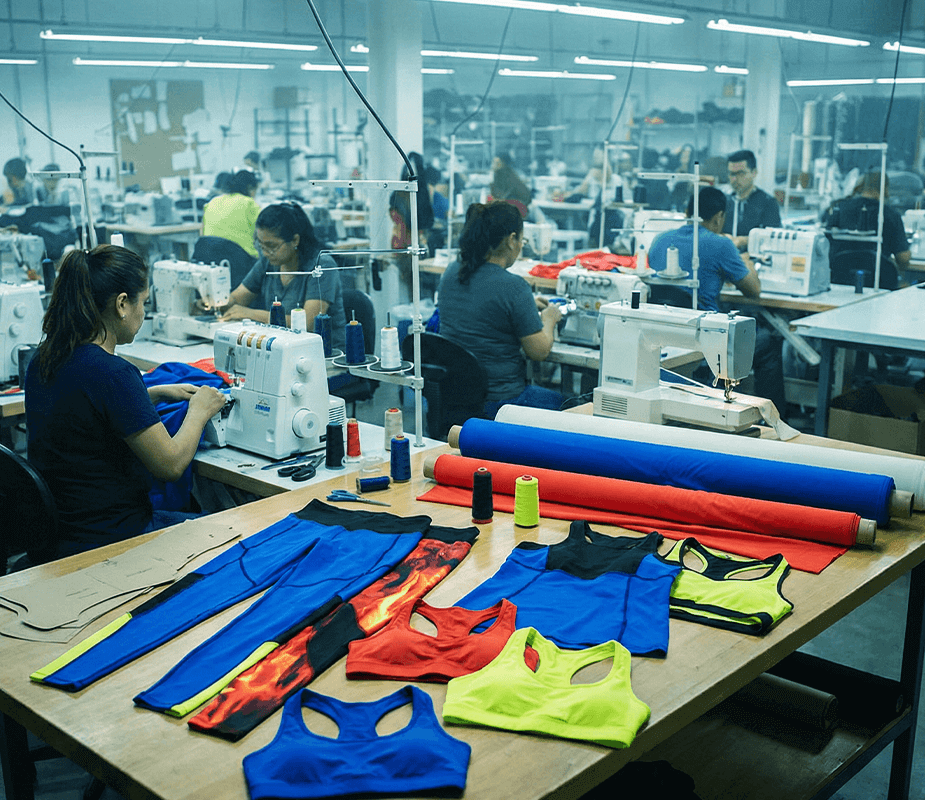
The journey of bringing a piece of high-performance running apparel from a mere concept sketch to a finished, retail-ready product is a multifaceted and highly complex process. It requires the seamless collaboration of fashion designers, textile engineers, pattern makers, and production managers. Each step of the supply chain must be meticulously managed to ensure that the final garment meets the exact technical specifications and aesthetic vision of the brand. This process involves navigating a labyrinth of decisions regarding fabric sourcing, fit prototyping, hardware selection, and ethical manufacturing compliance. It is a process that simply cannot be rushed or compromised if the goal is to produce elite-tier gear. Understanding the intricacies of this manufacturing journey is essential for any brand owner looking to launch or scale their activewear business successfully, as it empowers them to make informed decisions and build strong, communicative relationships with their production partners.
Sourcing the Right Raw Materials
The foundation of any exceptional garment lies in the raw materials used to construct it. Fabric sourcing is a critical phase where brand owners must evaluate hundreds of different textile samples to find the perfect combination of weight, hand-feel, stretch, and technical properties. This involves working closely with textile mills to source specialized yarns and blends that meet the specific requirements of the intended garment. For example, a lightweight summer running singlet will require a radically different fabric composition than a thermal winter running jacket. In addition to the primary fabrics, sourcing also encompasses all the necessary trims and hardware, such as reflective detailing tapes for nighttime visibility, low-profile zippers that won’t cause irritation, and durable elastic waistbands. The quality of these seemingly minor components can make or break the functionality and longevity of the entire garment, requiring a meticulous attention to detail during the sourcing phase.
Designing for Both Performance and Aesthetics
Modern running apparel must walk a very fine line; it must function flawlessly under extreme physical duress while simultaneously looking stylish and appealing to the fashion-conscious consumer. The days when athletes were willing to sacrifice aesthetics for performance are long gone. Today, activewear is heavily influenced by streetwear and high fashion, leading to the rise of the ‘athleisure’ trend. Designers must carefully consider color palettes, silhouette lines, and graphic placements to create garments that look just as good at the post-run coffee shop as they do on the marathon course. However, this aesthetic focus must never compromise the garment’s technical integrity. Seam placements must be strategically mapped to avoid high-friction areas on the body, and reflective elements must be integrated seamlessly into the design rather than looking like an afterthought. Balancing these dual priorities requires a deep understanding of both fashion trends and athletic biomechanics.
The Role of a Custom Running Apparel Manufacturer in Textile Innovation
The textile industry is experiencing a period of rapid technological advancement, and staying ahead of the curve is crucial for competitive activewear brands. An experienced Custom Running Apparel Manufacturer is constantly testing new weaves, exploring advanced dyeing techniques, and experimenting with innovative fiber blends to push the boundaries of what athletic clothing can achieve. For instance, manufacturers are now integrating microscopic cooling minerals directly into the yarn, which actively pull heat away from the body upon contact. Others are developing fabrics with inherent anti-odor properties by utilizing silver-ion technology or natural elements like activated charcoal to inhibit the growth of odor-causing bacteria. By partnering directly with a forward-thinking factory, brands gain exclusive access to these cutting-edge textile innovations before they hit the mass market. This allows them to offer unique, highly marketable features that differentiate their products from the competition, ultimately establishing the brand as a leader in athletic wear technology.
Sustainability in the Modern Athletic Wear Industry
As global awareness of environmental issues continues to rise, the athletic wear industry is facing increasing scrutiny regarding its ecological footprint. Traditionally, the production of synthetic fabrics has been heavily reliant on petroleum-based derivatives, contributing significantly to greenhouse gas emissions and non-biodegradable waste. Furthermore, the immense amount of water and harsh chemicals used in the textile dyeing process has historically led to severe water pollution in manufacturing regions. However, a profound shift is currently underway. Consumers are actively demanding more sustainable and ethically produced activewear, and brands are recognizing that environmental responsibility is no longer just a marketing gimmick, but a fundamental business imperative. This evolution towards sustainability is driving massive innovation in fabric development, manufacturing processes, and end-of-life garment recycling programs, completely reshaping the future of the running apparel industry.
Eco-Friendly Fabrics: Recycled Plastics and Bamboo
One of the most significant advancements in sustainable activewear is the widespread adoption of recycled synthetic fibers. Instead of extracting virgin crude oil to create polyester, manufacturers are now utilizing post-consumer plastic waste, primarily discarded water bottles and fishing nets recovered from the oceans. These plastics are cleaned, shredded, melted down, and extruded into high-quality yarns that boast the exact same performance characteristics—moisture-wicking, durability, and stretch—as virgin polyester, but with a drastically reduced environmental impact. In addition to recycled plastics, natural and semi-synthetic fibers like bamboo viscose and merino wool are gaining immense popularity. Bamboo is a highly renewable resource that grows rapidly without the need for harmful pesticides, and the resulting fabric is incredibly soft, naturally anti-bacterial, and excellent at regulating temperature. Merino wool, while traditionally associated with cold weather, has been engineered into ultra-fine, lightweight knits that offer unparalleled natural odor resistance and breathability for year-round running.
Partnering with a Custom Running Apparel Manufacturer for Sustainability
Transitioning a brand to a sustainable model requires more than just choosing the right fabrics; it requires an entire supply chain overhaul. This is where collaborating with an eco-conscious Custom Running Apparel Manufacturer allows brands to implement genuine, verifiable sustainable practices from start to finish. A responsible manufacturer will utilize closed-loop water systems in their dyeing facilities to prevent toxic runoff, and they will implement zero-waste cutting techniques to minimize fabric scraps on the production floor. Furthermore, they can provide brands with the necessary certifications—such as OEKO-TEX Standard 100 or the Global Recycled Standard (GRS)—to prove to consumers that the garments are free from harmful substances and are truly made from recycled materials. By working with a factory that prioritizes the planet as much as profits, brands can authentically market their products to the growing demographic of eco-conscious athletes, building a reputation built on integrity and environmental stewardship.
Ethical Manufacturing Practices and Fair Labor
Sustainability encompasses more than just environmental impact; it also deeply involves the ethical treatment of the human beings who physically craft the garments. The fast fashion industry has a notoriously dark history of exploiting labor in developing nations, utilizing sweatshops with unsafe working conditions, shockingly low wages, and grueling hours. However, the modern runner is increasingly concerned with the human cost of their gear. Ethical brands prioritize supply chain transparency, ensuring that every worker involved in the production process is treated with dignity, paid a living wage, and provided with a safe, healthy working environment. This involves conducting regular, independent audits of manufacturing facilities to ensure compliance with international labor standards, such as those set by the Fair Labor Association (FLA). Brands that champion fair labor practices not only contribute to global human rights but also foster a deeper, more meaningful connection with consumers who want their purchases to reflect their personal values.
Equipping Running Clubs and Professional Teams
While individual athletes form the core consumer base for activewear, running clubs, collegiate track teams, and professional marathon squads represent a massive and highly specialized segment of the market. Supplying apparel for a team is fundamentally different from selling direct-to-consumer. Teams require complete uniformity, highly specific branding applications, and gear that performs consistently across a wide variety of body types and athletic disciplines. From customized singlets for race day to matching warm-up tracksuits and weather-resistant training jackets, team gear plays a vital role in fostering a sense of community, identity, and professional pride. The logistical challenges of outfitting an entire team—managing vast size runs, tight delivery deadlines before a major competitive season, and exact color matching—require a streamlined, highly organized approach to manufacturing and distribution.
Fostering Team Spirit Through Unified Branding
The psychological impact of wearing unified team gear should never be underestimated. When a group of athletes steps onto the starting line wearing identical, high-quality custom apparel, it instantly creates a formidable visual presence and fosters a deep sense of camaraderie and shared purpose. It transforms a group of individual runners into a cohesive, intimidating unit. The design of team apparel must loudly and proudly display the club’s colors, logos, and sponsor graphics. This branding must be applied using advanced techniques like dye sublimation, which permanently infuses the ink into the fabric fibers, ensuring that the graphics will never crack, peel, or fade, regardless of how many times the garment is washed or exposed to harsh sunlight. This level of professional presentation not only boosts the morale of the athletes wearing the gear but also serves as a powerful marketing tool, attracting new members and securing valuable sponsorships for the club.
Selecting a Custom Running Apparel Manufacturer for Team Gear
Because the demands of team outfitting are so stringent, choosing the right production partner is absolutely critical. A specialized Custom Running Apparel Manufacturer understands the nuances of bulk orders and complex sizing matrixes. They have the capability to handle rapid turnarounds for last-minute roster additions and the technical expertise to ensure perfect color consistency across different fabric types—meaning the polyester racing singlet matches the nylon warm-up jacket perfectly. Furthermore, a top-tier factory will offer comprehensive online portals or dedicated account managers to streamline the ordering process, taking the administrative burden off the shoulders of the team coaches or club presidents. By utilizing the services of a dedicated facility, running clubs can guarantee that their athletes are equipped with gear that looks professional, performs flawlessly, and withstands the rigors of a grueling competitive season.
The Business of Activewear: Launching Your Own Brand
The global activewear market is booming, presenting an incredible opportunity for entrepreneurs, fitness influencers, and passionate runners to launch their own clothing brands. However, the barrier to entry is higher than ever. It is no longer sufficient to simply print a catchy slogan on a wholesale t-shirt; consumers demand proprietary designs, technical fabrics, and a compelling brand narrative. Launching a successful running apparel brand requires meticulous planning, a deep understanding of your target demographic, and a substantial investment in product development. It requires navigating the complex world of fashion merchandising, e-commerce logistics, and digital marketing. Most importantly, it requires building a robust, reliable supply chain that can scale alongside your business. Without a solid foundation in manufacturing and quality control, even the most brilliantly marketed brand will quickly crumble under the weight of customer returns and negative reviews caused by subpar products.
Identifying Your Unique Niche in the Market
Before sketching a single design or contacting a factory, aspiring brand owners must clearly define their niche within the crowded activewear landscape. Who exactly is your ideal customer? Are you targeting the ultra-marathon trail runner who needs rugged, weather-resistant gear with ample storage for hydration and nutrition? Or are you focusing on the urban recreational jogger who prioritizes sleek, minimalist aesthetics and high-visibility reflective elements for safe night running? Perhaps your niche is radically size-inclusive activewear, or highly specialized maternity running clothes. Identifying a specific, underserved segment of the market allows you to tailor your product development and marketing efforts with laser precision. By solving a unique problem or catering to a specific aesthetic that the major sporting goods giants are ignoring, you carve out a loyal community of early adopters who will champion your brand and provide the momentum needed for long-term sustainable growth.
Finding the Best Custom Running Apparel Manufacturer for Your Startup
For a startup, the most critical relationship you will build is with your production facility. It is imperative to realize that a professional Custom Running Apparel Manufacturer provides invaluable guidance through the tumultuous early stages of brand development. Startups often lack the technical expertise to translate their creative vision into a manufacturable reality, which is why a factory that offers comprehensive OEM (Original Equipment Manufacturer) or ODM (Original Design Manufacturer) services is a lifesaver. They can assist with everything from pattern grading and fabric sourcing to creating detailed Tech Packs. When vetting potential partners, startups must look for manufacturers that offer reasonable Minimum Order Quantities (MOQs), allowing the brand to test the market without committing to massive, financially crippling inventory levels. Clear communication, transparent pricing structures, and a proven track record of producing high-quality athletic wear are the hallmarks of a manufacturing partner that will help your startup thrive.
The Importance of Technical Packs (Tech Packs)
The bridge between a designer’s vision and the factory’s production line is a document known as a Technical Pack, or Tech Pack. This is essentially the architectural blueprint for a garment. A comprehensive Tech Pack includes detailed flat sketches, exact measurements and grading rules for every size, comprehensive bill of materials (BOM) listing every fabric and trim required, specific stitching instructions, and precise color pantone codes. Attempting to manufacture custom activewear without a meticulous Tech Pack is a recipe for absolute disaster, leading to endless rounds of incorrect samples, wasted capital, and immense frustration. The Tech Pack serves as the binding contract between the brand and the factory, ensuring that there is zero ambiguity regarding how the final product should look, feel, and function. Investing the time and resources to create professional Tech Packs is one of the most critical steps in the entire apparel development process.
Common Mistakes to Avoid When Sourcing Running Apparel
The journey of apparel production is fraught with potential pitfalls, especially for those new to the industry. The excitement of launching a new line can often lead to rushed decisions and overlooked details, resulting in costly mistakes that can severely damage a brand’s reputation and bottom line. Navigating the manufacturing process requires a healthy dose of pragmatism, patience, and a meticulous attention to detail. From the initial sampling phase to the final quality control inspection, there are numerous critical junctures where things can go awry. Understanding these common errors and proactively implementing strategies to mitigate them is essential for ensuring a smooth, profitable production run. By learning from the mistakes of others, brand owners can save themselves thousands of dollars and months of lost time, allowing them to focus on marketing and growing their business rather than constantly putting out manufacturing fires.
Ignoring the Crucial Prototyping Phase
One of the most catastrophic mistakes a brand can make is rushing into bulk production based on a single, unrefined prototype. The prototyping phase is arguably the most important step in the entire manufacturing process. It is the time to rigorously test the garment’s fit, functionality, and durability in real-world running conditions. A prototype must be worn by athletes of various body types, washed multiple times, and subjected to intense physical activity to identify any design flaws, such as chafing seams, sagging waistbands, or restrictive armholes. Before finalizing your contract with any Custom Running Apparel Manufacturer, always insist on multiple rounds of sampling. First, a fit sample to perfect the sizing, followed by a pre-production sample (PP sample) that uses the exact bulk fabrics and trims. Only when the PP sample is deemed absolutely flawless should the green light be given for mass production. Skipping this rigorous testing phase almost always results in a subpar final product.
Compromising on Fabric Quality for Cheaper Costs
In a bid to maximize profit margins, it is tempting for brand owners to select cheaper, lower-grade fabrics during the sourcing phase. However, in the realm of performance running apparel, this is a fatal error. Cheap synthetic fabrics are notorious for their poor moisture-management capabilities, meaning they will trap sweat and heat against the runner’s body, creating an incredibly uncomfortable and potentially dangerous microclimate. Furthermore, low-quality fabrics lack the durability required to withstand the rigors of athletic training; they will quickly pill, fade, and lose their elasticity after only a handful of washes. When an athlete purchases running gear, they view it as an investment in their performance and comfort. If a garment fails to deliver on these expectations, that customer will never return to the brand, and they will likely share their negative experience with their running community. Investing in premium fabrics is an investment in brand longevity and customer loyalty.
Underestimating Production Lead Times
The apparel manufacturing process is inherently time-consuming, involving a complex orchestration of fabric weaving, dyeing, cutting, sewing, and shipping. A common mistake made by new brand owners is wildly underestimating the lead times required to produce a bulk order. They often promise delivery dates to their customers or retail partners based on best-case scenarios, only to face severe backlash when the garments are inevitably delayed due to unforeseen supply chain bottlenecks, such as customs hold-ups, fabric shortages, or factory holidays. It is crucial to build significant buffer periods into your production calendar. A typical timeline, from the approval of the final pre-production sample to the delivery of the goods at your warehouse, can range anywhere from 60 to 120 days, depending on the complexity of the garments and the location of the factory. Realistic planning and transparent communication with your manufacturing partner are essential for managing inventory and meeting customer expectations.
The Exciting Future of Running Apparel
The intersection of technology and apparel is creating a thrilling new frontier for the activewear industry. We are rapidly moving away from passive garments that simply cover the body, and transitioning toward dynamic, intelligent clothing that actively interacts with the athlete and their environment. The future of running gear promises unprecedented levels of personalization, performance enhancement, and safety. Driven by relentless innovation in materials science and wearable technology, the running apparel of tomorrow will look and function in ways that we can barely imagine today. Brands that fail to keep pace with these rapid advancements will quickly find themselves rendered obsolete in a fiercely competitive market. The integration of technology into the very fibers of our clothing represents a monumental leap forward, fundamentally changing the relationship between the runner and their gear.
Smart Fabrics, Biometrics, and Wearable Tech
The most highly anticipated development in activewear is the seamless integration of biometric sensors directly into the fabric of the garment. ‘Smart fabrics’ are being engineered with conductive yarns that can monitor a runner’s heart rate, muscle activation, respiration rate, and even lactic acid buildup in real-time. This eliminates the need for bulky, uncomfortable chest straps or heavy smartwatches. The data collected by the clothing is transmitted wirelessly to a smartphone application, providing the athlete with incredibly granular insights into their training performance, allowing them to optimize their pacing, improve their form, and prevent overtraining injuries. Furthermore, researchers are exploring garments equipped with haptic feedback systems that provide gentle vibrations to alert a runner when their cadence drops or their posture deteriorates. This fusion of clothing and advanced data analytics will democratize elite-level sports science, making it accessible to everyday runners looking to maximize their potential.
3D Printing and Ultimate Personalization
The ultimate holy grail of apparel manufacturing is achieving a perfect, bespoke fit for every single customer without the exorbitant costs associated with traditional tailoring. 3D printing technology is poised to make this a reality. In the near future, runners will be able to perform a complete body scan using their smartphone camera, generating a highly precise 3D topographical map of their physique. This data will be sent directly to automated knitting machines or 3D fabric printers, which will construct the garment on-demand, customized to the exact millimeter of the wearer’s body. This level of hyper-personalization extends beyond just sizing; athletes will be able to digitally map specific zones of compression or ventilation based on their unique biomechanical needs and sweat patterns. This on-demand manufacturing model will also drastically reduce textile waste, as garments are only produced when a verified order is placed, marking a massive step forward for both performance and environmental sustainability.
Hyper-Targeted Climate Adaptation Clothing
As global weather patterns become increasingly unpredictable, runners need gear that can seamlessly adapt to rapidly changing environmental conditions. The future of activewear includes phase-change materials (PCMs) integrated into the fabric, which can proactively absorb, store, and release body heat to maintain a constant, optimal skin temperature, regardless of whether the athlete is running in freezing winds or blazing sunshine. Additionally, we are seeing the development of biomimetic fabrics inspired by nature, such as materials that automatically open microscopic ventilation pores when they detect increased humidity (sweat), and tightly seal themselves shut when the body cools down. These dynamic, environmentally responsive fabrics will allow runners to tackle the most extreme climates with confidence, knowing their gear will actively work to keep them safe, comfortable, and focused entirely on the road ahead.
Conclusion: Taking Your Activewear Brand to the Next Level
Navigating the complex and ever-evolving landscape of the performance activewear industry requires a potent combination of passion, technical knowledge, and strategic partnerships. The modern runner demands excellence, refusing to settle for gear that is anything less than exceptional in terms of comfort, durability, and technological innovation. Whether you are aiming to break a world record on the track, foster a sense of unshakeable unity within your local running club, or build the next globally recognized athleisure empire, the quality of your product is the ultimate foundation of your success. This is why aligning yourself with a world-class manufacturing partner is the most important business decision you will make. Ultimately, your Custom Running Apparel Manufacturer is your business partner in success, turning your ambitious visions into tangible, high-performance reality. By prioritizing premium materials, embracing sustainable practices, and relentlessly focusing on the needs of the athlete, you can create gear that truly inspires people to move. If you are ready to start your journey and bring your vision to life, feel free to contact us today to discuss how we can elevate your brand.