
The Rise of Personalized Fightwear: Why You Need a Custom MMA Shorts Factory
The world of mixed martial arts is a grueling, unforgiving arena where every detail matters. From the tape on a fighter’s hands to the specific drill executed in the final weeks of a training camp, precision is everything. This relentless pursuit of perfection extends directly to the apparel worn inside the cage. In recent years, the demand for highly specialized, personalized gear has skyrocketed. Gone are the days when athletes would simply grab a generic pair of board shorts off the rack and step onto the mats. Today, fighters, gym owners, and combat sports brands are actively seeking out a reliable Custom MMA Shorts Factory to produce high-performance, visually striking apparel that embodies their unique identity. This shift is not merely about aesthetics; it is fundamentally about performance, brand building, and creating a cohesive team spirit. When a fighter walks out under the bright lights, their gear is a statement to the world, a representation of their academy, their sponsors, and their personal journey. Partnering with a dedicated facility that understands the nuances of combat sports apparel is no longer a luxury; it is a critical component of success in the modern fight game.
The Evolution of Mixed Martial Arts Apparel
To truly appreciate the importance of modern fightwear, one must look back at the origins of the sport. In the early days of no-holds-barred competition, fighters wore whatever they felt comfortable in. You would see athletes stepping into the octagon wearing everything from traditional martial arts gis to tight wrestling singlets, speedos, and even heavy denim jeans. It was a chaotic clash of styles, both in combat techniques and fashion. However, as the sport evolved and cross-training became the norm, fighters quickly realized that traditional apparel was a liability. Gis provided too many grips for opponents, while generic athletic shorts restricted movement and were prone to tearing under the immense stress of grappling. The industry needed a solution, and thus began the evolution of the dedicated MMA short. Early iterations borrowed heavily from surfing board shorts, utilizing tough, non-stretch materials to resist tearing. While durable, they still lacked the necessary flexibility for high kicks and complex submissions. It took years of innovation, trial, and error to arrive at the sophisticated garments we see today. Modern shorts incorporate advanced synthetic blends, intricate paneling, and specialized closures designed specifically for the rigors of combat. This continuous evolution highlights the necessity of working with manufacturers who stay ahead of the curve and understand the biomechanical requirements of the sport.
As the sport gained mainstream popularity, the aesthetic aspect of fightwear began to carry as much weight as the functional side. Iconic fighters became recognizable not just for their fighting styles, but for the distinct look of their gear. Sponsors saw the value in branding these modern-day gladiators, and the real estate on a fighter’s shorts became highly sought after. This commercialization drove the need for better printing techniques that wouldn’t peel or fade after a single brutal training session. The transition from rudimentary screen printing to advanced dye sublimation changed the landscape entirely, allowing for full-color, edge-to-edge designs that became permanently infused into the fabric. Suddenly, there were no limits to what could be designed. This technological leap paved the way for gyms and independent brands to create professional-tier gear, leveling the playing field and allowing anyone to step into the cage looking like a champion. The journey from crude, makeshift clothing to highly engineered performance wear is a testament to the sport’s rapid growth and the continuous push for excellence in every facet of preparation.
Understanding the Needs of Modern Fighters
A modern mixed martial artist is a highly tuned athlete requiring gear that acts as a second skin rather than a hindrance. The physical demands of training multiple disciplines—striking, wrestling, and Brazilian Jiu-Jitsu—mean that their apparel must perform flawlessly under varying conditions. A striking session requires absolute freedom of movement for high kicks, knees, and rapid footwork. The shorts cannot catch on the knee or restrict the hips. Conversely, grappling sessions demand exceptional durability. The fabric must withstand relentless pulling, friction against the mats, and the abrasive nature of sweat and grit. Furthermore, safety is a paramount concern. Zippers, exposed laces, and hard plastic hardware are strictly prohibited in competition, as they pose a severe laceration risk to both the wearer and their opponent. A deep understanding of these specific, uncompromising needs is what separates a generic apparel manufacturer from a specialized facility dedicated to combat sports. Every seam, every cut, and every material choice must be scrutinized through the lens of functionality and safety.
Beyond the physical mechanics of the sport, comfort and hygiene play a crucial role in a fighter’s daily life. Training camps involve multiple sessions a day, often resulting in gear being drenched in sweat within minutes. Heavy, moisture-retaining fabrics become uncomfortable, cause severe chafing, and create an ideal breeding ground for bacteria and fungal infections like ringworm and staph—a constant menace in any grappling gym. Therefore, the incorporation of moisture-wicking and antimicrobial technologies is non-negotiable. The ideal short must draw sweat away from the body, dry rapidly, and resist the accumulation of odor-causing microbes. Additionally, the fit must be perfectly dialed in. A waistband that slips down during a scramble or rides up uncomfortably can break a fighter’s focus, and in a sport where split-second decisions dictate victory or defeat, any distraction is a critical flaw. Understanding these multifaceted needs requires intimate knowledge of the daily grind a fighter endures, a perspective that informs every stage of the design and manufacturing process.
![Performance Under Pressure: Working with a Custom MMA Shorts Factory]()
What Sets a Premium Custom MMA Shorts Factory Apart?
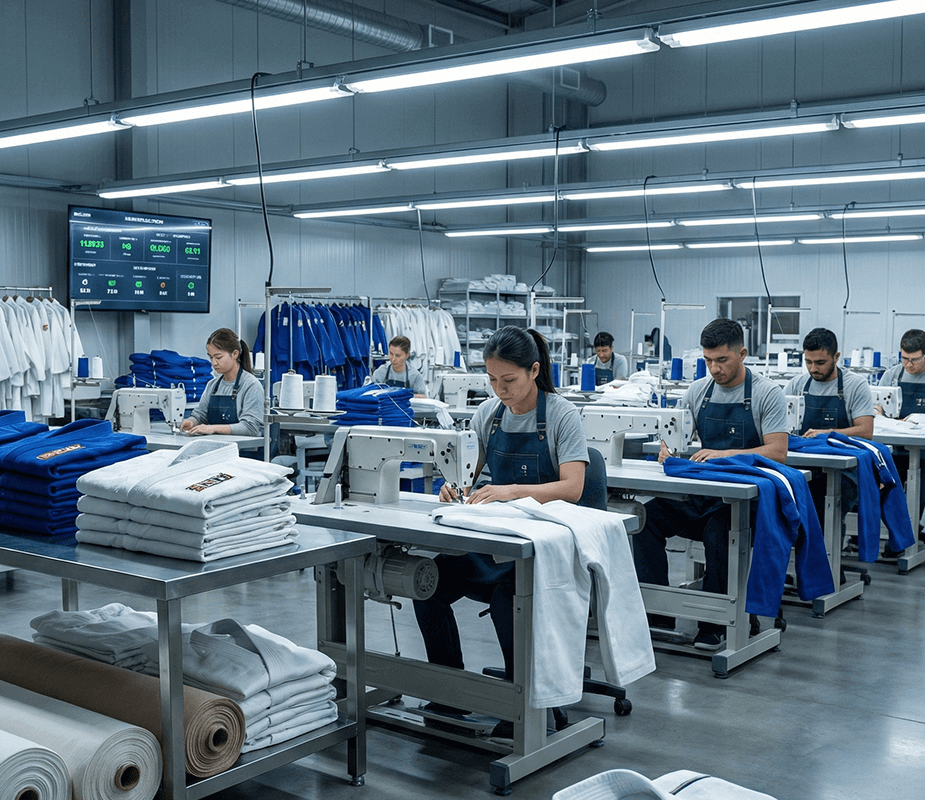
When embarking on the journey to create your own line of fightwear, the market can seem saturated with manufacturers promising the world. However, not all facilities are created equal. A truly premium manufacturing partner distinguishes itself through a relentless commitment to quality, a deep understanding of combat sports engineering, and transparent communication. It is not simply about owning sewing machines and sublimation printers; it is about the expertise to utilize these tools to create garments that can survive the toughest conditions on earth. A premier facility invests heavily in research and development, constantly sourcing new materials and testing innovative construction methods. They employ skilled artisans who understand the critical importance of reinforced stress points and stretch panels. Furthermore, a top-tier manufacturer acts as a collaborative partner rather than a mere vendor. They guide you through the complexities of design, sizing, and material selection, ensuring that your vision is translated into a flawless physical product. Choosing the right partner is the most consequential decision you will make in your brand’s development.
Advanced Fabric Technologies and Materials
The foundation of any exceptional combat garment lies in the materials chosen for its construction. A reputable Custom MMA Shorts Factory will offer a diverse catalog of high-performance fabrics, each tailored to specific functional requirements. The industry standard for MMA shorts is a robust, four-way stretch polyester/spandex blend. This fabric offers the ideal combination of tensile strength and elasticity, allowing for an unrestricted range of motion while retaining its shape even after intense grappling exchanges. Unlike traditional woven fabrics that only stretch in two directions, four-way stretch materials move dynamically with the athlete’s body, eliminating the restrictive binding that can hamper performance. In addition to the primary body fabric, specialized materials are utilized in key areas. For instance, the crotch gusset—a critical component for flexibility—is often constructed from an even higher-percentage spandex blend or a localized stretch mesh to maximize mobility and ventilation. The thoughtful integration of these varying materials demonstrates a sophisticated approach to garment engineering.
Beyond stretch and durability, the tactile qualities of the fabric are equally important. Premium materials undergo specialized finishing processes to enhance their performance characteristics. Moisture-wicking treatments are applied to draw perspiration away from the skin and disperse it across the surface of the fabric for rapid evaporation, keeping the athlete cool and dry. Antimicrobial coatings are infused into the fibers to inhibit the growth of bacteria, mitigating odors and protecting against skin infections. Some advanced fabrics even incorporate DWR (Durable Water Repellent) finishes to prevent the shorts from becoming heavy and waterlogged with sweat. The interior of the fabric is often brushed or treated to ensure a smooth, chafe-free experience against the skin. Even the materials used for the waistband are highly specialized. Silicone grip strips are frequently integrated into the inner waistband to prevent the shorts from shifting during intense activity. Every single material component, from the core fabric to the specialized trims, is deliberately selected to optimize athletic performance and longevity.
Precision Stitching and Durability Requirements
In the realm of combat sports, a garment is only as strong as its weakest seam. The incredible forces exerted during grappling, takedowns, and submissions demand construction techniques far beyond standard apparel manufacturing. A high-quality facility employs rigorous stitching standards to ensure their products do not fail when it matters most. Flatlock stitching is widely utilized for its low-profile nature, reducing chafing and creating a smooth, comfortable interior. However, for the primary structural seams—particularly the inseam, the outer leg, and the crotch gusset—heavy-duty double or triple reinforced stitching is absolutely mandatory. These high-stress areas bear the brunt of explosive movements and relentless friction, and failure here is not an option. The type of thread used is also critical; high-tensile polyester or nylon threads are selected for their incredible strength and resistance to snapping under sudden tension. The meticulous attention paid to stitching architecture separates professional-grade gear from amateur imitations.
Durability extends beyond just the seams; it encompasses the structural integrity of the entire garment. The side slits, essential for high kicks and hip mobility, are notorious weak points that require special reinforcement. Premium manufacturers utilize bartack stitching—a series of tightly grouped, reinforced stitches—at the apex of the side slits to prevent the fabric from tearing under extreme stress. The waistband closure system is another area demanding bulletproof construction. The combination of an internal drawstring and a heavy-duty hook-and-loop (Velcro) closure must withstand constant adjustments and intense pressure without degrading. The Velcro itself must be of the highest grade, ensuring a secure lock that will not pop open during a scramble. Furthermore, all hardware, such as the eyelets for the drawstring, must be constructed from non-abrasive materials and securely anchored to prevent them from tearing out of the fabric. The commitment to durability is a labor-intensive process that requires highly skilled operators and meticulous quality control protocols.
Sublimation Printing vs. Traditional Methods
When it comes to customizing combat sports apparel, dye sublimation has revolutionized the industry, entirely eclipsing older methods like screen printing or heat transfers. Sublimation is a process where heat and pressure are used to convert specialized inks directly into a gas, which then permeates and bonds with the synthetic fibers of the fabric at a molecular level. Unlike screen printing, which lays a thick layer of ink on top of the fabric, sublimated designs become an integral part of the material itself. This distinction is crucial for MMA shorts. Traditional prints are prone to cracking, peeling, and fading after enduring the immense friction of the mats and repeated heavy-duty washing. Furthermore, thick layers of ink can inhibit the breathability and stretch of the fabric, creating stiff, uncomfortable areas on the garment. Sublimation, on the other hand, preserves the natural flexibility, breathability, and weight of the fabric, ensuring uncompromised performance while delivering vibrant, permanent graphics. For anyone looking to produce professional, retail-ready fightwear, ensuring your Custom MMA Shorts Factory utilizes state-of-the-art sublimation technology is an absolute necessity.
The creative possibilities unlocked by dye sublimation are virtually limitless. Because the process is digital, designers can utilize highly complex, photographic-quality imagery, intricate gradients, and an infinite spectrum of colors without incurring the massive setup costs associated with multi-color screen printing. This allows for edge-to-edge designs that flow seamlessly across the entire garment. Gyms can faithfully reproduce their complex crests, sponsors can mandate exact Pantone color matching for their logos, and athletes can express their individuality with incredibly detailed custom artwork. The vibrancy of sublimated colors is unparalleled, and because the ink is infused into the fabric, the design will never wash out or degrade, remaining as bold and sharp as the day it was manufactured.
![Performance Under Pressure: Working with a Custom MMA Shorts Factory]()
The Design Process at a Leading Custom MMA Shorts Factory
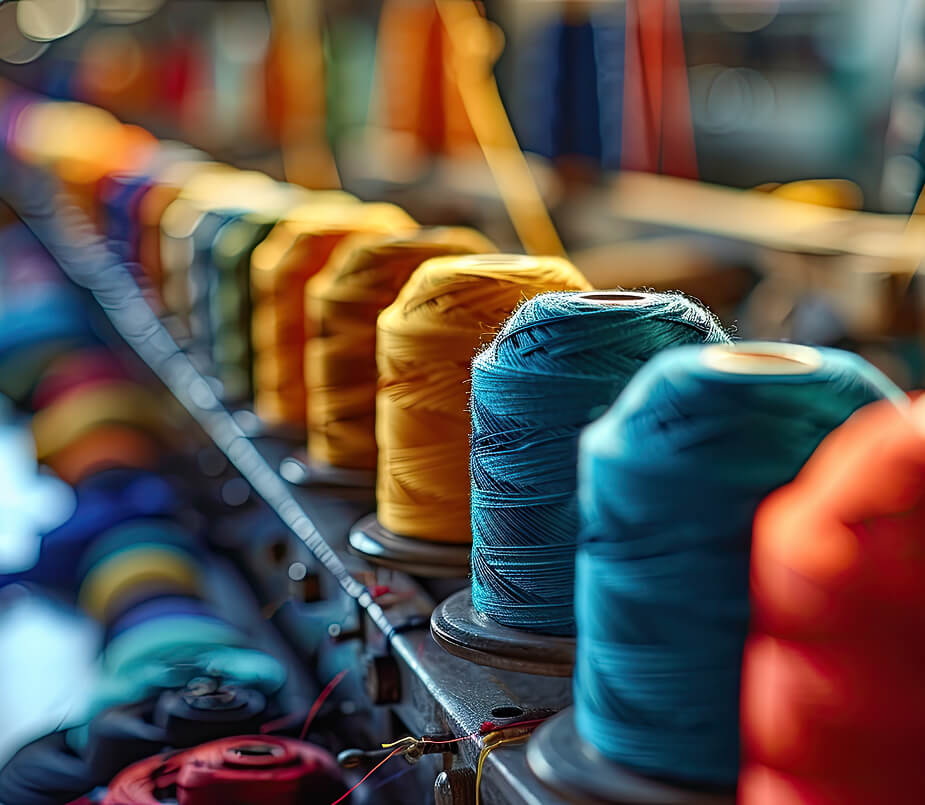
The journey from a rough concept to a finished, physical product is a collaborative and highly detailed process. A top-tier manufacturing facility does not simply ask for a logo and pump out generic shorts; they engage in a comprehensive design consultation to ensure the final product perfectly aligns with your vision and brand identity. This process begins with understanding the core ethos of your brand or academy. Are you looking for a clean, minimalist aesthetic that exudes quiet professionalism, or a bold, aggressive design that commands attention? The design team will work closely with you to review your existing assets, such as logos, typography, and color palettes, and begin drafting initial concepts. This stage often involves sophisticated 3D rendering software, allowing you to visualize exactly how the design will wrap around the contours of the body, how the side slits will interact with the graphics, and how the waistband will integrate into the overall look. This meticulous planning is essential for creating a cohesive and impactful design.
Conceptualizing Your Brand Identity
Your apparel is a walking billboard for your brand, and conceptualizing its identity requires careful thought and strategic planning. Whether you are outfitting a local fight team or launching a global retail line, your gear must tell a story. A skilled Custom MMA Shorts Factory will help you refine this narrative. For gyms, the focus is often on fostering a sense of unity and pride among the members. The design might incorporate the academy’s core colors, its foundational crest, and perhaps subtle nods to its lineage or local geography. For retail brands, the conceptualization phase might involve trend forecasting, identifying a unique niche in the market, and developing a distinctive visual language that sets the brand apart from competitors. This involves exploring various aesthetic directions, from retro-inspired graphics to hyper-modern, technical designs. The goal is to create a visual identity that resonates profoundly with your target audience and instantly communicates the quality and attitude of your brand.
A crucial element of conceptualizing your brand identity is understanding how the design will scale and adapt across different products. While the focus might currently be on shorts, a strong brand identity should seamlessly translate to rash guards, spats, t-shirts, and equipment. The design team will ensure that the core visual elements—the logo placement, the primary color blocking, and the typographic hierarchy—are versatile enough to form the foundation of a comprehensive apparel collection. This forward-thinking approach prevents disjointed product lines and ensures that as your brand grows, your visual identity remains consistent and powerful. They will also assist in developing detailed tech packs, which serve as the blueprints for production, meticulously detailing every dimension, material specification, and color code to guarantee absolute consistency across every batch manufactured.
Navigating Color Schemes and Typography
Color psychology and typographic selection are incredibly powerful tools in apparel design, particularly in combat sports where visual impact is paramount. The right color scheme can evoke feelings of aggression, focus, tradition, or elite performance. Deep, rich blacks and grays often convey a sense of tactical seriousness, while bright neon accents can project high energy and modern flair. Navigating these choices requires an understanding of contrast, visibility, and brand consistency. Furthermore, color matching in apparel production is a complex science. A premier manufacturer utilizes standardized color matching systems, such as Pantone, to ensure that the colors approved on a digital screen translate perfectly to the sublimated fabric. This meticulous attention to detail is vital for maintaining brand integrity, especially when reproducing corporate sponsor logos that require absolute color fidelity.
Typography is equally critical, serving both aesthetic and functional purposes. The fonts chosen for fighter names, gym affiliations, or motivational slogans must be legible even in the chaotic blur of a fight, while still aligning with the brand’s overall vibe. A traditional martial arts academy might opt for clean, classic serif fonts or custom calligraphy, whereas a modern, edgy brand might utilize aggressive, distressed, or futuristic sans-serif typefaces. The placement and scaling of typography are also carefully considered. A well-designed short balances large, impactful text with subtle, secondary typographic elements, creating a dynamic and visually engaging composition. The design team will guide you through these intricate decisions, ensuring that the interplay between color, typography, and graphic elements results in a harmonious and striking final product that commands respect.
The Importance of Fit, Cut, and Mobility
A stunning design is utterly useless if the garment does not fit perfectly and perform flawlessly. The cut and fit of an MMA short are arguably its most critical attributes. There are generally two primary styles in modern fightwear: the traditional board-style short, which sits slightly lower on the waist and falls just above the knee, and the vale tudo or compression short, which provides a tight, second-skin fit. Even within the board-style category, there are significant variations in the cut. Some fighters prefer a wider, looser leg for maximum airflow, while others opt for a more tailored, athletic cut that minimizes excess fabric that an opponent could grab. A dedicated manufacturer understands the subtle biomechanics of these different cuts and will offer a range of patterns to suit your specific requirements. The height and angle of the side slits, the depth of the crotch gusset, and the rise of the waistband are all meticulously calculated to maximize mobility without compromising coverage.
The development of a perfect fit often involves extensive prototyping and real-world testing. Patterns are drafted, prototypes are cut and sewn, and these garments are then rigorously tested by active fighters on the mats. This feedback loop is essential for identifying areas of restriction, chafing, or discomfort. Adjustments are made to the patterns, sometimes by mere millimeters, until an optimal fit is achieved. Sizing consistency is another major challenge that premium manufacturers have mastered. Developing accurate, graded sizing charts that accommodate the diverse body types of athletes—from lithe flyweights to massive heavyweights—requires deep expertise in apparel engineering. When a customer orders a medium, it must fit exactly like the medium they ordered previously. This unwavering consistency builds trust and loyalty, assuring athletes that their gear will perform reliably every single time they step into the gym.
Benefits of Partnering with an Experienced Custom MMA Shorts Factory
Choosing to work directly with a specialized manufacturing facility offers a multitude of strategic advantages that simply cannot be matched by utilizing middle-men or generic custom apparel websites. First and foremost is the unprecedented level of control you gain over the final product. You are not limited to pre-selected templates or restricted color palettes; every single aspect of the garment, from the base fabric to the thread color, is entirely customizable. This total creative freedom allows you to produce gear that is completely unique and perfectly tailored to your exact specifications. Furthermore, working directly with the source significantly reduces lead times and costs by eliminating the markups associated with third-party distributors. You establish a direct line of communication with the production team, ensuring that your instructions are understood clearly and that any potential issues are addressed immediately. This direct relationship fosters a deep level of collaboration and accountability, resulting in a superior product and a more efficient process.
Bulk Ordering for Gyms and Academies
For gym owners and academy head coaches, outfitting an entire student base can be a logistical and financial nightmare. This is where the true power of a dedicated Custom MMA Shorts Factory becomes evident. By placing bulk orders directly, gyms unlock significant economies of scale, drastically reducing the cost per unit. This allows academies to provide premium, professional-grade gear to their students at an accessible price point, while simultaneously generating a lucrative revenue stream for the business. Branded gym apparel is an incredibly powerful marketing tool; every student wearing your gear outside the gym acts as a walking advertisement, building brand recognition and fostering a profound sense of community and team loyalty. The ability to place large, consolidated orders ensures that everyone from the beginner’s class to the elite competition team is unified under a single, professional banner.
Managing bulk orders requires a manufacturer equipped to handle complex logistics efficiently. A reputable facility will offer streamlined processes for managing rosters, organizing varying sizes, and tracking individual customization options, such as printing a student’s name or rank on their shorts. They understand the importance of reliable delivery schedules, ensuring that the gear arrives in time for major competitions or academy grading ceremonies. Moreover, establishing a long-term relationship with a manufacturer simplifies the process of reordering. Once your initial designs and tech packs are finalized and stored on file, replenishing your gym’s inventory or outfitting new members becomes a seamless, effortless process. The peace of mind that comes from knowing you have a reliable partner capable of fulfilling massive orders with absolute consistency allows gym owners to focus on what they do best: teaching and building their academy.
Sponsoring Professional Fighters
Sponsoring professional fighters is a high-stakes endeavor that requires apparel to perform flawlessly on the world’s biggest stages. When an athlete enters the cage in a major promotion, millions of eyes are scrutinizing every detail, and apparel failure is simply not an option. A premium manufacturer understands the immense pressure of these situations and treats professional fightwear with the utmost seriousness. They offer rapid prototyping and expedited production schedules to accommodate the unpredictable nature of fight camps, where sponsors may change or weight classes may shift at the last minute. Furthermore, they are intimately familiar with the strict uniform guidelines and compliance regulations enforced by major athletic commissions and promotions. They ensure that all logos meet size requirements, that no prohibited materials are used, and that the shorts will easily pass pre-fight inspections.
The impact of seeing your custom-designed gear showcased on a globally broadcasted event is immeasurable. It instantly elevates your brand’s credibility and positions you as a serious player in the combat sports industry. A skilled manufacturer will work tirelessly to ensure that the sublimated colors pop under the arena lighting and that the fit enhances the athlete’s physique and performance. They understand that the fighter’s comfort and confidence are paramount, and they engineer the gear to eliminate any potential distractions. By providing athletes with elite-level apparel that looks and feels incredible, you build strong, lasting relationships within the professional fighting community, opening doors to further sponsorships and invaluable brand exposure.
Building a Unique Retail Brand
The combat sports apparel market is fiercely competitive, dominated by massive, established brands. For an independent brand to survive and thrive, it must offer something exceptional. Partnering with an expert manufacturing facility provides the foundation necessary to build a highly successful retail operation. It empowers you to break free from generic, off-the-shelf blanks and create bespoke, high-quality products that rival the biggest names in the industry. You have the freedom to experiment with innovative fabric blends, unique cut patterns, and bold, uncompromising designs that resonate with your specific target demographic. This ability to innovate and differentiate is the lifeblood of a successful retail brand. By delivering consistently superior products, you cultivate a fiercely loyal customer base that recognizes and values the meticulous craftsmanship behind your gear.
Beyond the physical product, a strong manufacturing partner assists in the critical logistical aspects of running a retail brand. They offer flexible production capabilities, allowing you to scale your inventory responsibly. They can accommodate smaller minimum order quantities for limited edition drops or experimental designs, mitigating the financial risk of launching a new brand. Furthermore, they provide essential services such as custom labeling, polybag packaging, and hangtag application, ensuring that your products arrive retail-ready and present a highly professional image to your customers. This comprehensive support allows entrepreneurs to focus their energy on marketing, brand building, and customer acquisition, confident in the knowledge that their supply chain is robust, reliable, and capable of delivering excellence.
How to Choose the Right Manufacturing Partner
Navigating the vast landscape of apparel manufacturers can be a daunting task, fraught with potential pitfalls. Making the wrong choice can result in massive financial losses, severely delayed timelines, and products that irreparably damage your brand’s reputation. It is imperative to conduct exhaustive due diligence before committing to a manufacturing partner. The first step is to thoroughly vet their experience specifically within the combat sports sector. Making standard t-shirts is vastly different from engineering high-performance MMA shorts. Request detailed portfolios of their previous work, ask for physical samples to evaluate the fabric quality and stitching firsthand, and seek out client testimonials. A transparent manufacturer will proudly showcase their capabilities and be eager to prove their expertise. Communication is another critical factor. The manufacturing process is inherently complex and requires constant, clear dialogue. If a manufacturer is unresponsive, evasive, or struggles to understand your specific requirements during the initial consultation phase, it is a massive red flag indicating profound issues down the line.
Assessing Quality Control and Prototyping
Rigorous quality control is the bedrock of a reputable Custom MMA Shorts Factory. You must clearly understand their internal processes for ensuring consistency and catching defects before products are shipped. Do they have dedicated quality control inspectors? What are their tolerances for sizing discrepancies? How do they handle errors in sublimation or stitching? A professional facility will have documented, standardized procedures for every stage of production. The prototyping phase is your opportunity to test these capabilities firsthand. Insist on a fully finished physical sample—not just a digital mockup—before approving bulk production. This sample must be heavily scrutinized. Wear it during a rigorous training session, wash it repeatedly, and aggressively test the seams. This prototype serves as the absolute benchmark for your bulk order. If the sample does not meet your exacting standards, do not proceed until the issues are completely resolved. The prototyping phase is an investment in perfection and the most crucial step in mitigating manufacturing risks.
The prototyping process also reveals a manufacturer’s technical proficiency and willingness to collaborate. A skilled team will welcome your feedback and provide expert suggestions on how to improve the garment’s construction or refine the design. They will explain the technical reasoning behind certain decisions, demonstrating their deep understanding of apparel engineering. Conversely, a manufacturer that pushes back against reasonable modifications or produces a prototype that drastically deviates from the agreed-upon tech pack lacks the necessary precision and dedication. The quality of the prototype and the professionalism of the communication during this phase are the strongest indicators of the final product’s ultimate quality.
Evaluating Minimum Order Quantities (MOQs)
Minimum Order Quantities (MOQs) dictate the smallest number of units a manufacturer is willing to produce in a single run. This is a critical factor, particularly for new brands or smaller academies operating with limited capital. Massive overseas factories often demand astronomical MOQs, requiring you to purchase hundreds or thousands of units upfront. While this drives down the per-unit cost, it requires a massive initial investment and carries the significant risk of sitting on unsold inventory. A partner tuned into the needs of the modern combat sports market will offer flexible, manageable MOQs. They understand that brands need to test the waters, release limited edition colorways, and scale their business organically. Finding a manufacturer that balances reasonable MOQs with highly competitive pricing is essential for maintaining healthy cash flow and sustainable growth.
It is also important to understand how MOQs are structured. Some factories require the MOQ to be met with a single design and a single size, while others are more flexible, allowing you to split the MOQ across various sizes or even minor design variations. Clarifying these terms upfront prevents unexpected financial burdens later in the process. Furthermore, as your relationship with the manufacturer matures and your volume increases, you should expect your MOQs to become more favorable. A true partnership is built on mutual growth, and a supportive manufacturer will work with you to find production scales that align with your business objectives at every stage of your development.
Understanding Turnaround Times and Shipping Logistics
In the fast-paced world of retail and competitive sports, timing is everything. Missed deadlines can ruin product launches, jeopardize sponsorships, and severely damage customer trust. When evaluating a Custom MMA Shorts Factory, you must establish clear, binding expectations regarding turnaround times. How long does the prototyping phase take? What is the standard production time for a bulk order once the sample is approved? It is crucial to build buffer periods into your planning, as unforeseen delays—such as raw material shortages or shipping bottlenecks—can occur. A reliable manufacturer will provide realistic timelines and proactively communicate any potential delays long before they become critical crises. Transparency in scheduling is a hallmark of operational excellence.
Shipping logistics are the final, critical hurdle. If your manufacturing partner is located overseas, you must account for international freight times, complex customs clearance procedures, and import duties. These factors can significantly impact both your timeline and your bottom line. An experienced manufacturer will have established relationships with reliable global logistics providers and will assist you in navigating the complexities of international shipping. They will ensure that all commercial invoices and customs documentation are perfectly accurate, minimizing the risk of your shipment being delayed at the border. Understanding the complete, door-to-door timeline and total landed costs is essential for accurate business planning and maintaining a seamless supply chain.
The Future of Fightwear Manufacturing
The combat sports apparel industry is currently undergoing a period of rapid and profound technological advancement. The future of fightwear manufacturing is centered around hyper-personalization, intelligent materials, and a growing emphasis on sustainability. We are moving towards an era where garments are not merely passive coverings, but active contributors to an athlete’s performance and recovery. Advancements in 3D body scanning technology will soon allow for truly bespoke garments tailored to the exact microscopic contours of an individual fighter’s physique, completely eliminating sizing inconsistencies and maximizing ergonomic efficiency. Furthermore, the integration of smart textiles—fabrics embedded with microscopic sensors capable of tracking biometric data such as muscle fatigue, hydration levels, and biomechanical output—is on the horizon. These innovations will fundamentally alter how fighters train and how coaches analyze performance. To remain relevant, brands must align themselves with forward-thinking manufacturing facilities that are actively investing in these cutting-edge technologies.
Sustainable Materials in Combat Sports
As global awareness of environmental issues intensifies, the apparel industry is facing immense pressure to adopt sustainable practices. The combat sports sector, historically reliant on heavily processed synthetic petroleum-based materials, is slowly beginning to adapt. The future demands high-performance gear that does not compromise the planet. Leading manufacturers are pioneering the use of recycled polyesters derived from reclaimed ocean plastics and discarded water bottles. These sustainable alternatives have evolved to match, and in some cases exceed, the tensile strength and moisture-wicking capabilities of virgin synthetics. Additionally, the shift towards eco-friendly, water-based sublimation inks drastically reduces the release of harmful volatile organic compounds (VOCs) into the atmosphere. Brands that embrace these sustainable materials and actively promote their eco-conscious manufacturing processes will resonate strongly with a growing demographic of environmentally aware consumers, gaining a significant competitive advantage in the marketplace.
Technological Integrations in Training Gear
The line between apparel and technology is blurring rapidly. We are seeing the early stages of this with compression wear designed to enhance venous return and accelerate recovery, but the next generation of gear will be far more active. Imagine MMA shorts engineered with dynamic compression zones that adjust tension based on the athlete’s movements, providing targeted support to critical muscle groups precisely when needed. Consider fabrics woven with thermo-regulating microcapsules that actively absorb, store, and release body heat to maintain an optimal core temperature during grueling championship rounds. While these concepts seem like science fiction, the research and development are well underway. A visionary Custom MMA Shorts Factory is already exploring these frontiers, collaborating with material scientists and biomechanical engineers to bring these revolutionary concepts to the mats. Staying ahead of these technological integrations is paramount for any brand aspiring to equip the elite athletes of tomorrow.
Elevate Your Brand with Omni Custm
The path to creating elite combat sports apparel is complex, demanding absolute precision, deep technical expertise, and unwavering dedication to quality. You cannot afford to compromise on the gear that represents your hard-earned brand or protects your athletes in the heat of battle. You need a partner who understands the visceral reality of the sport and possesses the manufacturing prowess to translate your vision into a world-class physical product. As your chosen Custom MMA Shorts Factory, Omni Custm excels in delivering exactly this. We are not just a manufacturer; we are your dedicated partners in building a dominant apparel brand. Our facility utilizes state-of-the-art sublimation technology, premium performance fabrics, and rigorous quality control protocols to ensure every single garment we produce meets the exact standards of professional competition.
Taking the Next Step in Your Journey
Whether you are outfitting a sprawling network of academies, preparing a professional fighter for a world title bout, or launching the next massive retail lifestyle brand, your success hinges on the quality of your product. Do not settle for generic blanks or unreliable vendors when you can partner with a premier Custom MMA Shorts Factory. It is time to take control of your brand’s destiny and produce gear that demands respect. We invite you to experience the difference that true expertise and passionate craftsmanship make. To discuss your project, explore our extensive material options, and begin the design process for your ultimate combat apparel, contact us today. Let us build something extraordinary together.