
The fitness apparel industry is currently experiencing an unprecedented boom, driven by a global shift toward health, wellness, and active lifestyles. Whether you are an aspiring entrepreneur with a groundbreaking vision for the next major athleisure brand or an established retail company looking to scale your existing activewear line, the foundation of your long-term success lies fundamentally in the quality and performance of your products. Finding the right manufacturing partner is not merely a logistical stepping stone; it is the critical pivot upon which your entire business model, brand reputation, and profit margins rest. Collaborating with a specialized Custom Gym Wear Factory allows you to transform your rough sketches, innovative concepts, and raw ideas into tangible, high-performance garments that deeply resonate with modern, discerning fitness enthusiasts. In today’s highly competitive e-commerce and retail market, generic, off-the-rack clothing simply will not cut it. Consumers demand elite performance, maximum durability, cutting-edge style, and a perfect, flattering fit. By working directly with a dedicated Custom Gym Wear Factory, you unlock an expansive world of possibilities—ranging from advanced moisture-wicking fabrics and sustainable textiles to bespoke branding options that elevate your brand identity above the noise. This comprehensive, exhaustive guide will walk you through every nuance of fitness apparel production, exploring the intricacies of the manufacturing process, the science behind fabric technologies, stringent quality control standards, and the immense strategic advantages of forging a strong, lasting relationship with a premium apparel manufacturer.
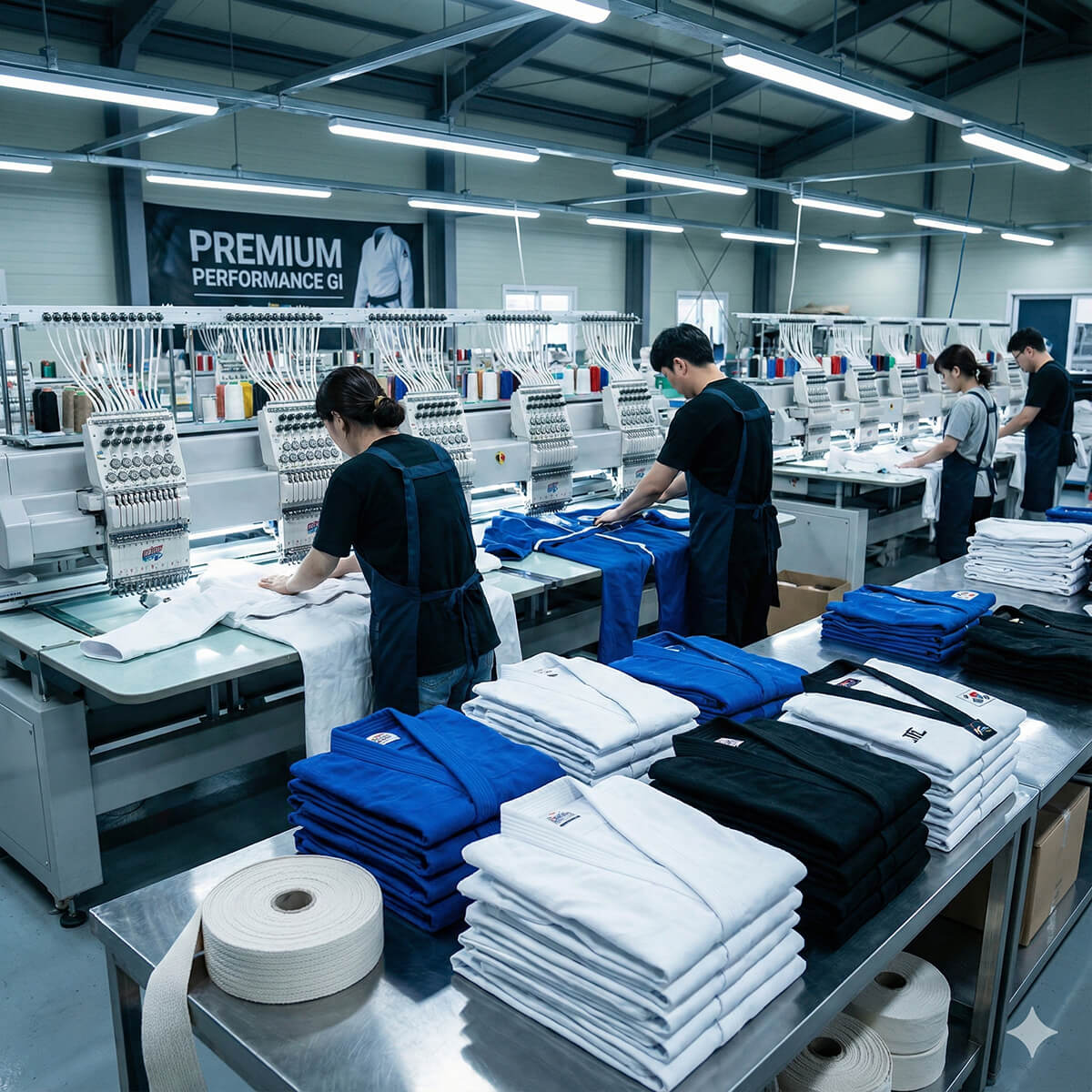
Why Partnering with a Custom Gym Wear Factory is a Game Changer for Fitness Brands
When you attempt to build a reputable fitness brand, the quality of your apparel speaks volumes about your company’s core values. Partnering with a specialized facility rather than a generic clothing producer provides a massive competitive advantage, enabling you to deliver exactly what your target demographic craves without compromising on technical details.
The Evolution of the Fitness Apparel Industry
Over the past decade, the landscape of fitness apparel has undergone a dramatic and irreversible transformation. Gone are the days when baggy cotton t-shirts and generic, unbranded sweatpants were the acceptable standard uniform for gym-goers and athletes. Today, activewear represents a highly specialized, multi-billion-dollar segment of the global fashion industry, seamlessly blending cutting-edge textile engineering with high-end streetwear aesthetics. This rapid evolution has been largely driven by a massive cultural shift towards athleisure—clothing meticulously designed for workouts and other athletic activities but frequently worn in casual, everyday settings, from coffee shops to grocery stores. As the boundaries between gym wear and daily wear continue to blur, the expectations placed on activewear have skyrocketed exponentially. Brands are now strictly required to deliver garments that provide superior anatomical support, exceptional breathability, and highly flattering silhouettes, all while standing up to the rigorous, repetitive demands of intense physical training like CrossFit, powerlifting, or high-intensity interval training (HIIT). To meet these consistently elevated consumer expectations, forward-thinking brands must move away from generic wholesale blank suppliers and instead actively engage with specialized manufacturing partners capable of producing highly tailored, purpose-built garments that offer genuine athletic utility.
What Sets a True Custom Gym Wear Factory Apart?
It is a common misconception that all apparel manufacturers are created equal. While thousands of overseas and domestic factories claim to produce activewear, a true Custom Gym Wear Factory possesses highly specialized machinery, rigorously trained technicians, and an intimate, scientific understanding of performance textiles. Unlike standard, run-of-the-mill clothing manufacturers that might produce everything from heavy denim jeans to delicate formal wear, a dedicated gym wear facility focuses exclusively on the unique and demanding challenges of athletic apparel. This specialization includes expertly handling high-stretch fabrics like spandex, elastane, and Lycra blends without causing puckering, uneven tension, or distortion during the sewing process. It also involves utilizing advanced stitching techniques, such as robust flatlock stitching, which is absolutely essential for minimizing chafing during repetitive, high-friction movements. Furthermore, a top-tier manufacturer will have established, reliable supply chains for specialized, high-performance trims, such as waterproof zippers, reflective heat transfers for night visibility, and custom-molded silicone drawcord tips. By partnering with a factory that specializes deeply in this niche, you ensure that your products are crafted by seasoned experts who inherently understand the intricate, delicate balance between muscular compression, unrestricted mobility, and modern aesthetics.
![Building Your Brand with a Trusted Custom Gym Wear Factory]()
Understanding the Comprehensive Manufacturing Process
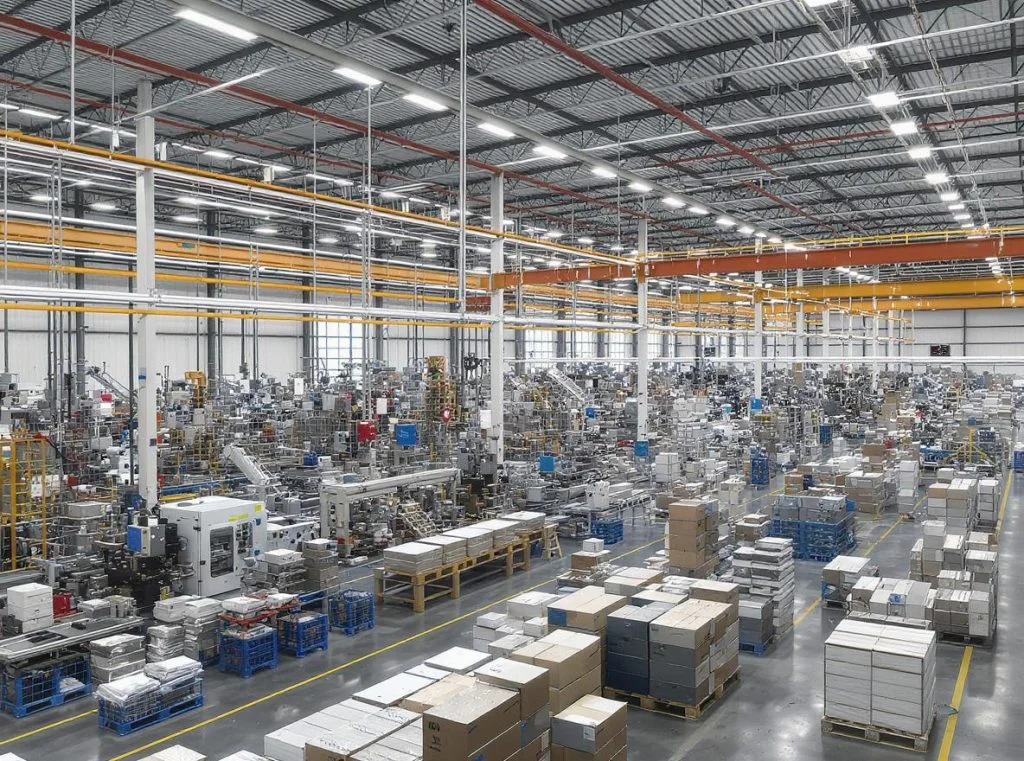
The journey from a creative concept to a finished piece of premium fitness apparel is a complex, multi-stage process that requires meticulous planning, precise communication, and rigorous execution at every single step.
Design and Technical Specifications (Tech Packs)
The cornerstone of the entire manufacturing phase is the Technical Package, universally known in the industry as a tech pack. A tech pack is a highly comprehensive, detailed blueprint that communicates every single nuance of your garment to the manufacturer. It typically includes flat vector sketches, exact measurements for every size in your range (known as grading rules), specific fabric compositions, exact color codes (usually Pantone references), intricate trim details, and highly specific sewing and construction instructions. Creating a robust, flawless tech pack is absolutely crucial because it eliminates costly ambiguity and minimizes the risk of severe miscommunications during the production run. When you submit a well-prepared tech pack to a Custom Gym Wear Factory, their experienced pattern makers and sampling technicians can accurately and swiftly translate your 2D vision into a physical 3D prototype. Many premium factories even offer in-house technical design services to help emerging brands refine and perfect their tech packs, ensuring that the designs are not only aesthetically pleasing on paper but also highly optimized for efficient, scalable manufacturing.
Fabric Selection and Performance Materials
Selecting the right fabric is arguably the most critical, make-or-break decision in the activewear manufacturing process. The performance, tactile feel, drape, and long-term durability of your garments depend almost entirely on the specific textiles you choose to utilize. Fitness apparel inherently requires fabrics that offer highly specific functional properties, such as four-way stretch, advanced moisture management, thermal regulation, and reliable UV protection. During the initial fabric sourcing phase, your Custom Gym Wear Factory will provide you with an extensive range of swatches and material options based entirely on the intended athletic use of the garment. For high-intensity interval training (HIIT) or hot yoga sessions, ultra-lightweight, highly breathable, and rapidly moisture-wicking synthetic blends are the ideal choice. Conversely, for outdoor winter sports or cold-weather distance running, brushed thermal fabrics that expertly retain body heat while simultaneously allowing excess sweat to escape are absolutely essential. Deeply understanding the composition of these materials—typically varying, carefully calculated ratios of polyester, nylon, and elastane—is vital for creating garments that perform exceptionally well under severe physical stress.
The Crucial Prototyping and Sampling Phase
Once the tech pack is finalized and the optimal fabrics are sourced, the manufacturing process officially moves into the prototyping and sampling phase. This is the exciting stage where your digital designs are finally brought to life in physical form. The factory will create a first sample, often referred to in the industry as a prototype or a fit sample, using the specified materials or available substitute fabrics if the exact custom color has not yet been dyed. This initial sample allows you to critically evaluate the fit, the drape, and the overall functionality of the garment on a live fit model. It is highly uncommon for a first sample to be absolutely perfect right out of the gate. The prototyping phase usually involves several iterations, tweaks, and revisions. You might find that the waistband needs to be slightly higher for better core support, or that the armholes need subtle adjusting to prevent chafing during upper body movements. A reputable Custom Gym Wear Factory will work closely with you through these necessary revisions, creating pre-production samples (PPS) until the garment flawlessly meets your exact specifications, fit requirements, and overarching quality standards.
Transitioning to Full-Scale Production Runs
After the final pre-production sample is officially approved by your team, the project transitions smoothly into full-scale bulk production. This major phase involves the bulk cutting of fabric, structured assembly line sewing, comprehensive quality control inspections, and final commercial packaging. The factory will systematically scale the approved pattern across all the different sizes requested in your purchase order, a highly technical process known as grading. Extreme precision is paramount during the fabric cutting phase; industrial laser cutters or highly advanced automated cutting machines are often employed to ensure that every single panel of fabric is cut to the exact millimeter, minimizing waste and ensuring consistency. As the individual garments move rapidly through the sewing lines, specialized, highly trained machinists handle different components of the assembly. The overall efficiency, speed, and accuracy of this process are highly dependent on the factory’s internal infrastructure and management systems. Throughout the entire production run, continuous, rigorous in-line quality control checks are performed to catch and rectify any minor defects immediately, ensuring that the final batch of activewear is completely flawless and ready for the global retail market.
![Building Your Brand with a Trusted Custom Gym Wear Factory]()
Key Fabrics and Materials Used in Premium Activewear
The materials you choose define the end-user experience. Understanding the science behind athletic textiles is mandatory for anyone looking to disrupt the activewear market with high-quality offerings.
Advanced Moisture-Wicking Blends
In the high-stakes realm of fitness apparel, efficient moisture management is completely non-negotiable. When athletes sweat profusely, they desperately need garments that actively pull moisture away from the skin and disperse it broadly across the surface of the fabric for rapid, cooling evaporation. This vital capillary action is typically achieved through specialized synthetic fibers, most commonly advanced polyester and nylon blends. Polyester is naturally highly hydrophobic, meaning it actively repels water, making it an exceptionally excellent base for moisture-wicking technologies. Nylon, while also quick-drying, offers exceptional tensile durability and a noticeably softer, silkier hand-feel, which is precisely why it is frequently utilized in premium yoga pants and high-end seamless activewear. Many modern performance fabrics also intelligently incorporate proprietary chemical treatments or complex structural weaves that massively enhance their breathability and overall drying speed, actively keeping the wearer cool, dry, and remarkably comfortable during the absolute most grueling, sweat-inducing workouts.
Sustainable and Eco-Friendly Fabrics
As global environmental awareness rightfully grows, the consumer demand for sustainable and eco-friendly activewear has surged astronomically. Today’s consumers are increasingly seeking brands that align with their ethical values, heavily prioritizing products made from recycled, organic, or regenerated materials. A forward-thinking Custom Gym Wear Factory will offer a diverse portfolio of sustainable textiles to help brands meet this surging demand. Recycled polyester (rPET), often ingeniously derived from post-consumer plastic water bottles, is a massively popular choice that provides the exact same high-performance characteristics as virgin polyester while significantly reducing the garment’s overall carbon footprint and preventing plastic waste from entering oceans. ECONYL®, a revolutionary regenerated nylon made entirely from discarded fishing nets and other industrial nylon waste, is highly prized for premium sustainable activewear due to its extreme durability and luxurious feel. Additionally, organic cotton, bamboo viscose, and Tencel™ lyocell are frequently utilized for low-impact activities and casual athleisure wear, offering supreme, unmatched softness and natural breathability without the heavy, destructive environmental toll typically associated with traditional textile production.
High-Compression Materials for Performance and Recovery
Compression wear represents a massive, highly lucrative segment within the broader fitness apparel industry, heavily favored by professional athletes and dedicated amateurs alike for its proven ability to improve blood circulation, significantly reduce muscle oscillation, and drastically speed up recovery times post-workout. High-compression garments are intricately constructed using highly specialized fabrics with a remarkably high percentage of elastane (spandex), often ranging anywhere from 15% to an incredible 30%. The specific, highly technical knitting techniques used to create these fabrics dictate the exact level of compression and the multi-directional stretch. Creating effective, comfortable compression wear requires immense technical expertise. The physical patterns must be meticulously engineered to apply targeted, graduated pressure to specific muscle groups without uncomfortably restricting overall mobility or causing severe discomfort. This is precisely where the specialized equipment and deep biomechanical knowledge of a dedicated manufacturing partner become completely invaluable, ensuring that the garments deliver genuine, measurable performance benefits rather than just feeling excessively tight and restrictive.
Extensive Customization Options Provided by a Custom Gym Wear Factory
Differentiation is key in a saturated market. Relying on unique design elements, custom branding, and specialized packaging is the best way to elevate your perceived brand value.
Screen Printing, Sublimation, and Heat Transfers
To successfully build a widely recognizable fitness brand, your apparel must feature distinct, eye-catching, and highly durable branding. Premium factories offer a wide variety of advanced printing techniques to apply logos, graphics, and intricate patterns to your garments. Screen printing is the traditional, time-tested method, ideal for bold, solid-color graphics primarily on cotton or poly-cotton blends. However, for highly elastic synthetic activewear fabrics, advanced silicone printing or high-quality heat transfers are almost always preferred because they can stretch seamlessly with the fabric without cracking, peeling, or degrading over time. Sublimation printing is another highly popular and incredibly effective technique, particularly favored for vibrant, highly detailed all-over prints. In the sublimation process, extreme heat is used to turn specialized dye into a gas, which then bonds on a molecular level directly with the polyester fibers. This results in a stunning print that is incredibly durable, completely fade-resistant, and 100% breathable, as the ink does not sit on top of the fabric but rather becomes a part of the fabric itself.
Premium Embroidery and Appliqué
For a noticeably more elevated, tactile, and premium aesthetic, high-quality embroidery and appliqué are absolutely excellent customization options. Embroidery adds an undeniable touch of luxury, weight, and permanence to a garment, making it an incredibly popular choice for high-end athleisure hoodies, heavy joggers, and structured warm-up jackets. Modern, state-of-the-art multi-head embroidery machines can flawlessly reproduce highly intricate logos with astonishing millimeter precision using ultra-durable, highly colorfast threads that resist fading even after hundreds of washes. Appliqué involves precisely sewing a separate piece of cut fabric directly onto the main garment to create a bold design or large logo, adding significant visual depth and texture. While embroidery may not be structurally suitable for highly elastic, lightweight performance areas (like the main body of a tight compression shirt) because it can severely restrict stretch and cause unsightly puckering, it is absolutely perfect for sturdier fabrics and non-stretch zones, massively enhancing the premium, bespoke feel of your entire athleisure collection.
Private Labeling, Custom Tags, and Bespoke Packaging
The customer’s unboxing experience and the finer, subtle details of a garment play a massive, often underestimated role in overall consumer perception and brand loyalty. True, authentic private labeling means that every single aspect of the product, including the tags and packaging, wholly reflects your unique brand, with absolutely no trace of the manufacturer’s identity visible to the end consumer. A comprehensive Custom Gym Wear Factory will handle all intricate aspects of private labeling seamlessly. This includes securely sewing in custom woven neck labels, carefully applying comfortable tear-away tags, or expertly using tagless heat-transfer labels for maximum, chafe-free comfort. Beyond just the labels, custom packaging dramatically elevates the retail presentation of your products. Factories can readily provide bespoke, branded polybags, eco-friendly compostable mailers, custom-printed tissue paper, and thick, luxurious branded hangtags. These critical finishing touches transform a standard high-quality piece of clothing into a fully cohesive, premium brand experience that actively fosters intense customer loyalty and easily justifies significantly higher retail price points in the marketplace.
Quality Control: Ensuring Your Fitness Apparel Meets Market Standards
A single defective batch can ruin a brand’s reputation permanently. Stringent quality control is the only way to guarantee that your customers receive exactly what they paid for.
Advanced Stitching Techniques: Flatlock vs. Overlock
The ultimate durability and long-term comfort of activewear depend heavily and entirely on the specific stitching techniques utilized during the assembly process. Flatlock stitching is universally recognized as the absolute gold standard for form-fitting athletic wear, such as premium leggings, durable rash guards, and supportive sports bras. This advanced technique securely joins two pieces of fabric together edge-to-edge without overlapping them, successfully creating a perfectly flat, smooth seam that lies completely flush against the athlete’s skin. This highly technical construction completely eliminates the bulky, uncomfortable seam allowance that can cause severe chafing, bleeding, and irritation during highly repetitive movements like distance running, rowing, or cycling. Overlock stitching, on the other hand, is generally used for less intensely fitted garments like standard t-shirts, casual joggers, and oversized hoodies. It cleverly involves sewing completely over the raw edge of one or two pieces of cloth for edging, neat hemming, or structural seaming, providing excellent stretch and rugged durability. Knowing exactly which specific stitching method to strategically apply to which garment is a definitive hallmark of a highly specialized, expert manufacturer.
Rigorous Stretch and Recovery Testing
Activewear must consistently endure extreme physical stress, stretching significantly to perfectly accommodate the body’s dynamic movements and then immediately snapping back to its original tailored shape without sagging, bagging, or permanently losing its structural form. This vital characteristic is known in the textile industry as stretch and recovery. During the comprehensive quality control phase, raw fabrics and completely finished garments undergo incredibly rigorous mechanical testing to carefully evaluate their elasticity and structural memory. QA technicians will repeatedly, aggressively stretch the garments to their absolute maximum capacity and precisely measure how quickly and accurately they return to their initial baseline dimensions. Poor recovery inevitably leads to “bagging out,” particularly in notoriously high-stress articulation areas like the knees, elbows, and glutes, which is the most common and damaging complaint among consumers of cheap, low-quality gym wear. Ensuring exceptional, long-lasting stretch and recovery is absolutely vital for maintaining the elite performance and aesthetic lifespan of your apparel collection.
Colorfastness, Pilling, and Shrinkage Tests
Fitness apparel is routinely subjected to incredibly harsh, degrading conditions: highly corrosive human sweat, constant abrasive friction, heavy UV sun exposure, and frequent, aggressive hot-water washing cycles. Therefore, all materials must be exhaustively tested for colorfastness to ensure that the vibrant dyes do not bleed in the wash or prematurely fade under the punishing sun and salt from sweat. Pilling—the incredibly annoying formation of small, fuzzy, unsightly balls on the surface of the fabric due to constant abrasion—is another major, brand-damaging issue that quickly degrades the look and feel of activewear. Factories conduct brutal Martindale or Wyzenbeek abrasion tests to absolutely ensure the fabrics heavily resist pilling, particularly on areas that experience extraordinarily high friction, like the inner thighs of running leggings. Additionally, strict shrinkage testing is performed to firmly guarantee that the garments maintain their exact intended sizing after consumer laundering. By rigorously and continuously evaluating these crucial factors, brands can confidently and proudly release premium products that will easily withstand the ultimate test of time.
Scaling Your Fitness Brand from Startup to Industry Leader
Transitioning from a small startup to a dominant market player requires a shift in how you manage inventory, forecast trends, and negotiate with your supply chain.
Navigating Minimum Order Quantities (MOQs)
One of the most significant, often intimidating hurdles for new and emerging fitness brands is successfully navigating Minimum Order Quantities (MOQs). MOQs represent the absolute lowest number of units a factory is financially willing to produce in a single dedicated production run. Because setting up complex manufacturing lines, custom dyeing massive rolls of fabrics, and precisely programming automated cutting machines require substantial upfront labor and immense operational costs, factories heavily rely on sheer volume to make the process economically viable. When partnering with a Custom Gym Wear Factory, it is utterly crucial to discuss and negotiate their MOQ structures extremely early in the communication process. Some massive global factories require exorbitant MOQs (e.g., 1000 to 5000 pieces per specific style/color), which can be wildly prohibitive for bootstrapped startups. However, many specialized, highly agile manufacturers offer incredibly flexible, low MOQs (e.g., 100-300 pieces) specifically to support and nurture emerging brands. Deeply understanding how MOQs directly affect your unit economics, warehouse storage, and cash flow is fundamentally essential for meticulously planning your initial brand launch and smoothly managing subsequent inventory replenishments without tying up all your liquid capital.
Efficient Inventory Management and Lead Times
Successful, sustainable scaling requires wildly meticulous inventory management and a deep, realistic understanding of standard manufacturing lead times. Lead time is defined as the total, comprehensive time it takes from officially placing a finalized purchase order to physically receiving the finished goods at your distribution warehouse. For highly custom activewear, standard lead times can range anywhere from a rapid 30 days to a lengthy 90 days, heavily depending on the structural complexity of the garments, raw fabric availability, and the factory’s current, often packed, seasonal production schedule. Highly effective, constant communication with your manufacturing partner is absolutely vital to actively ensure production stays on schedule and avoids disastrous delays. Brands must critically factor these lead times into their rigid product drop calendars, massive marketing campaigns, and seasonal wardrobe transitions. Running out of stock (experiencing stockouts) can severely, permanently damage a brand’s hard-earned momentum and cost tens of thousands in immediately lost revenue, while vastly overstocking ties up crucial operational capital. Building a highly reliable, completely predictable supply chain allows for agile, data-driven inventory management and sustained, highly profitable business growth over the long term.
Forecasting Trends in the Dynamic Activewear Market
The global activewear market is notoriously fast-paced, with aesthetic trends and functional requirements evolving rapidly based on high-fashion runway influences, massive technological advancements in performance textiles, and continually shifting consumer workout preferences. To scale successfully and maintain relevance, brands must be highly proactive rather than sluggishly reactive. This means actively analyzing big market data, obsessively monitoring social media influencers, and regularly attending massive international textile trade shows to accurately forecast upcoming trends before they peak. Whether it is predicting the explosive rise of ribbed seamless fabrics, the sudden viral popularity of flared yoga leggings, or the futuristic integration of smart textiles that actively monitor an athlete’s biometric data, staying vastly ahead of the curve is crucial for survival. A strong, deeply collaborative relationship with your manufacturer provides a massive strategic advantage here. A highly knowledgeable factory can consistently offer invaluable insider insights into the absolute newest fabric innovations and cutting-edge manufacturing techniques they are currently developing in their R&D departments, seamlessly allowing you to incorporate these futuristic features into your upcoming collections long before your sluggish competitors do.
The Financial Benefits of Direct Manufacturing
Owning your production process and working closely with a factory provides unparalleled financial advantages, directly impacting your bottom line and overall business valuation.
Cutting Out the Middleman and Sourcing Agents
Many new, inexperienced brands make the fatal financial mistake of using wholesale blank apparel and simply screen-printing their logos on them, or heavily relying on expensive sourcing agents who merely act as unnecessary middlemen between the brand and the actual factory. While this might superficially seem easier and less stressful initially, it severely, critically limits customization capabilities, highly restricts brand identity, and drastically inflates unit costs. By establishing a robust, direct relationship with a Custom Gym Wear Factory, you completely eliminate the middleman’s hefty markup. This hands-on, direct-to-manufacturer approach undoubtedly requires significantly more effort in terms of daily project management and strict quality control, but the long-term financial rewards are absolutely substantial. You gain complete, granular control over the Bill of Materials (BOM), seamlessly allowing you to aggressively negotiate fabric costs, optimize trim expenses, and secure better labor rates directly. This ultimate financial transparency actively empowers brands to heavily optimize their production budgets and intelligently allocate significantly more capital toward aggressive marketing, influencer partnerships, and rapid customer acquisition.
Achieving Better Margins for Your E-commerce or Retail Store
Profit margins are the absolute lifeblood of any successful apparel business. In the cutthroat, hyper-competitive modern e-commerce landscape, where customer acquisition costs (CAC) through digital advertising on platforms like Facebook and Google are continuously and aggressively rising, having incredibly healthy product margins is literally the only way to remain a profitable entity. Direct manufacturing significantly, drastically lowers the Cost of Goods Sold (COGS). When your COGS is heavily optimized, your gross margins expand beautifully. This immense financial flexibility allows you to comfortably offer highly competitive retail pricing without ever sacrificing profitability, run massively aggressive promotional campaigns during critical peak seasons like Black Friday or Cyber Monday, or strategically reinvest massive profits into deep research and development for innovative new product lines. Ultimately, the profound cost efficiencies gained by working directly with a highly specialized manufacturer provide the unshakable financial foundation necessary to build a highly resilient, incredibly profitable, and globally recognized fitness apparel empire.
How to Choose the Right Custom Gym Wear Factory for Your Vision
Selecting a manufacturing partner is akin to choosing a business partner. The vetting process must be exhaustive, covering everything from communication skills to ethical standards.
Assessing Communication, Transparency, and Reliability
The ultimate, long-term success of your entire manufacturing partnership heavily hinges on exceptionally clear, highly consistent, and brutally transparent communication. Annoying language barriers and massive time zone differences can heavily complicate overseas manufacturing, making it absolutely imperative to carefully choose a factory with a highly responsive, fluent English-speaking merchandising and account management team. During the initial, critical vetting process, strictly evaluate exactly how quickly they respond to your intricate inquiries, how thoroughly and expertly they answer complex technical questions, and whether they proactively point out potential, hidden issues in your submitted designs before production even begins. A truly reliable Custom Gym Wear Factory operates flawlessly as an integrated extension of your own internal team. They should be completely, unapologetically transparent about their true capabilities, realistic production schedules, and complete pricing structures. If a manufacturer is suspiciously evasive about exactly where they source their raw fabrics or highly hesitant to provide regular, detailed production updates with photos, it is a massive, glowing red flag. Deep trust and open communication are just as crucially important as the physical, tangible quality of the garments they produce.
Reviewing Portfolios, Past Work, and Factory Audits
Before ever committing to a massively expensive, large-scale bulk production order, it is absolutely crucial to thoroughly, obsessively vet the manufacturer’s past work and their actual physical infrastructure. Always ask to see their expansive portfolio of previous clients, though keep in mind that many top-tier factories operate under incredibly strict Non-Disclosure Agreements (NDAs) and legally cannot reveal the exact names of the major global brands they produce for. Instead, aggressively request a wide variety of physical, finished samples from their archives that clearly demonstrate their sheer expertise in the highly specific types of garments you actually want to create (e.g., complex seamless leggings, high-impact supportive sports bras, waterproof athletic windbreakers). Meticulously examine the exact stitching quality, the luxurious fabric feel, and the long-term printing durability of these samples. Furthermore, conducting a comprehensive factory audit—either safely in person or through a highly trusted, reputable third-party inspection agency like SGS or Intertek—is highly recommended. An audit definitively verifies the factory’s true production capacity, the modernity of their machinery, and their overall operational organization, ensuring they are genuinely capable of flawlessly handling your growing brand’s requirements.
Ensuring Ethical Manufacturing and Fair Labor Practices
In the highly scrutinized modern retail landscape, conscious consumers care deeply and passionately about the ethical, environmental, and social implications of their purchases. Brands that are tragically exposed for utilizing horrific sweatshops or deeply exploitative labor practices face severe, devastating, and often completely unrecoverable reputational damage. Therefore, it is your absolute moral and business responsibility to firmly ensure that your chosen factory strictly adheres to the highest ethical labor standards. Directly inquire about their internal labor policies, safe working conditions, fair wage structures, and stringent safety protocols. Actively look for reputable manufacturers that hold internationally recognized, heavily vetted certifications, such as WRAP (Worldwide Responsible Accredited Production), SA8000 (Social Accountability), or BSCI (Business Social Compliance Initiative) and various fair trade certifications. Partnering with a highly socially responsible factory not only heavily mitigates catastrophic public relations risks but also brilliantly aligns your brand with the rapidly growing, highly lucrative movement towards an ethical, completely sustainable global supply chain.
Common Pitfalls to Avoid When Sourcing Activewear
The path to a successful apparel launch is fraught with challenges. Knowing what to avoid is just as important as knowing what to do right.
Rushing the Sample Phase and Bypassing Approvals
One of the absolutely most catastrophic, brand-destroying mistakes emerging brands constantly make is foolishly rushing the critical sampling phase just to get to market a few weeks faster. Approving a mediocre pre-production sample that is merely “good enough” rather than absolutely perfect will inevitably, disastrously lead to a massive bulk order of completely flawed garments. The sampling phase is precisely the time to be incredibly meticulous, obsessive, and demanding. Test the sample rigorously in brutal, real-world workout scenarios. Wash it aggressively multiple times to check for any hidden shrinkage, unravelling seams, and color bleeding. If absolutely any revisions are needed, forcefully demand a brand new physical sample. Never, under any circumstances, approve a massive bulk production run based merely on low-resolution photographs or smooth verbal assurances from the factory representative. Taking the necessary, sometimes frustrating time to completely perfect the sample fully ensures that your expensive bulk order will flawlessly meet your high expectations and entirely prevents the absolute nightmare scenario of receiving thousands of unsellable, horribly defective products.
Ignoring Sizing Nuances and Fit Demographics
General sizing is notoriously, incredibly inconsistent across the global apparel industry, and activewear is particularly, ruthlessly unforgiving due to its highly form-fitting, skin-tight nature. A massive, common pitfall is completely failing to creatively develop a proprietary, highly customized sizing chart that accurately reflects the specific bodies of your target demographic. Using generic, standard factory sizing templates almost always results in garments that fit poorly on your specific audience. For instance, creating sizing for a heavily muscled bodybuilding demographic requires vastly different proportions (significantly broader shoulders, much narrower waists, massively larger thighs) compared to creating standard sizing for a slim, yoga-focused demographic. Work incredibly closely with expert pattern makers and seasoned technical designers to develop highly precise grading rules specifically tailored for your unique customer base. Consistent, incredibly accurate sizing builds deep customer trust, dramatically reduces highly costly e-commerce return rates, and is a foundational, critical component of long-term brand loyalty.
Unrealistic Timelines and Budgeting Errors
Successfully launching an apparel collection involves highly complex global logistics and vastly unpredictable variables. Eager entrepreneurs often foolishly set hyper-optimistic, completely unrealistic launch dates without ever accounting for inevitable potential delays in raw fabric sourcing, endless sample revisions, agonizing customs clearance hold-ups, or massive global shipping disruptions. These wildly unrealistic timelines create immense, crushing pressure and almost always lead to dangerous corners being cut in final quality control. Similarly, severe budgeting errors are incredibly common and often fatal. Brands frequently, mistakenly calculate their total costs based entirely on the factory’s quoted FOB (Free On Board) price per single unit, completely forgetting to factor in exorbitant international shipping freight, heavy import duties, hidden taxes, expensive bespoke packaging costs, and massive digital marketing expenses. To build a truly sustainable, highly profitable business, you must rigorously create a highly comprehensive financial model that perfectly accounts for the fully landed cost of all your products and intelligently build generous, realistic buffer times into your entire production calendar.
Conclusion
Launching and successfully scaling a globally recognized fitness apparel brand is a highly complex, intensely multifaceted endeavor that deeply requires immense passion, brilliant strategic planning, and a completely unyielding, obsessive attention to detail. The activewear market is incredibly, highly lucrative, but it is also brutally, aggressively competitive. To truly stand out in a sea of generic brands, your products must offer genuine, undeniable athletic performance, vastly superior build quality, and striking, head-turning aesthetics. This elite level of excellence absolutely cannot be achieved through cheap shortcuts or by lazily relying on generic, low-quality wholesale suppliers. It inherently requires the deep expertise, microscopic precision, and unwavering dedication of a highly specialized manufacturing partner who truly understands the complex science of athletic wear.
By carefully vetting, selecting, and deeply collaborating with a highly reputable Custom Gym Wear Factory, you firmly take absolute control of your entire global supply chain, massively optimize your profit margins, and guarantee that every single garment bearing your brand’s logo flawlessly meets the absolute highest industry standards. From the initial, painstaking tech pack creation to the final, rigorous quality control inspections before shipping, a strong, communicative factory relationship is the powerful, underlying engine that constantly drives your brand’s explosive growth and sterling reputation.
If you are finally ready to turn your ambitious activewear vision into a highly profitable reality, and you are actively seeking a world-class manufacturing partner who deeply understands the intricate, technical demands of producing high-performance fitness apparel, the time to take decisive action is right now. Do not ever compromise on the fundamental quality of your products or the long-term integrity of your brand. Let the seasoned experts help you architect and build a stunning collection that professional athletes and everyday fitness enthusiasts will absolutely love and rely on. Please contact us today to thoroughly discuss your upcoming project, explore our massive, comprehensive manufacturing capabilities, and take the first critical, decisive step towards completely dominating the global fitness apparel industry.