
The Ultimate Guide to Elevating Performance with Bespoke Apparel Production
The world of competitive and theatrical dance is an intricate tapestry woven from extreme athleticism, profound artistry, and captivating visual storytelling. When a dancer steps onto the stage, illuminated by the blinding glare of theatrical spotlights, every single element of their performance matters immensely. From the razor-sharp precision of their technical execution to the emotive power of their facial expressions, the audience and the judging panel absorb it all. However, an undeniably critical component of a flawless, unforgettable routine that is frequently overlooked by novices is the apparel worn during the performance. Choosing the right garments goes far beyond simple aesthetic appeal; it is fundamentally about biomechanics, unrestricted physical comfort, psychological confidence, and collective team identity. This is precisely why partnering with a highly reliable custom dancewear manufacturer is one of the most consequential decisions a dance studio owner, competitive team director, or independent athletic brand founder will ever make. In an industry where off-the-rack, mass-produced solutions frequently fall short in terms of anatomical fit, long-term durability, and unique stylistic flair, moving toward a fully bespoke production model provides an unparalleled competitive advantage.
To truly understand the profound impact of high-quality apparel on a dancer’s professional trajectory, we must deeply examine the extreme physical demands placed upon the human body during rigorous choreography. Dancers are elite athletes who require their clothing to perform just as flawlessly as they do under immense pressure. A minor seam irritation, an inadequate stretch radius across the shoulders, or a poorly placed zipper can instantly distract a performer, pulling them out of their artistic zone and potentially compromising their physical safety during complex lifts and tumbling passes. By vehemently rejecting the standard limitations of generalized sizing charts and generic catalog patterns, visionaries in the dance community are taking absolute control of their artistic presentation. They recognize that custom apparel is not merely a frivolous luxury, but an absolute structural necessity for those aiming for the pinnacle of their craft.
![Grace in Motion: Partnering with a Custom Dancewear Manufacturer]()
Why Your Studio or Brand Needs a Custom Dancewear Manufacturer
Standing Out in a Fiercely Competitive Dance Industry

The competitive dance circuit has never been more saturated. At regional and national competitions, judges sit through hundreds of routines over a single weekend, often experiencing fatigue. To capture their attention and leave a lasting impression, a routine must be visually striking from the very first second the music begins. When you collaborate with a dedicated custom dancewear manufacturer, you completely bypass the mundane limitations of generic, out-of-a-catalog costumes that blend into the background. Instead, you are empowered to conceptualize and bring to life exclusive, breathtaking designs that perfectly encapsulate the theme, mood, and intricate narrative of your choreography. Whether you are envisioning an avant-garde contemporary piece featuring asymmetrical mesh cutouts or a vibrant, highly crystallized jazz ensemble, bespoke manufacturing allows your creative vision to manifest without a single compromise. This exclusivity ensures that your team will never experience the sinking dread of walking into a competition venue only to see another studio wearing the exact same outfit on stage.
Enhancing Athletic Performance Through Tailored Fits
Beyond the immediate visual impact, the functional and biomechanical benefits of bespoke dance apparel are immense. Standard sizing charts rely on generalized body measurements that rarely reflect the diverse, uniquely muscular physiques of serious, hard-training dancers. A leotard or two-piece set that fits perfectly in the waist might be restrictively tight across the latissimus dorsi or shoulders, actively hindering a dancer’s ability to execute complex port de bras, partnering lifts, or acrobatic floor work. A top-tier custom dancewear manufacturer utilizes advanced pattern-making techniques and highly customized grading to ensure that every single garment supports the specific movements required by the choreography. By meticulously tailoring the rise of the leg line, the precise width of the gusset, and the specific tension of the elastic bands, these specialized creators ensure that the apparel moves seamlessly with the dancer, acting as a supportive second skin rather than an encumbrance.
Building Team Unity and Powerful Studio Identity
Apparel serves as an incredibly powerful psychological tool for fostering a deep sense of belonging and unbreakable camaraderie among team members. When dancers wear customized warm-up suits, structured rehearsal gear, and performance costumes adorned with their studio’s specific color palette and logos, it instills a profound sense of pride and collective identity. This psychological boost translates directly to their physical performance. They step onto the floor not just as a group of individual performers, but as a unified, fiercely cohesive unit. Working closely with a reputable custom dancewear manufacturer allows studio owners to establish a strong, instantly recognizable brand identity that extends far beyond the stage and deep into the local community. From branded backpacks and duffel bags to customized convention wear, every piece of apparel becomes a walking billboard for the excellence, discipline, and professionalism of your institution.
![Grace in Motion: Partnering with a Custom Dancewear Manufacturer]()
Navigating the Design Process with a Custom Dancewear Manufacturer
The Initial Consultation and Comprehensive Vision Boarding
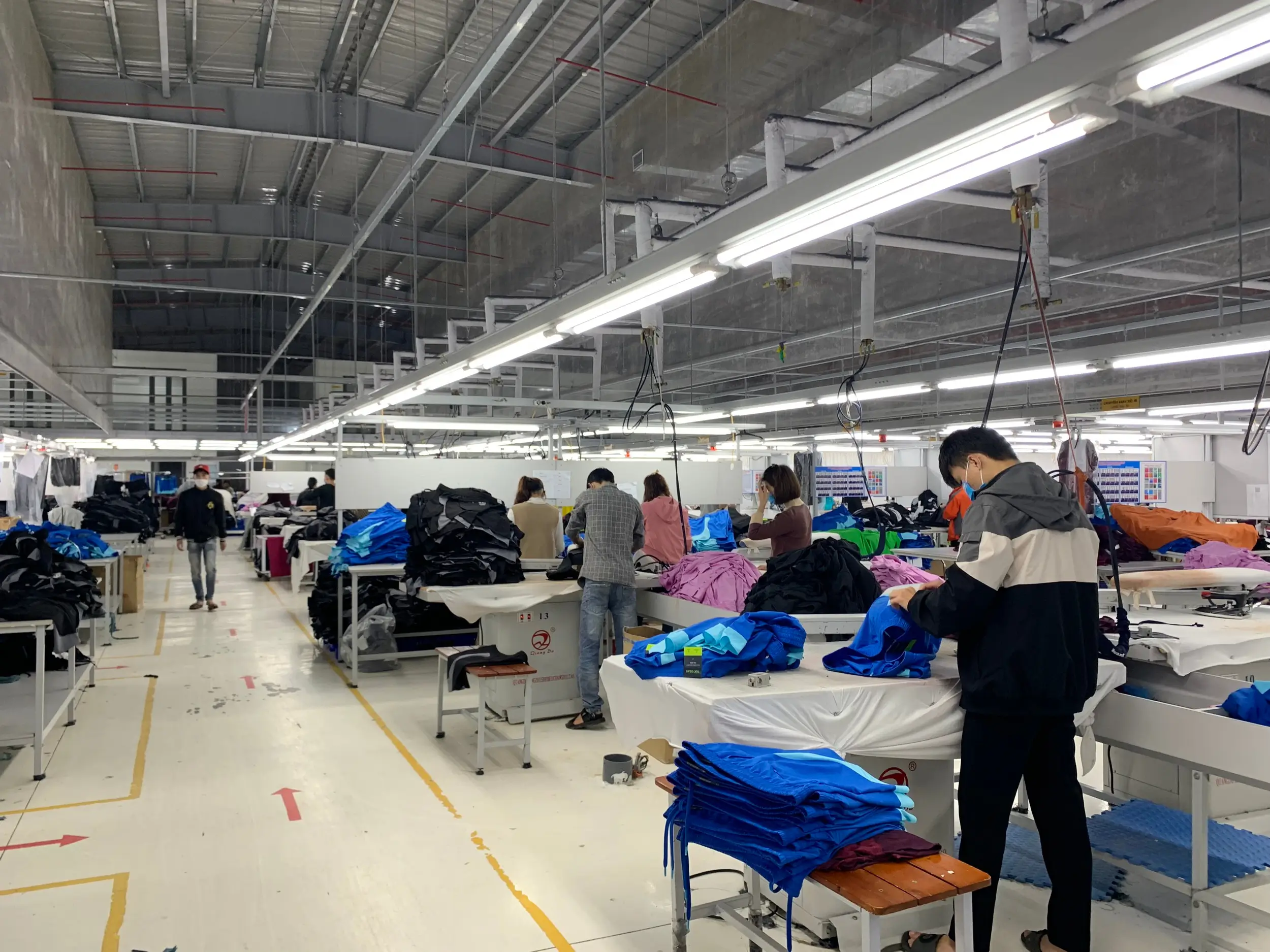
Embarking on a custom apparel journey may seem daunting at first glance, but understanding the workflow completely demystifies the process and highlights the incredible value of expert collaboration. The journey always begins with a comprehensive, deep-dive consultation. During this critical phase, you will sit down—either virtually or in person—with the design team to discuss your inspiration, technical requirements, timeline, and budgetary parameters. You might bring detailed mood boards, rough sketches, physical fabric swatches, or even video clips of the choreography to communicate the exact aesthetic vibe you are aiming for. A highly experienced custom dancewear manufacturer will carefully analyze your concepts and provide immediate, highly actionable feedback regarding fabric feasibility, structural integrity, and cost-effective construction methods. This collaborative brainstorming session is absolutely crucial for aligning your artistic dreams with manufacturing reality, ensuring that the final product is both stunningly beautiful and highly functional.
Technical Packs, CAD Designs, and the Prototyping Phase
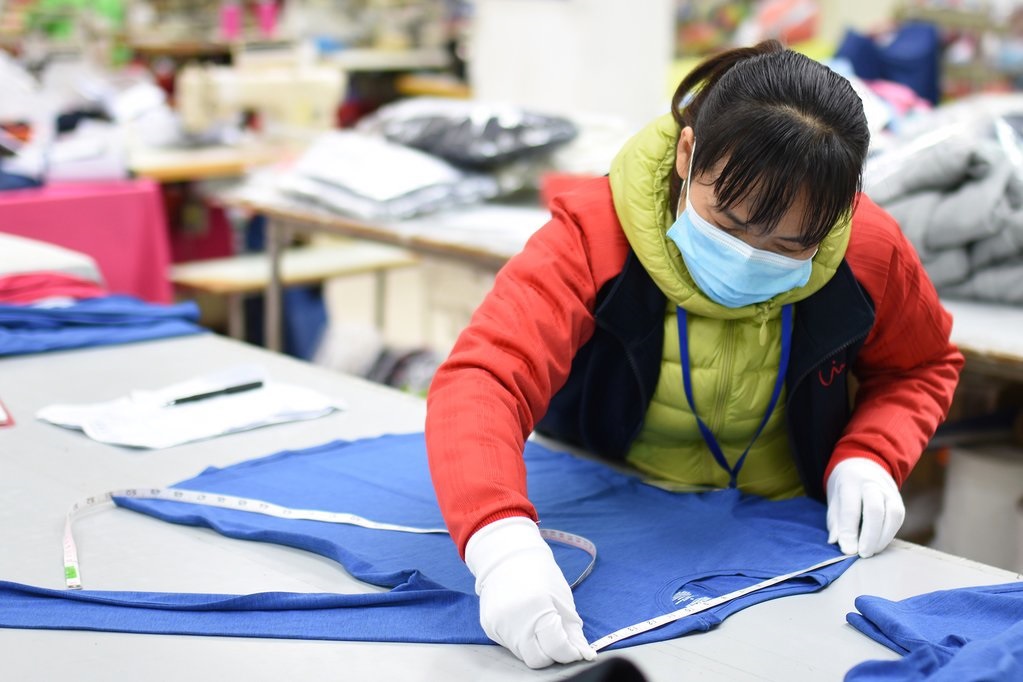
Once the initial concepts and artistic directions are solidified, the manufacturer’s technical design team takes over the heavy lifting. They systematically translate your abstract ideas into detailed Computer-Aided Design (CAD) illustrations and comprehensive technical packs, commonly known in the industry as tech packs. These essential documents serve as the absolute blueprint for the entire production process, detailing every single measurement, stitch type, fabric allocation, and hardware placement. Reviewing these tech packs gives you a mathematically precise understanding of what the finished garment will look like. Following your final approval, the most exciting step begins: physical prototyping. The factory will produce a tangible sample of your design. This is your golden opportunity to test the garment on a live dancer, rigorously assessing the fit, movement radius, and visual impact in motion. If the straps are too loose, or the skirt doesn’t flare quite right during a rapid pirouette, these micro-adjustments are carefully noted and refined before any bulk production is permitted to begin.
Fabric Sourcing for Optimal Stretch and Longevity
The foundation of any exceptional, high-performance piece of dancewear lies securely in the quality of the textiles used in its construction. A truly elite custom dancewear manufacturer possesses deep, long-established relationships with premium, technologically advanced fabric mills around the globe. They understand fundamentally that dancewear requires a highly specific, finely tuned balance of elasticity, recovery, breathability, and total opacity. The design team will present you with an array of cutting-edge materials, ranging from buttery-soft brushed nylons and moisture-wicking Supplex to high-compression heavy spandex blends and delicate, yet surprisingly resilient, four-way stretch power mesh. Selecting the right fabric is a delicate science; a material that flows perfectly for a fluid, lyrical dress may be completely inappropriate for the structured, high-impact requirements of a commercial hip-hop uniform. Expert guidance in this complex arena prevents costly mistakes and ensures the long-term longevity of your financial investment.
The Science of Dance Fabrics: A Deep Dive into Performance Textiles
The Indispensable Role of Spandex and Elastane
When discussing the molecular breakdown of modern performance apparel, the conversation must invariably begin with elastane, commonly known by the brand name Lycra or universally referred to as spandex. This synthetic fiber is the undisputed lifeblood of the activewear industry. Unlike standard cotton or rigid polyester, elastane possesses the astonishing ability to stretch up to five to eight times its normal size and instantly snap back to its original shape without structural degradation. In dancewear, this fiber is never used on its own; it is meticulously knitted with other base fibers like nylon or polyester to create a composite fabric. The exact ratio is vital. For rigorous dance routines requiring extreme contortion, high leaps, and deep extensions, a fabric composition containing between 15% and 25% elastane is generally required to provide the necessary muscular compression, shape retention, and freedom of movement.
Breathability and Moisture Management: Nylon vs. Polyester
The base fibers that carry the elastane are just as critical to the dancer’s comfort. Historically, nylon has been the gold standard for high-end dancewear due to its incredibly soft, luxurious hand-feel and exceptional durability. Nylon is highly resistant to abrasion, meaning it will survive countless encounters with the studio floor without pilling or tearing. However, advancements in textile engineering have brought performance polyester into the spotlight. Modern athletic polyesters are hydrophobically engineered, meaning they actively repel water. When woven into a specialized micro-channel matrix, these polyester fibers excel at pulling sweat directly off the skin and pushing it to the exterior of the garment for rapid evaporation. Understanding the distinct properties of these base fibers allows designers to make highly informed decisions based on the specific thermal and physical demands of the choreography.
Specialty Textures: Velvets, Meshes, and Intricate Laces
While the base layer of the garment handles the physical demands, the aesthetic layer brings the choreographer’s vision to life. Specialty textures play a massive role in stage presentation. Crushed and stretch velvets offer an opulent, incredibly rich texture that catches stage lighting beautifully, creating deep, dramatic shadows and brilliant highlights. Power mesh is perhaps the most heavily utilized specialty fabric, allowing designers to create the illusion of bare skin while maintaining vital structural support for necklines and cutouts. Stretch laces add a delicate, romantic touch to classical and lyrical pieces. The challenge with these specialty fabrics lies in their inherent fragility compared to base spandex. A skilled manufacturing partner knows exactly how to properly back, line, and reinforce these delicate materials so that they can withstand the brutal realities of a competitive dance environment without ripping or fraying prematurely.
Tailoring Apparel for Specific Dance Disciplines
The Rigorous Demands of Classical Ballet and Pointe Work
Every genre of dance demands an entirely different approach to garment construction. In the strict, highly disciplined world of classical ballet, apparel must adhere to centuries-old aesthetic traditions while incorporating modern performance technology. Ballet leotards require impeccably precise leg lines to elongate the dancer’s silhouette, while the armholes must be cut low enough to allow for unrestricted port de bras without causing the fabric to bunch awkwardly at the shoulders. Romantic and classical tutus present a monumental engineering challenge; they require intricate layers of stiff tulle, highly structured basques, and carefully inserted steel or plastic hooping to maintain their iconic, gravity-defying shape while the ballerina executes rapid fouetté turns. The internal construction of these garments is often a closely guarded secret, relying on specialized gussets and hidden structural panels.
High-Impact Urban and Commercial Hip-Hop Choreography
In stark contrast to the fitted elegance of ballet, urban and commercial hip-hop dancewear relies heavily on bold silhouettes, heavy layering, and streetwear-inspired aesthetics. Dancers in this genre execute hard-hitting, staccato movements, floor freezes, and complex isolations. The apparel must accommodate extreme ranges of motion while maintaining a specific cultural look. Drop-crotch joggers, oversized windbreakers, and heavily pocketed cargo pants are staples. For these garments, durability is the absolute highest priority. Fabrics like heavyweight cotton twills, ripstop nylons, and thick French terry are favored. However, even these traditionally rigid fabrics are now being engineered with hidden mechanical stretch properties, allowing hip-hop dancers to drop into deep squats and execute acrobatic tricks without the fear of blowing out a seam.
Fluidity and Emotion in Contemporary and Lyrical Pieces
Contemporary and lyrical dance styles are characterized by continuous, fluid motion, emotional storytelling, and extensive floor work. The apparel designed for these genres must act as an extension of the dancer’s physical expression. Garments often feature asymmetrical hemlines, dramatic draping, and lightweight, sheer overlays that catch the air to emphasize the sweeping nature of the choreography. Chiffon, georgette, and lightweight silks are frequently utilized for skirts and flowing sleeves. Because contemporary dancers spend a significant amount of time sliding across the floor, the base garments—usually briefs, boy shorts, or fitted crop tops—must be incredibly secure and resistant to riding up. Seamless construction and silicone grip taping are often integrated into the hems to ensure the costume stays perfectly in place during aggressive, dynamic rolls and falls.
Key Features to Look for in Elite Dance Apparel
Moisture-Wicking and Thermoregulating Materials
Dance is an intensely aerobic, cardiovascular activity that generates significant body heat and heavy perspiration within minutes of a routine. If a dancer is trapped in heavy, non-breathable fabrics, their core temperature can rise rapidly, leading to premature muscular fatigue, severe discomfort, and highly impaired performance. Modern, high-quality custom dance garments unconditionally incorporate advanced moisture-wicking technologies. These specialized synthetic fibers are engineered at a microscopic level to pull sweat rapidly away from the skin and disperse it widely across the outer surface of the fabric, where it can evaporate into the air quickly. This vital thermoregulating capability keeps the dancer exceptionally cool, dry, and mentally focused, even during the most grueling multi-hour technical rehearsal sessions or under the intense, baking heat of professional stage lighting.
The Absolute Importance of Four-Way Stretch Technologies
Mobility is the primary currency of the professional dance world. A dancer must be able to seamlessly transition from a deep, grounded grand plié into a soaring, explosive grand jeté without feeling restricted by their clothing. This is exactly why four-way stretch capability is a non-negotiable, fundamental requirement for premium dancewear. Unlike outdated two-way stretch fabrics, which only give in one direction (usually crosswise), true four-way stretch fabrics expand dynamically both horizontally and vertically, conforming perfectly to the dynamic, multi-directional contortions of the human body. When evaluating a potential custom dancewear manufacturer, it is imperative to deeply inquire about the specific spandex, lycra, or elastane content of their primary base fabrics. A minimum of 15% to 20% elastane is generally strictly required to achieve the level of intense shape retention and muscular support demanded by professional-level choreography.
Advanced Stitching Techniques: Flatlock vs. Overlock
The overall durability and sensory comfort of a dance garment are heavily dictated by the specific construction methods utilized in the sewing room. Inexpensive, mass-market retail dancewear almost exclusively relies on standard overlock stitching, which creates a thick, raised seam on the inside of the garment. Under the intense pressure of tight-fitting spandex and highly repetitive physical motion, these raised seams can cause severe chafing, painful skin irritation, and eventual thread breakage. In stark contrast, premium bespoke garments heavily feature flatlock stitching. A specialized flatlock machine joins two separate pieces of fabric edge-to-edge without overlapping them, resulting in a perfectly smooth, low-profile seam that lies completely flat against the dancer’s skin. This highly specialized, labor-intensive technique not only entirely eliminates chafing but also provides superior structural stretch and unparalleled integrity, ensuring the garment can withstand the brutal rigors of aggressive tumbling, partnering, and sliding.
The Financial and Strategic Benefits of Direct Manufacturing
Leveraging Bulk Ordering Advantages
While the initial concept of bespoke manufacturing might sound inherently expensive to a small studio owner, engaging directly with the factory actually provides incredibly significant financial advantages, particularly for medium to large-sized studios and established athletic apparel brands. By entirely eliminating the corporate middlemen—such as wholesalers, third-party distributors, and hefty retail markups—you gain direct access to wholesale factory pricing. When you place large-scale orders for an entire competitive team or execute a studio-wide merchandise rollout, powerful economies of scale immediately come into play. A reputable custom dancewear manufacturer will offer tiered, volume-based pricing structures, meaning that as your unit volume increases, your overall cost per unit decreases substantially. This allows you to allocate your studio’s budget far more efficiently, potentially affording significantly higher-quality fabrics or more intricate, dazzling embellishments than you could have ever obtained from a standard, overpriced retail catalog.
Controlling Retail Margins for Your Studio Boutique
For savvy dance studio owners who operate an in-house boutique or pro shop, developing a fully custom apparel line represents an incredibly lucrative, high-margin revenue stream. Instead of purchasing generic, heavily branded merchandise from massive outside companies and selling it at a standard, restrictive keystone markup, creating your own exclusive line allows you to entirely dictate the retail price and maximize your net profit margins. Because the designs are 100% exclusive to your studio, parents and students cannot simply price-shop the identical items online and purchase them cheaper elsewhere. This powerful exclusivity drives in-house sales and significantly boosts the long-term financial health of your business. Furthermore, directly controlling the manufacturing process ensures that your boutique is always fully stocked with relevant items that directly appeal to your specific demographic and align perfectly with your studio’s unique cultural aesthetic.
Trends Shaping the Future of Dancewear in 2026 and Beyond
The Rapid Rise of Eco-Friendly and Sustainable Fabrics
The global apparel industry is currently undergoing a massive, highly necessary paradigm shift toward environmental responsibility, and the dancewear sector is absolutely no exception to this movement. Today’s socially conscious consumers, discerning parents, and environmentally aware dancers are actively seeking out brands that heavily prioritize sustainable, green practices. Forward-thinking custom apparel factories are rapidly responding to this massive demand by deeply integrating eco-friendly materials into their global supply chains. We are seeing a massive surge in the use of recycled polyester sourced directly from post-consumer plastic water bottles, regenerated nylon crafted from discarded ocean fishing nets, and incredibly soft organic, sustainably harvested bamboo blends. Partnering with a custom dancewear manufacturer that offers these green alternatives not only drastically reduces your overall carbon footprint but also powerfully resonates with your audience, rapidly elevating your brand’s reputation as a progressive, ethically responsible leader in the modern dance community.
True Inclusivity in Skin Tone Meshes and Sizing
For decades, the dance industry struggled with a severe, highly damaging lack of diversity in its standard apparel offerings, particularly concerning “nude” or illusion meshes, tights, and undergarments. The archaic standard of a single “classical peach” tone actively excluded a vast majority of diverse dancers, forcing performers of color to spend frustrating hours “pancaking” their shoes and chemically dyeing their expensive meshes with tea bags or custom makeup concoctions just to achieve a cohesive, professional look. Thankfully, this deeply flawed standard is being rapidly dismantled. The industry is finally embracing true, uncompromising inclusivity. Leading bespoke factories now proudly offer an extensive, meticulously curated spectrum of skin-tone meshes, elastics, and internal linings, ensuring that every single dancer, regardless of their ethnic background, can step onto the stage feeling seen, respected, and flawlessly styled. Furthermore, custom manufacturing inherently supports truly inclusive sizing scales, allowing for the creation of beautiful, highly supportive garments for all body types, celebrating the beautiful diversity of the human form.
High-Tech Embellishments and Digital Sublimation Printing
The aesthetic, visual possibilities of modern dancewear have been blown wide open by rapid advancements in textile technology. Digital sublimation printing, in particular, has completely revolutionized the way complex patterns and vibrant colors are applied to spandex. Unlike traditional, heavy screen printing, which sits thickly on top of the fabric and inevitably cracks or peels over time, sublimation uses extreme heat to infuse the ink directly into the microscopic fibers of the material. This results in incredibly vibrant, high-definition, photorealistic graphics that will never fade, crack, or compromise the vital stretch of the garment. From hyper-realistic floral motifs to complex, geometric optical illusions, sublimation allows for literally limitless creativity. Additionally, the application of stage embellishments has become far more sophisticated, with cutting-edge factories utilizing heat-set, premium-grade glass rhinestones, intricate laser-cut appliques, and highly detailed 3D embroidery to add breathtaking texture and visual dimension to performance costumes.
Overcoming Common Pitfalls When Sourcing Dance Apparel
Avoiding Costly Miscommunications on Production Lead Times
While the overall benefits of custom manufacturing are undeniably profound, the process requires highly meticulous planning and proactive, organized project management to avoid stressful, catastrophic setbacks. One of the absolute most common pitfalls studio owners face is severely miscalculating the production timeline. Creating bespoke, highly detailed garments is a labor-intensive, multi-step process that simply cannot be rushed without severely sacrificing quality. From the initial design consultation and global fabric sourcing to prototyping, fitting revisions, and final bulk production, the entire cycle can easily take anywhere from eight to twelve weeks, or even longer during the chaotic peak competition season rush. It is absolutely crucial to establish a crystal-clear, heavily documented timeline with your custom dancewear manufacturer long before the first stitch is ever sewn. Building in a generous, multi-week buffer period for unexpected shipping delays or necessary prototype alterations is essential for ensuring that your costumes arrive with plenty of time for dress rehearsals and final rhinestone application.
Ensuring Consistent Color Matching Across Fabric Lots
Another highly significant technical challenge in custom apparel production is achieving exact, perfect color consistency, especially when mixing drastically different types of fabrics within a single costume design. A specific shade of royal blue might look completely different on a shiny, reflective nylon-spandex base than it does on a matte polyester mesh or a sheer, lightweight chiffon skirt. This frustrating discrepancy is entirely due to the way different chemical fibers absorb and reflect commercial dyes. To avoid a mismatched, highly unprofessional appearance under bright stage lights, you must absolutely insist on seeing physical “lab dips” or strike-offs before approving any bulk production. These are small, physical swatches of your specific fabrics meticulously dyed to your chosen Pantone color codes. A rigorous, detail-oriented factory will continuously calibrate their dye formulas to ensure that your colors are cohesive, perfectly harmonious, and exactly what you originally envisioned across all materials utilized in your final design.
The Absolute Importance of Detailed Quality Control Inspections
The final, and arguably most important, hurdle in the manufacturing journey is the quality control (QC) phase. Even in the most technologically advanced, highly automated facilities, inevitable human error can occur. A single dropped stitch, a slightly misaligned chest logo, or an incorrectly sized waistband can completely ruin a performance garment and shatter a dancer’s confidence. Before your massive order is ever boxed and shipped, the factory must execute a incredibly stringent, multi-point quality control inspection. This involves rigorously checking the finished garments against the original tech packs for exact dimensional accuracy, aggressively stress-testing the flatlock seams, physically verifying the integrity of all zippers and metal clasps, and ensuring that all rhinestones and embellishments are securely, permanently attached. As a discerning client, you should always thoroughly inquire about a manufacturer’s specific QC protocols. Knowing that your garments have been rigorously, aggressively inspected provides immense peace of mind and guarantees that you are receiving a premium product that is truly stage-ready.
Why Omni Custm is Your Ultimate Custom Dancewear Manufacturer
A Legacy of Excellence and Artisanal Craftsmanship
When the competitive stakes are staggeringly high and your artistic vision demands absolute, uncompromising perfection, you need a highly experienced manufacturing partner that possesses both deep technical expertise and a profound, intimate understanding of the performing arts. Omni Custm stands firmly at the very forefront of the bespoke apparel industry, proudly serving as the ultimate custom dancewear manufacturer for elite dance studios, globally renowned choreographers, and ambitious athletic apparel brands worldwide. With years of highly specialized industry experience, our deeply dedicated team of master pattern makers, brilliant textile engineers, and seasoned, meticulous seamstresses approach every single project with unparalleled passion and obsessive attention to detail. We do not just make clothing; we engineer elite, high-performance athletic equipment cleverly disguised as breathtaking stage art. Our unwavering commitment to utilizing only the absolute finest global textiles and the most highly advanced construction methodologies ensures that every single garment bearing your studio’s logo represents the absolute pinnacle of industry quality.
Seamless Communication and Dedicated Account Management
We deeply understand that navigating the complex, often chaotic world of offshore or large-scale apparel manufacturing can feel incredibly overwhelming, especially for those who are brand new to the process. That is precisely why Omni Custm completely revolutionizes the client experience through radically transparent, proactive communication and highly dedicated, personalized account management. From your very first rough conceptual sketch to the thrilling, unforgettable moment your final, massive order is delivered safely to your studio doors, you are guided by a highly knowledgeable, experienced project manager who fiercely advocates for your artistic vision every single step of the way. We aggressively eliminate the stress of frustrating language barriers, ambiguous timelines, and completely hidden fees, providing you with a perfectly seamless, highly collaborative creative journey. Our singular goal is to expertly handle the incredibly complex logistics of factory production so that you can remain entirely focused on what you do best: inspiring your talented dancers and creating magnificent, award-winning choreography.
Take the Next Step in Elevating Your Dance Wardrobe
Begin Your Bespoke Journey Today
The apparel your dancers wear is a direct, unavoidable reflection of your studio’s unwavering commitment to excellence, deep professionalism, and forward-thinking artistic innovation. Settling for mass-produced, generic, ill-fitting costumes is a massive disservice to the countless hours of sweat, tears, and intense dedication your performers pour into their craft in the rehearsal room every single day. It is finally time to step completely out of the mundane catalog and step brilliantly into the spotlight with bespoke apparel that is as fiercely unique, powerful, and dynamic as your award-winning choreography. Whether you are actively looking to design a stunning, highly cohesive competitive wardrobe for your elite team, launch an exclusive, highly profitable line of studio-branded boutique merchandise, or create a show-stopping, heavily crystallized solo costume that will leave the judges utterly breathless, the journey to perfection begins with a single conversation.
Do not leave your team’s vital visual presentation and crucial athletic comfort to mere chance. Partner with a proven, heavily trusted, industry-leading apparel creator that truly understands the intricate, microscopic nuances of physical movement, the brutal, rigorous demands of the competitive stage, and the immense, undeniable power of strong brand identity. Equip your dedicated dancers with the high-performance tools they desperately need to perform with supreme, unshakable confidence, entirely unrestricted physical mobility, and undeniable, trend-setting style. Transform your wildest, most visionary concepts into tangible, breathtaking reality. If you are truly ready to completely revolutionize your approach to dance apparel, permanently secure your competitive advantage, and deeply experience the unparalleled luxury of true bespoke design, our team is ready to bring your dreams to life. Reach out to our expert design team today to immediately schedule your comprehensive, deep-dive initial consultation and discover the infinite, thrilling possibilities of true customization. Contact us now to get started on your masterpiece.