
In the fiercely competitive world of combat sports, having the right equipment isn’t just a matter of aesthetics; it is an absolute necessity for safety, performance, and brand identity. Whether you are a professional fighter stepping into the spotlight, a gym owner looking to outfit your members, or an entrepreneur launching a new fightwear brand, the foundation of your success lies in the equipment you use. This is precisely why partnering with a reputable Custom Boxing Gear Manufacturer is one of the most critical business decisions you will ever make. Custom equipment speaks volumes about your dedication to the sport. It reflects a commitment to quality, an understanding of the rigorous demands of training, and a desire to stand out in a crowded marketplace. A carefully crafted pair of gloves or a perfectly tailored headgear can elevate an athlete’s confidence and protect them during the most grueling sparring sessions. In this ultimate guide, we will explore every facet of creating bespoke combat sports equipment. From understanding the nuanced differences in materials to navigating the complex production processes, this comprehensive resource will equip you with the knowledge needed to thrive. By the time you finish reading, you will understand exactly what it takes to bring your vision to life and why settling for off-the-shelf alternatives is no longer an option for serious contenders. Your brand deserves equipment that tells a story of resilience, power, and unmatched craftsmanship, setting you apart from the rest of the industry.
The Ultimate Guide to Choosing a Custom Boxing Gear Manufacturer
When embarking on the journey to create your own line of combat equipment, the sheer number of options can be overwhelming. The market is flooded with factories and suppliers, each promising the best quality at the lowest prices. However, not every factory is equipped to handle the specific demands of combat sports. Selecting the right Custom Boxing Gear Manufacturer requires a deep understanding of what goes into making elite-level equipment. It is not just about slapping a logo on a generic product; it is about engineering gear that can withstand thousands of impacts, protect fragile bones, and provide a comfortable, ergonomic fit for the user. Boxing is a sport where fractions of an inch and minor weight discrepancies can make a massive difference. Therefore, your manufacturing partner must possess a profound understanding of the biomechanics of striking. They need to know why a sparring glove requires softer, more forgiving foam compared to a bag glove, and why the thumb attachment is a critical safety feature that prevents eye gouges and thumb hyperextension. A true manufacturing partner acts as an extension of your brand. They will work with you to refine your tech packs, suggest material improvements, and ensure that every stitch aligns with your vision. They should be able to provide detailed insights into the sourcing of their raw materials, ensuring that the leather is ethically sourced and properly tanned to prevent tearing and odor retention. Furthermore, they should have stringent quality control measures in place, inspecting every single item before it leaves the factory floor. By prioritizing expertise over rock-bottom prices, you guarantee that your brand will be associated with durability, safety, and premium performance. Building a combat sports brand is a marathon, not a sprint, and having the right manufacturer in your corner is the secret weapon to long-term profitability and brand loyalty.
![Stepping into the Ring: Finding a Custom Boxing Gear Manufacturer]()
What to Look for in a Premier Custom Boxing Gear Manufacturer
When evaluating a potential Custom Boxing Gear Manufacturer, the first and most crucial element to scrutinize is their material selection and sourcing capabilities. The soul of any boxing glove lies in its exterior casing and its internal padding. Top-tier manufacturers offer a variety of casing options, ranging from traditional cowhide leather to advanced synthetic microfibers. Cowhide is universally revered for its unmatched durability, natural stretch, and classic aroma, making it the gold standard for premium fight gear. However, high-quality engineered microfibers have made significant strides, offering incredible resistance to moisture and cracking while providing a vegan-friendly alternative for environmentally conscious brands. The ability to choose the exact grain, thickness, and finish of your leather separates elite producers from generic factories.
Internally, the padding architecture separates adequate gear from exceptional gear. A sophisticated supplier will not rely on a single block of cheap foam. Instead, they will utilize multi-layered foam systems, combining high-density EVA foam for structural integrity with softer polyurethane layers for impact absorption. Some may even offer traditional horsehair padding for punchers’ gloves, which provides a dense, broken-in feel right out of the box. These internal components must be precisely measured and layered to ensure maximum protection for both the striker and the training partner. The padding must maintain its shape and resilience over months of intense daily use, resisting flattening and degradation.
Another critical factor is their customization capabilities. Your brand needs to stand out, and that requires more than just a basic screen print. Look for a facility that offers advanced embellishment techniques such as direct embroidery, embossed logos, 3D rubber patches, and full-color sublimation for apparel. The ability to customize the inner lining—perhaps with a moisture-wicking Japanese Amara fabric—adds a touch of luxury that discerning customers will appreciate. Every detail, from the color of the stitching thread to the branding on the velcro strap, should be fully customizable to reflect your unique brand identity.
Additionally, you must assess their Minimum Order Quantities (MOQs). For a startup or a boutique gym, a factory demanding an MOQ of thousands of units per colorway is completely unfeasible. A flexible partner will offer low to moderate MOQs, allowing you to test the market with different designs and color schemes without tying up all your capital in inventory. They understand that scaling a brand is a gradual process and are willing to support your growth from the ground up, providing scalable solutions that evolve alongside your business operations.
![Stepping into the Ring: Finding a Custom Boxing Gear Manufacturer]()
Advanced Padding Technologies and Ergonomics
The Science of Impact Dispersion

The anatomy of modern fight gear has evolved drastically from the horsehair-stuffed leather mitts of the early twentieth century. Today, understanding the science of impact dispersion is critical for anyone entering the market. A high-quality production facility employs biomechanical engineering principles to design padding structures that protect both the striker and the target. When a punch lands, kinetic energy travels through the glove, into the hands, up the wrists, and through the elbows and shoulders. Poorly designed gear fails to absorb this energy, leading to micro-fractures in the metacarpals and severe joint degradation over time. Advanced factories utilize injection-molded foam (IMF) technology, which involves injecting liquid foam directly into a pre-shaped mold. This creates a uniform, single-piece padding system that maintains its shape and shock-absorbing properties far longer than traditional layered foam. Alternatively, multi-layered systems (often consisting of EVA, latex, and polyurethane foams) are meticulously bonded together to offer a specific balance of density and rebound. The outer layer is typically denser to absorb the initial shock, while the inner layers are softer to cushion the knuckles.
Thumb Attachment and Wrist Stabilization
Ergonomics go beyond the padding. The anatomical curvature of the glove must facilitate a natural fist closure. If a glove requires excessive effort to close, the fighter’s forearms will fatigue prematurely, compromising their defense and punching power in the later rounds of a fight. Furthermore, thumb attachment is a non-negotiable safety standard. A fully attached thumb prevents the thumb from bending backward during an awkward strike and protects the opponent from accidental eye gouges. Wrist stabilization is equally vital. Whether utilizing an elongated lace-up system that locks the forearm into place or a dual-strap velcro system that provides rigid support, the splinting effect created by the wrist closure is essential for preventing sprains. Your bespoke gear producer should be intimately familiar with these ergonomic necessities, ensuring your products perform flawlessly under the extreme stress of professional competition.
The Production Process with a Custom Boxing Gear Manufacturer
Working alongside a dedicated Custom Boxing Gear Manufacturer ensures that your concepts are systematically transformed into tangible, high-performance products. This journey begins with the initial consultation and design phase. During this stage, you will collaborate closely to develop comprehensive tech packs. These documents serve as the blueprints for your gear, detailing every specification including dimensions, materials, color pantones, padding density, and logo placements. Clear communication at this juncture is vital to prevent costly misunderstandings down the line. It is highly recommended to provide visual references, 3D renderings if available, and precise measurements to eliminate any ambiguity.
Once the tech packs are finalized, the prototyping and sampling phase commences. This is arguably the most exciting part of the process. The facility will produce a physical sample of your design. It is imperative that you rigorously test this sample. Put the gloves on, hit the heavy bag, spar with the headgear, and evaluate the mobility of the groin guards. You are checking for fit, comfort, weight accuracy, and durability. Does the glove force your hand into a natural fist? Is the velcro strap long enough to provide adequate wrist support? Are the seams double or triple-stitched with heavy-duty nylon thread? Based on your feedback, the facility will make the necessary revisions until the prototype is flawless. Do not be afraid to request multiple rounds of sampling until the product meets your exact standards.
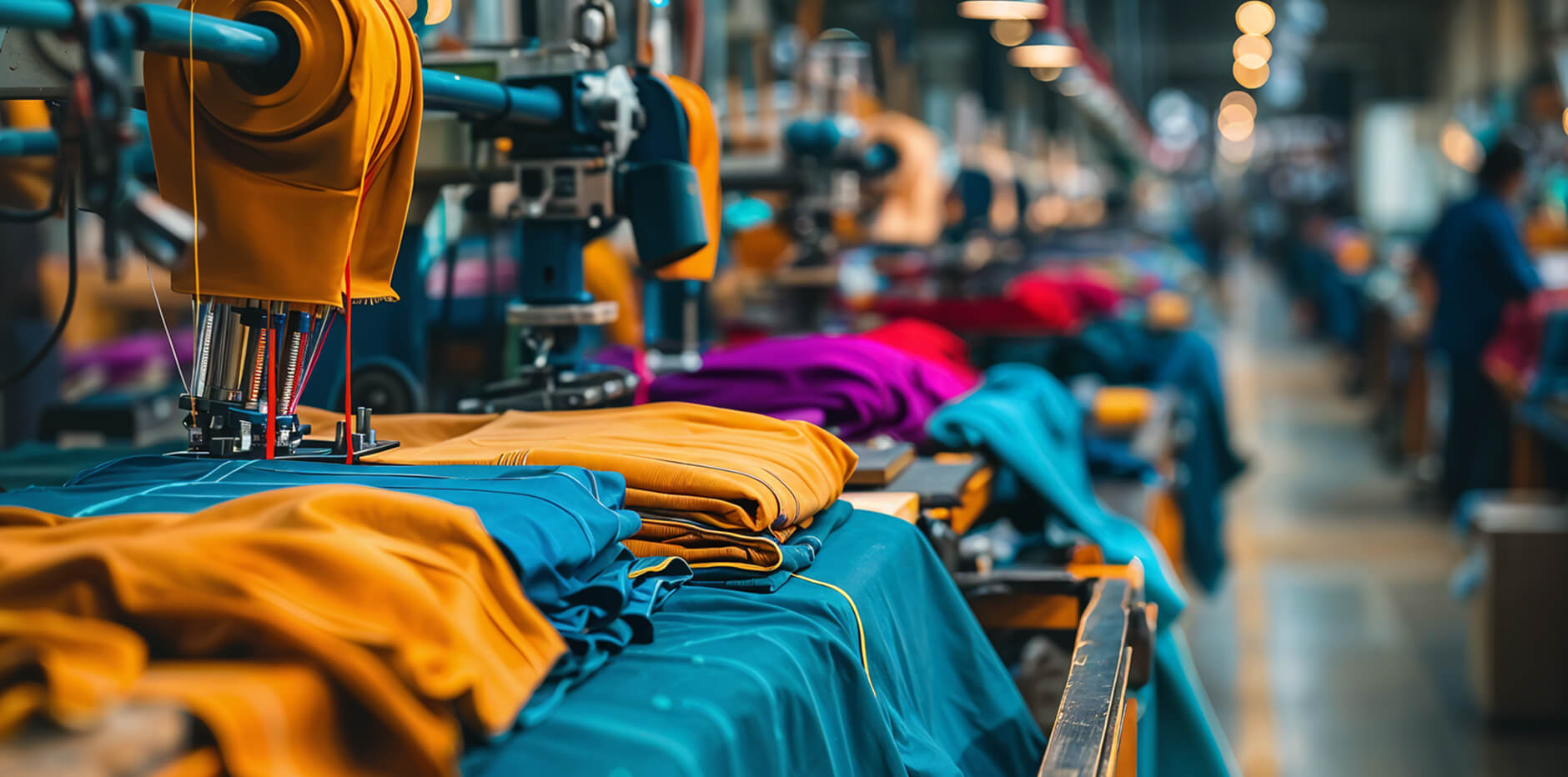
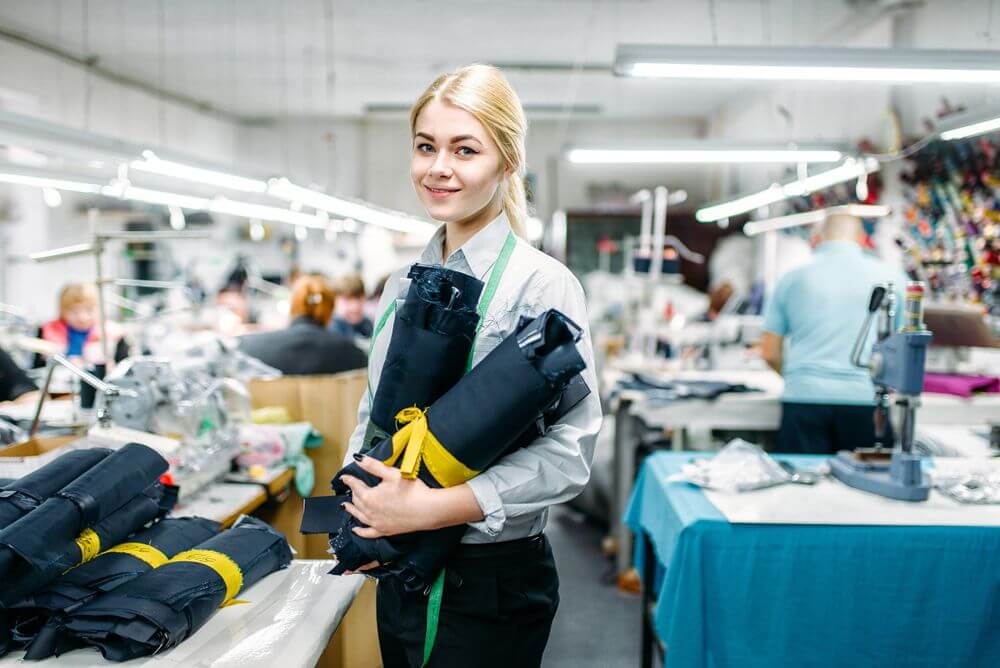
Following sample approval, the project moves into mass production. A reliable factory will maintain consistent communication during this period, providing updates and potentially sharing photos or videos of your gear on the assembly line. This transparency builds trust and gives you peace of mind. During mass production, skilled artisans cut the leather, assemble the foam cores, and meticulously stitch the components together. The precision required to stitch a curved boxing glove is immense, demanding years of experience to perfect. The intricate stitching around the thumb and the piping along the cuffs require a steady hand and a keen eye for detail.
Finally, the process concludes with rigorous Quality Control (QC) and logistics. Each item should be inspected for cosmetic defects, weight discrepancies, and structural integrity. Gloves should be weighed to ensure they meet the specified ounces accurately. A 16oz glove should not weigh 14oz or 18oz; precision is key. Once cleared by QC, the supplier will assist with packaging and shipping, navigating the complexities of international freight, customs clearance, and import duties to ensure your products arrive safely at your warehouse, ready to disrupt the market. Proper packaging ensures that the leather does not arrive creased or scuffed, preserving the premium presentation of your brand.
The Evolution of Boxing Aesthetics and Customization
Sublimation and Modern Embellishments
While safety and performance are paramount, the visual appeal of your equipment is what initially captures the consumer’s attention. The combat sports industry is inherently theatrical, and fighters use their gear to express their persona, heritage, and affiliations. Traditional customization relied heavily on screen printing, which, while cost-effective, often cracked, peeled, or faded after prolonged exposure to sweat and friction. Today, elite facilities offer advanced sublimation for apparel, a process where heat is used to transfer dye directly into the fabric’s fibers. This results in vibrant, permanent designs that will not compromise the breathability or weight of the fabric—ideal for boxing trunks and walkout shirts. For leather goods like gloves and headgear, sophisticated embellishments have become the industry standard. Direct embroidery provides a premium, classic look, while embossed or debossed leather logos offer a subtle, luxurious aesthetic. We are also seeing the rise of 3D molded rubber patches and metallic or iridescent synthetic leathers, allowing brands to create truly unique, eye-catching collections that stand out both in the gym and under the bright lights of an arena.
The Psychology of Color in Combat Sports
Color theory plays a fascinating role in fight gear design. Red is traditionally associated with aggression, power, and dominance, making it a perennial favorite. Black signifies elegance, intimidation, and focus. White implies purity, speed, and precision, though it requires meticulous cleaning. A knowledgeable facility will assist you in selecting the right color pantones, ensuring the dyes used in the leather tanning process are vibrant and colorfast. They will also help you create cohesive colorways across your entire product line, ensuring that your gloves, shin guards, and apparel all perfectly match, presenting a unified and professional brand image to the world. Matching your gear to your gym’s branding or a fighter’s national flag can create a deep emotional connection with your audience.
Types of Boxing Gear You Can Customize With Your Custom Boxing Gear Manufacturer
Every established Custom Boxing Gear Manufacturer understands the nuances of the various product categories within the combat sports ecosystem. The most prominent item, of course, is the boxing glove. However, gloves are not a monolithic category. You have the opportunity to design specific gloves for specific purposes. Sparring gloves, typically ranging from 14oz to 18oz, require exceptionally soft, forgiving padding to protect training partners from cuts and concussions. Bag gloves, on the other hand, need denser foam to withstand the repetitive, high-impact force of hitting heavy bags and focus mitts without breaking down prematurely. You can also design professional fight gloves, which are smaller (usually 8oz or 10oz), feature lace-up closures for a custom fit, and use denser padding to maximize power transfer during a bout.
Beyond gloves, hand wraps are a fantastic, low-cost item to customize. Offering Mexican-style stretch wraps with your brand’s logo on the velcro strap adds a professional touch to your product line. Headgear is another critical component. You can choose between open-face designs for maximum visibility, cheek-protector styles for a balance of vision and safety, or full-face nose-bar headgear for ultimate protection against facial lacerations and broken noses. Customizing the inner lining with a non-slip material ensures the headgear does not shift when struck.
Protective equipment extends to groin guards and body shields. A well-designed groin protector should offer deep kidney cups, flexible hip joints, and a lightweight profile that does not impede footwork. Body shields and belly pads for coaches need thick, shock-absorbing cores to prevent rib injuries during intense pad-work sessions.
Apparel is equally important. Custom trunks made from high-quality satin or lightweight polyester, featuring intricate embroidery and custom waistbands, allow fighters to express their personality in the ring. Walkout robes, corner jackets, and compression gear can all be tailored to match your brand’s aesthetic. Finally, heavy bags and coaching equipment like focus mitts and Thai pads are essential for any gym. Designing ergonomic micro-mitts with an internal palm ball for coaches, or durable, double-stitched heavy bags that will not tear at the straps, showcases your brand’s commitment to the entire training experience. Offering a full suite of custom products transforms your business from a simple apparel brand into a comprehensive combat sports lifestyle company.
Building a Sustainable Fightwear Brand
Eco-Friendly Materials and Ethical Sourcing
As consumer awareness regarding environmental impact grows, the combat sports industry is slowly adapting. Forward-thinking brands are looking for ways to reduce their carbon footprint and promote ethical manufacturing practices. Traditional leather tanning is a resource-intensive process that can involve harsh chemicals. However, leading bespoke gear producers are now sourcing leather from tanneries that employ vegetable-tanning processes or utilize closed-loop water filtration systems to minimize environmental damage. Furthermore, the advent of high-end, engineered microfibers offers a completely vegan alternative that matches, and in some metrics exceeds, the durability of genuine cowhide. These synthetic leathers are often lighter, more resistant to moisture degradation, and easier to clean. By offering eco-friendly product lines, your brand can tap into a rapidly expanding demographic of environmentally conscious athletes who refuse to compromise their values for performance.
Minimizing Waste in Production
Sustainability also extends to the factory floor. Efficient pattern making and computerized cutting machines drastically reduce material waste compared to traditional hand-cutting methods. Leftover foam and leather scraps can often be recycled or repurposed into smaller items, like punching bag fillings or keychains. Additionally, consider your packaging. Transitioning from single-use plastics to biodegradable poly-bags or reusable mesh carrying cases not only reduces environmental impact but also adds significant perceived value for the end consumer. Partnering with a facility that shares your commitment to ethical labor practices, fair wages, and sustainable production will strengthen your brand’s reputation and resonate deeply with the modern consumer. Transparency in your supply chain is becoming a powerful marketing tool in its own right.
The Business Case for Launching Your Own Combat Sports Brand
In today’s highly digital and interconnected marketplace, the barrier to entry for starting an apparel or equipment brand has never been lower. However, standing out in that crowded marketplace requires more than just a slick logo or a catchy brand name; it requires undeniably superior products. When you decide to invest in your own line of gear rather than reselling wholesale items from established giants, you are making a long-term investment in your brand’s equity. You are no longer just a distributor; you become a creator. The margins on bespoke combat equipment, once you achieve economies of scale, are significantly higher than traditional retail markups. Furthermore, selling your own gear allows you to control the entire customer experience, from the unboxing moment to the performance in the ring. A fighter wearing your gloves is a walking billboard for your gym or brand. Every time they post a training video on social media, your logo is front and center, organically reaching thousands of potential customers. This level of brand visibility is invaluable and cannot be achieved by simply slapping a screen-printed logo on a cheap, off-the-shelf glove. Custom gear builds an intensely loyal community. When athletes know that the equipment they rely on was designed specifically with their safety and performance in mind, they become lifelong advocates. This organic word-of-mouth marketing is the lifeblood of any successful combat sports enterprise.
Moreover, the global fitness and martial arts industry has experienced explosive growth over the last decade. Boxing, Muay Thai, and Mixed Martial Arts (MMA) are no longer niche sports confined to gritty basement gyms; they have permeated mainstream fitness culture. Boutique boxing studios and high-end martial arts academies are opening at an unprecedented rate, catering to a demographic that values premium experiences and high-quality gear. By establishing your brand now, you position yourself to capture a significant share of this expanding market. You can diversify your revenue streams by offering exclusive colorways, limited edition drops, and specialized gear tailored for different demographics, such as women’s specific fit gloves or youth training kits. The scalability of a well-managed equipment brand is virtually limitless, provided you have the right manufacturing infrastructure supporting your ambitions. This is exactly why finding the perfect production facility is not just a logistical step, but the foundational pillar of your entire business strategy. The upfront time invested in research, sampling, and relationship building will yield exponential returns as your brand gains traction and respect within the notoriously discerning combat sports community.
Common Mistakes When Choosing a Custom Boxing Gear Manufacturer
Navigating the manufacturing landscape is fraught with potential pitfalls. Communication is the bedrock of any successful relationship with a Custom Boxing Gear Manufacturer. Failing to establish clear, consistent, and transparent lines of communication is the single biggest reason why custom gear projects fail. Language barriers and time zone differences can complicate matters, so it is essential to work with a facility that has responsive account managers who understand your vision and can translate your requirements accurately to the production floor. You should establish a clear cadence for updates and maintain organized records of all design approvals and changes to prevent misunderstandings.
Another critical mistake is prioritizing price over quality. In the pursuit of higher profit margins, some brands opt for the cheapest possible quote. This is a fatal error in the combat sports industry. Cheap gear means cheap materials: low-grade synthetic leather that peels after a month, inferior foam that flattens and endangers the user’s hands, and poor stitching that bursts upon impact. When a customer injures their hand because your glove failed, your brand’s reputation will be irreparably damaged. It is always better to pay a premium for exceptional craftsmanship. Building a reputation for indestructible, premium-quality gear will allow you to command higher retail prices and build a fiercely loyal customer base.
Rushing the sampling phase is also a common blunder. Entrepreneurs are often eager to launch and may approve a sample based merely on photographs or a cursory inspection. You must put the sample through rigorous real-world testing. Hand it to a professional fighter, let them abuse it in the gym for a month, and gather their honest feedback. If you bypass this critical evaluation, you risk receiving an entire shipment of defective or poorly fitting equipment that you cannot sell.
Lastly, overlooking lead times and logistical challenges can disrupt your entire business model. Manufacturing bespoke gear takes time—often anywhere from 30 to 90 days, depending on the complexity of the order and the facility’s schedule. Failing to account for production times, shipping delays, and customs clearance can lead to stockouts, frustrated customers, and lost momentum. A reliable partner will provide realistic timelines and keep you updated every step of the way, allowing you to plan your marketing campaigns, photo shoots, and product launches with absolute confidence.
Partnering with the Right Custom Boxing Gear Manufacturer
The culmination of your efforts to build a respected combat sports brand rests heavily on the alliances you forge. Make the right choice today by selecting a Custom Boxing Gear Manufacturer that aligns with your core values, your commitment to safety, and your vision for aesthetic excellence. The right partner will not only supply you with products; they will act as a strategic advisor, helping you navigate market trends, suggesting innovative material applications, and supporting your growth from your very first prototype to your hundredth mass production run. They will understand the unique nuances of your brand and work tirelessly to ensure that every product bearing your logo is a masterpiece of martial arts engineering.
When you build a long-term relationship with your factory, you benefit from improved consistency, better pricing structures as your volume increases, and priority scheduling during peak production seasons. Your manufacturer becomes invested in your success, celebrating your milestones and working diligently to overcome any production hurdles. They will help you establish a robust product line that athletes trust, coaches recommend, and fans admire. The peace of mind that comes from knowing your production is in expert hands allows you to focus your energy on what you do best: marketing your brand, building your community, and scaling your business to new heights.
As you look toward the future, remember that the quality of your gear is the ultimate testament to your brand’s integrity. Do not compromise on the details. Demand excellence in every stitch, every layer of foam, and every inch of leather. The combat sports community is tightly knit, and word of mouth travels fast. A reputation for superior gear will spread like wildfire through gyms and dojos around the world. Whether you are outfitting an entire franchise of boxing gyms, sponsoring world champion fighters, or launching the next big name in fight apparel, your manufacturing partner is the engine that will drive your vision forward.
If you are ready to elevate your brand and begin producing world-class equipment that stands the test of time, it is time to take the next step. Our team of experts is ready to guide you through the entire process, ensuring your custom designs are executed with absolute precision and unmatched quality. For unparalleled craftsmanship and a partnership built on trust, reach out to our expert team today and start your journey toward dominating the combat sports market. The ring is waiting, and with the right gear, your brand is guaranteed to come out swinging and claim its rightful place at the top of the industry.