
The Ultimate Guide to the World of Bags: From Utility to Ultimate Style
Humanity has always been defined by its tools, and perhaps no tool is as universally essential as the humble bag. Since the dawn of civilization, when early hunter-gatherers required vessels to carry their foraging yields, the bag has been a steadfast companion. It is a symbol of our mobility, our preparedness, and our capacity to journey beyond our immediate surroundings. Today, the bag has evolved from a simple utilitarian pouch into a complex marvel of design, engineering, and personal expression. From the bustling streets of metropolitan fashion capitals to the rugged trails of remote mountain ranges, bags accompany us through every facet of our lives. They hold our most precious possessions, our daily necessities, and the tools of our respective trades. In the modern era, the emphasis has increasingly shifted towards finding the perfect balance between form and function, leading to a surge in demand for Custom Bags & Accessories. This unique intersection of utility and personalized style ensures that everyone can find or create a carrier that perfectly aligns with their lifestyle, aesthetic preferences, and practical requirements. The journey of the bag is a fascinating reflection of human progress itself.
The Philosophy and Psychology of Carrying
When we examine the objects we choose to carry with us, we gain profound insights into our values, our anxieties, and our aspirations. A bag is not merely a void waiting to be filled; it is a curated microcosm of our existence. Consider the professional who carefully organizes their laptop, documents, and digital devices into a sleek, structured briefcase. Their bag communicates order, ambition, and readiness. Contrast this with the bohemian traveler whose slouchy, heavily textured hobo bag overflows with sketchbooks, found objects, and a dog-eared novel. Their bag speaks of spontaneity, creativity, and a relaxed approach to the world. The psychology of carrying extends to the physical sensation as well. The weight of a bag on one’s shoulder can be a comforting reminder of preparedness or a burdensome physical toll. This is why ergonomic design has become paramount in contemporary bag manufacturing. Padded straps, weight-distributing harnesses, and breathable back panels are no longer considered luxury features but absolute necessities. Within this landscape of physical comfort and psychological representation, the appeal of Custom Bags & Accessories becomes glaringly apparent. By tailoring the carrying experience, individuals reclaim agency over their physical burdens and stylistic presentations.
A Journey Through Time: The Evolution of Luggage
Ancient Origins and Early Materials
The earliest known bags were rudimentary constructs, born of absolute necessity. Archaeological evidence suggests that early humans utilized animal skins, woven plant fibers, and even large leaves to transport food, tools, and gathered materials. These ancient carriers were entirely utilitarian, devoid of any decorative embellishments. However, as societies advanced and trade routes expanded, the bag began to take on new dimensions. In ancient Egypt, elaborately decorated pouches were worn around the waist, serving as both functional item and status symbol. The materials used became increasingly sophisticated, incorporating finely tanned leathers, intricate beadwork, and woven textiles dyed with vibrant natural pigments. The craftsmanship of these early bags often reflected the cultural identity and artistic traditions of the people who made them. In many indigenous cultures, bags were deeply intertwined with spiritual practices, adorned with symbols and totems meant to offer protection or bring good fortune. It is fascinating to observe how the desire for unique, personalized items has deep historical roots, echoing the modern fascination with Custom Bags & Accessories. Even in antiquity, humans recognized the value of a bag that was not only useful but also uniquely their own.
The Medieval and Renaissance Eras
During the Middle Ages, bags were predominantly worn by both men and women as pouches suspended from a girdle or belt. Pockets had not yet been integrated into clothing, making these external pouches essential for carrying coins, keys, and personal seals. The design of these pouches varied greatly depending on the wearer’s social standing. Wealthy nobles sported pouches crafted from luxurious silks and velvets, often heavily embroidered with gold and silver thread, while the common folk relied on sturdy, unadorned leather or canvas pouches. As Europe transitioned into the Renaissance, the complexity of bag design continued to evolve. The advent of new weaving techniques and the influx of exotic materials from global trade routes sparked a revolution in fashion. Bags became larger and more structured, allowing for the transport of a wider variety of goods. The concept of the ‘swag bag’ or ‘satchel’ emerged, popular among scholars, messengers, and merchants. The meticulous attention to detail and the desire for customized features during this period laid the groundwork for the modern industry of Custom Bags & Accessories, demonstrating an enduring human desire for tailored carrying solutions.
The Industrial Revolution and Mass Production
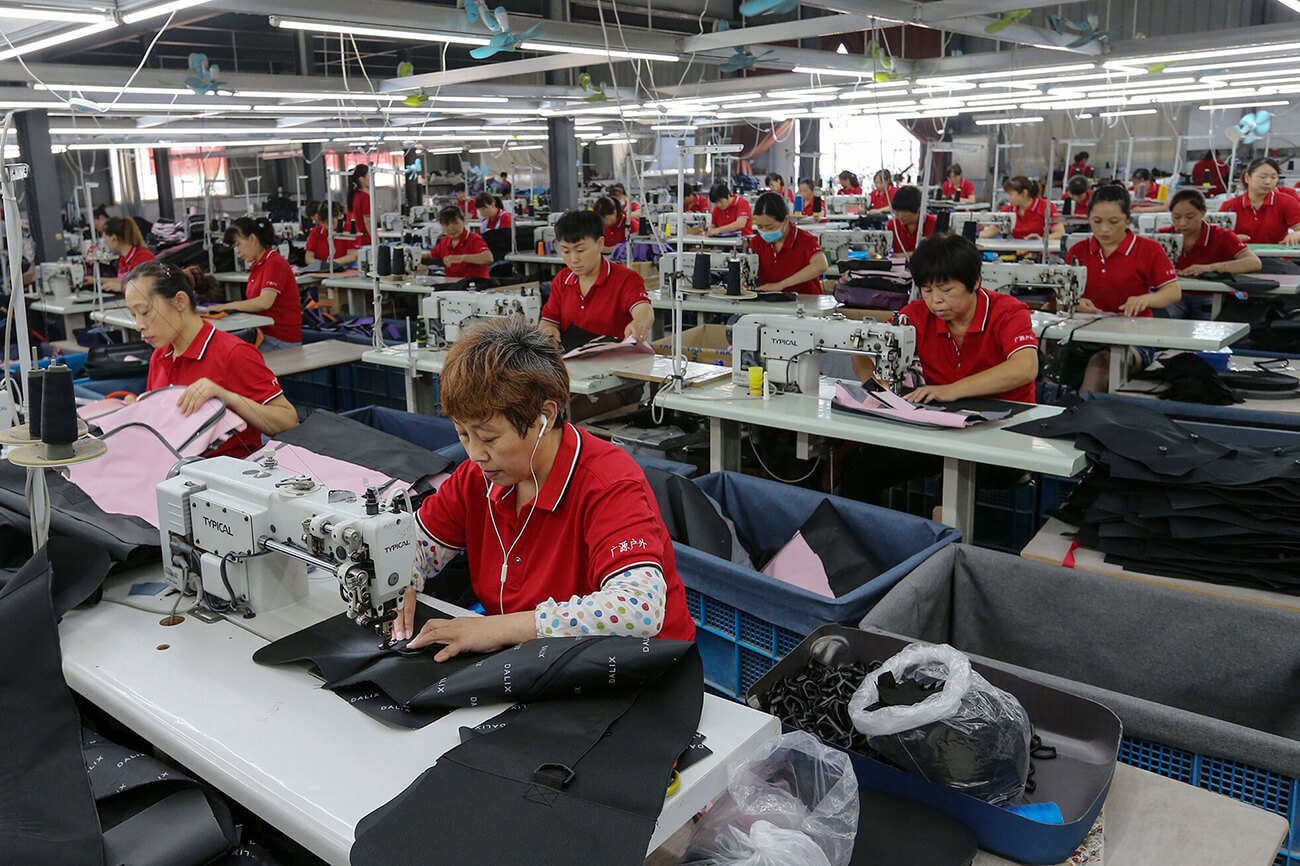
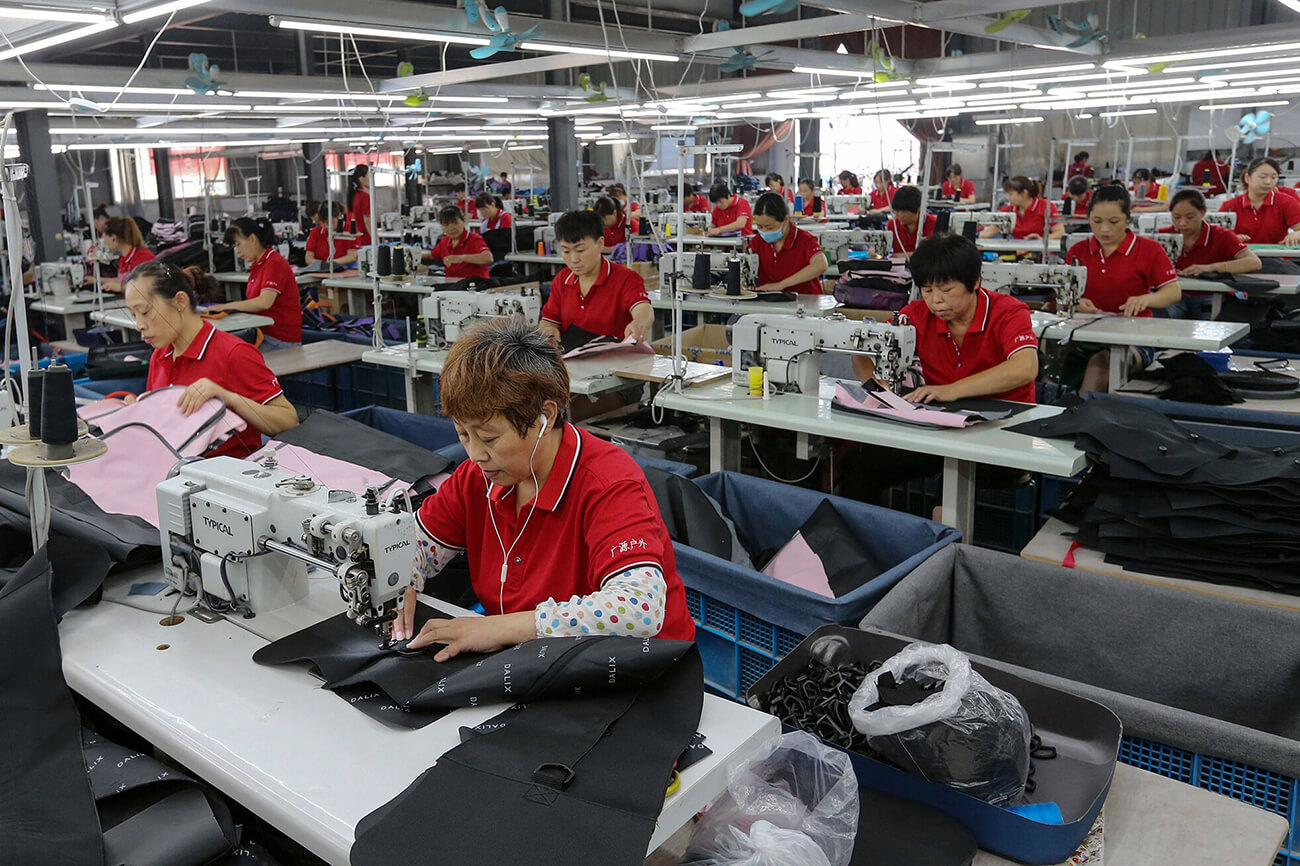
The Industrial Revolution brought about a paradigm shift in the manufacturing of bags. The invention of the sewing machine and the mechanization of textile production allowed for bags to be produced on a massive scale, making them more affordable and accessible to the general public. This era saw the rise of iconic bag styles that remain popular today, such as the sturdy canvas tote and the structured leather doctor’s bag. The expansion of railway travel further influenced bag design, necessitating the creation of durable, easily transportable luggage like the portmanteau and the valise. While mass production democratized the availability of bags, it also led to a certain homogenization of style. Bags became standardized, losing some of the unique, handcrafted charm of earlier eras. However, this very standardization eventually sparked a counter-movement. As mass-produced bags flooded the market, discerning consumers began to seek out unique, artisanal pieces that stood out from the crowd. This renewed appreciation for craftsmanship and individuality paved the way for the contemporary resurgence of Custom Bags & Accessories, as people once again sought items that reflected their personal taste.
Understanding Different Types of Bags
The Rise of the Modern Backpack
Perhaps no bag style has undergone a more dramatic transformation than the backpack. Originally designed as a purely utilitarian item for hikers, soldiers, and outdoor enthusiasts, the backpack has seamlessly integrated itself into every facet of modern life. The introduction of lightweight synthetic materials like nylon and polyester in the mid-20th century revolutionized backpack design, making them significantly lighter and more durable. The incorporation of zippers, multiple compartments, and ergonomic suspension systems further enhanced their functionality. Today, backpacks are ubiquitous, worn by schoolchildren, corporate executives, and world travelers alike. The versatility of the backpack is truly unparalleled, capable of carrying heavy textbooks, fragile electronics, and gym gear with equal ease. The evolution of the backpack also highlights a growing demand for specialized features. From integrated charging ports and padded laptop sleeves to anti-theft mechanisms and hydration system compatibility, the modern backpack is a marvel of engineering. This demand for highly specific functionality is a driving force behind the popularity of Custom Bags & Accessories, as consumers seek backpacks that perfectly cater to their unique daily routines.
The Enduring Appeal of the Tote Bag
In stark contrast to the complex engineering of the modern backpack, the tote bag is a celebration of simplicity. Characterized by its large, unfastened main compartment and parallel handles, the tote bag is the epitome of effortless utility. The origins of the modern tote can be traced back to the heavy-duty canvas ice bags used in the early 20th century. Over time, the tote transcended its utilitarian roots to become a staple of casual fashion and everyday convenience. The beauty of the tote bag lies in its accessibility; it is a bag that demands no specific organizational strategy, allowing the user to simply toss their belongings inside and go. From grocery shopping to beach trips, the tote bag is the ultimate grab-and-go companion. Furthermore, the flat, expansive surface of the canvas tote has made it a popular canvas for artistic expression, branding, and political messaging. This inherent customizability makes the tote bag a perfect example of how simple designs can be transformed into Custom Bags & Accessories, allowing individuals to broadcast their affiliations, humor, or aesthetic sensibilities to the world.
The Professionalism of Messenger Bags and Briefcases
For the modern professional, the choice of bag is a critical component of their overall presentation. The briefcase, with its rigid structure and secure closures, has long been the gold standard of corporate professionalism. It projects an image of authority, organization, and seriousness. However, as workplace dress codes have become more relaxed, the messenger bag has emerged as a popular alternative. Originally used by bicycle couriers, the messenger bag features a single strap worn across the body, allowing for easy access while on the move. The messenger bag strikes a perfect balance between the formal structure of a briefcase and the casual utility of a backpack. It is an ideal choice for navigating crowded subways, cycling to the office, or running between meetings. The materials used in these professional bags range from rich, full-grain leathers to high-performance ballistic nylons. Because the professional bag is such a visible extension of one’s career identity, the market for Custom Bags & Accessories in this sector is booming, with professionals seeking monogramming, custom interior layouts, and bespoke material combinations.
Duffel Bags and Athletic Carriers
When it comes to travel, sports, and intensive physical activity, the duffel bag reigns supreme. Named after the town of Duffel in Belgium, where the thick cloth used to make these bags originated, the duffel is characterized by its cylindrical shape and top closure. Originally popularized by military personnel who needed a durable, capacious bag for their gear, the duffel has become an essential item for athletes, gym-goers, and weekend travelers. The unstructured nature of the duffel allows it to accommodate bulky items like shoes, sports equipment, and changes of clothing with ease. Modern duffel bags often incorporate specialized features such as ventilated shoe compartments, waterproof wet pockets, and hidden backpack straps for versatile carrying options. The robust construction required for duffel bags demands high-quality materials and reinforced stitching. For sports teams, fitness enthusiasts, and frequent travelers, the ability to personalize their gear is highly valued. This is why Custom Bags & Accessories are frequently sought after in the athletic and travel sectors, allowing teams to coordinate their aesthetic or individuals to easily identify their luggage on a crowded carousel.
Clutches, Evening Bags, and Miniaturization
On the opposite end of the spectrum from the voluminous duffel bag lies the delicate world of clutches and evening bags. These diminutive carriers are designed not for maximum capacity, but for maximum aesthetic impact. Intended for formal events and evening outings, the clutch is typically handheld and just large enough to carry the barest essentials: a phone, a credit card, and a lipstick. The design of evening bags is often highly intricate, incorporating luxurious materials like silk, satin, and velvet, adorned with sequins, beads, and metallic hardware. These bags function more as pieces of jewelry than traditional luggage. The trend towards miniaturization in fashion has also seen the rise of micro-bags, which are often so small they challenge the very definition of a bag. These tiny accessories serve almost exclusively as stylistic statements. In the realm of high fashion and evening wear, exclusivity is paramount. Consequently, the demand for incredibly unique, one-of-a-kind pieces drives the market for Custom Bags & Accessories, where clients can collaborate with designers to create a clutch that perfectly complements a specific gown or personal style.
The Importance of Materials in Bag Construction
The Supremacy of Leather
No discussion of bags would be complete without a deep dive into the world of leather. For centuries, leather has been the undisputed king of bag materials, prized for its exceptional durability, flexibility, and timeless aesthetic appeal. The process of tanning animal hides to create leather is an ancient art form that has been refined over millennia. Full-grain leather, the highest quality grade, retains the natural grain of the hide, resulting in a bag that is not only incredibly strong but also develops a beautiful, unique patina over time. The aging process of a high-quality leather bag is a deeply personal journey, as the material absorbs oils from the wearer’s skin and reflects the environmental conditions it has been exposed to. Top-grain and genuine leathers offer more affordable alternatives, while still providing excellent durability. The craftsmanship involved in cutting, skiving, and stitching leather requires a high degree of skill and precision. The enduring popularity of leather makes it a favored material in the creation of Custom Bags & Accessories, as the luxurious nature of the material perfectly complements the exclusivity of a bespoke design.
Canvas and Cotton: The Fabric of Utility
While leather dominates the luxury market, canvas and cotton are the undisputed champions of everyday utility. Canvas, typically woven from cotton or linen, is renowned for its exceptional strength and resistance to tearing. Its heavy-duty nature makes it the ideal material for tote bags, duffels, and rugged outdoor backpacks. Furthermore, canvas is highly receptive to dyes and printing techniques, making it an excellent medium for vibrant colors and intricate patterns. The lightweight nature of cotton also makes it a practical choice for everyday use, offering a comfortable and breathable alternative to heavier materials. In recent years, there has been a significant resurgence in the popularity of canvas bags, driven by a growing awareness of environmental sustainability. Reusable cotton and canvas totes have become a ubiquitous symbol of the movement to reduce single-use plastics. The affordability and versatility of these materials make them a staple in the production of Custom Bags & Accessories, providing a perfect blank slate for screen printing, embroidery, and customized dye treatments.
The Synthetic Revolution: Nylon and Polyester
The mid-20th century witnessed a revolution in bag manufacturing with the introduction of synthetic fabrics, primarily nylon and polyester. These human-made materials offered unprecedented advantages in terms of weight, water resistance, and durability. Nylon, originally developed as a substitute for silk, is exceptionally strong and resilient, making it ideal for high-performance backpacks and travel gear. Ballistic nylon, an even tougher variant, was initially developed for military flak jackets and provides unparalleled resistance to abrasion and tearing. Polyester, while slightly less durable than nylon, is highly resistant to fading and wrinkling, and is generally more affordable. The introduction of these synthetic materials allowed designers to experiment with complex shapes, lightweight structures, and vibrant colors that were previously impossible to achieve. Furthermore, the advent of waterproof coatings and seam-sealing technologies transformed synthetic bags into reliable protectors of delicate electronics and gear in harsh weather conditions. The adaptability of these materials has greatly expanded the possibilities within the realm of Custom Bags & Accessories, allowing for the creation of highly specialized, weather-resistant, and performance-oriented customized gear.
The Anatomy of a Bag: Hardware and Construction
Hardware and Fastenings
While the primary material of a bag dictates its overall character, the hardware—the zippers, buckles, clasps, and rivets—determines its functionality and longevity. A high-quality bag is often distinguished by the robustness and smooth operation of its hardware. Zippers, in particular, are a critical component; a failed zipper renders a bag virtually useless. Brands like YKK have built global reputations on the reliability of their fastening systems. The aesthetic of the hardware also plays a crucial role in the bag’s design. Polished brass exudes a classic, vintage appeal, while matte black or gunmetal hardware offers a sleek, modern, and tactical aesthetic. The choice of closures—from magnetic snaps and turn-locks to traditional buckles and drawstrings—affects both the security of the contents and the ease of access. For those seeking truly unique pieces, the hardware is often a focal point of customization. When designing Custom Bags & Accessories, selecting specific hardware finishes, custom-engraved zipper pulls, or specialized locking mechanisms allows the user to elevate a standard bag into a highly personalized and functional work of art.
The Art of Stitching and Construction
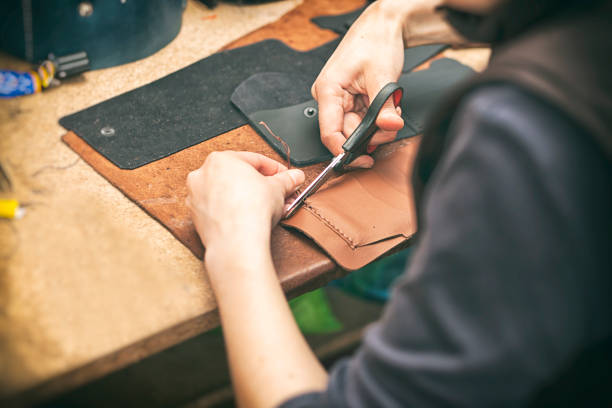
The structural integrity of a bag is ultimately dependent on the quality of its construction and stitching. Unlike clothing, which is primarily subjected to drape and stretch, bags must withstand significant load-bearing stress. This requires specialized sewing techniques and heavy-duty threads. The saddle stitch, traditionally done by hand using two needles, is renowned for its strength; unlike a machine lock-stitch, a saddle stitch will not unravel entirely if a single thread breaks. The reinforcement of stress points—where straps attach to the body of the bag—is paramount. This is often achieved through bar-tacking, riveting, or the use of heavy leather patches. The internal construction is equally important, featuring bound seams, reinforced bases, and carefully constructed linings that prevent fraying and ensure longevity. The level of craftsmanship involved in these details is what separates a disposable fashion item from a lifelong companion. Appreciating this intricate construction process highlights the immense value found in high-quality Custom Bags & Accessories, where artisanal techniques and rigorous attention to detail ensure that the customized product will endure for generations.
Modern Trends and Bag Maintenance
The Rise of Sustainable Bag Manufacturing
In the modern era, the bag industry is undergoing a profound transformation driven by a desperate need for environmental sustainability. Consumers are increasingly aware of the ecological impact of fast fashion and are demanding greater transparency and eco-friendly practices from manufacturers. This has led to a surge in the use of recycled materials, such as polyester derived from recycled plastic bottles, and repurposed nylon from discarded fishing nets. Furthermore, the leather industry is seeing a shift towards vegetable tanning processes, which utilize natural tannins found in bark and leaves, rather than toxic heavy metals like chromium. Upcycling—the process of transforming waste materials or unwanted products into new materials of better quality—has also become a prominent trend, with companies creating unique bags from old sails, seatbelts, and even fire hoses. This commitment to sustainability aligns perfectly with the philosophy behind customized carriers. By investing in a customized, high-quality piece designed to last a lifetime, consumers actively reject the cycle of disposable fashion, opting instead for enduring style and reduced environmental impact.
How to Care for Your Bags
To ensure the longevity of any bag, proper care and maintenance are absolutely essential. The specific care regimen depends entirely on the materials used in the bag’s construction. Leather bags require regular conditioning to prevent the hide from drying out, cracking, and losing its suppleness. A high-quality leather cream or oil should be applied periodically, and the bag should be kept away from direct heat sources and prolonged exposure to sunlight. If a leather bag becomes wet, it should be allowed to dry naturally at room temperature. Canvas and cotton bags are generally easier to maintain and can often be spot-cleaned with mild soap and water, or even machine-washed on a gentle cycle, depending on the manufacturer’s instructions. Synthetic bags can usually be wiped down with a damp cloth. Regardless of the material, it is crucial to avoid overstuffing bags, as this can strain the zippers and distort the bag’s shape. When investing in bespoke luggage, the manufacturer often provides specific care instructions tailored to the unique materials and finishes used, ensuring the bespoke piece remains pristine.
Storage and Preservation
When not in active use, proper storage is just as important as regular cleaning. Bags should never be crushed or tightly packed away in cramped closets. To maintain their structural integrity, structured bags, such as briefcases and certain leather totes, should be stuffed with acid-free tissue paper or bubble wrap to help them hold their shape. They should be stored in breathable dust bags—never in plastic bags, which can trap moisture and promote the growth of mold and mildew. It is also advisable to store bags in a cool, dry place, away from direct sunlight, which can fade colors and degrade materials over time. Hardware should be polished occasionally to prevent tarnishing, and zippers should be run back and forth with a small amount of beeswax to keep them operating smoothly. Taking the time to properly store and preserve your collection is a testament to the value you place on these items. This is especially true for those who collect personalized carriers, as the unique nature and often significant investment associated with these customized pieces warrant the utmost care and attention.
The Future of Bags
The Future of Carrying Technology
As we look towards the future, the evolution of the bag shows no signs of slowing down. The integration of technology into bag design is a rapidly expanding frontier. We are already seeing the proliferation of smart bags equipped with integrated solar panels for charging devices, biometric locks for enhanced security, and GPS tracking systems to prevent loss. The development of new, hyper-advanced materials, such as ultra-lightweight graphene-infused fabrics and self-healing textiles, promises to revolutionize the durability and performance of our everyday carriers. Furthermore, the concept of modularity is gaining traction, with bags designed as customizable systems of interchangeable components, allowing the user to adapt their bag to different needs on the fly. As these technological advancements become more sophisticated and accessible, the possibilities for personalization will expand exponentially. The future of tailored bag designs will likely involve not just aesthetic choices, but the integration of highly specific, personalized technological features, transforming the humble bag into a truly intelligent and adaptive companion.
Conclusion and Final Thoughts
In conclusion, the story of the bag is a continuous narrative of human ingenuity, artistic expression, and practical necessity. From the woven pouches of antiquity to the high-tech, ergonomically designed backpacks of today, the evolution of these carriers reflects our changing lifestyles and priorities. They are the silent witnesses to our daily commutes, our grandest adventures, and our most significant milestones. The modern renaissance of craftsmanship and the growing demand for personalization have elevated the bag from a mere accessory to a central element of individual style. Whether you prefer the rugged authenticity of a well-worn leather satchel, the simple utility of a canvas tote, or the sleek efficiency of a modern messenger, the perfect bag is out there. And for those who refuse to compromise, the thriving industry of personalized carrying solutions offers the ultimate solution, providing the opportunity to create a piece that perfectly encapsulates one’s unique identity and practical needs. If you are ready to embark on the journey of creating your perfect personalized carrier, reach out to us for more information and discover the unparalleled joy of carrying a bag that is truly your own.