
The global apparel landscape is undergoing a monumental, irreversible shift. For decades, the fashion industry has operated on a deeply flawed, linear model of take, make, and dispose, leaving behind a devastating environmental footprint that has polluted waterways, filled landfills, and contributed significantly to global carbon emissions. However, the modern consumer is more educated, discerning, and demanding than ever before. They want unparalleled athletic performance, they want cutting-edge style, and above all, they want uncompromised ethics. As the global demand for eco-conscious apparel skyrockets, finding the perfect Sustainable Sportswear Manufacturer has become a critical mission for brands aiming to merge high performance with environmental responsibility. If you are looking to launch an activewear line or pivot an existing brand toward greener pastures, understanding the intricacies of sustainable production is not just an optional marketing strategy—it is the very foundation of your future success. In this highly comprehensive guide, we will explore every single facet of sustainable athletic apparel, from the most innovative plant-based materials to the ethical labor practices that empower communities, showing you exactly how to navigate this rapidly evolving landscape and position your brand as an industry leader in the conscious consumer market.
![The Future of Fitness: Partnering with a Sustainable Sportswear Manufacturer]()
The Dawn of Eco-Friendly Activewear: Why Choosing the Right Sustainable Sportswear Manufacturer Matters

The concept of activewear has completely transcended the physical boundaries of the gym. Today, “athleisure” is a dominant force in everyday global fashion, meaning that the sheer volume of athletic garments produced annually has reached staggering heights. With this massive explosion in popularity comes a profound responsibility for brand owners and designers alike. Transitioning to sustainable practices is no longer just a clever marketing angle; it is an absolute ecological imperative and a fundamental business necessity for long-term survival. Partnering with the right production facility ensures that your brand is on the right side of history, actively participating in the solution rather than contributing to the ongoing problem of textile waste and environmental degradation.
The Environmental Cost of Traditional Athletic Apparel
To truly appreciate the value and necessity of eco-friendly production, we must first confront the harsh realities of traditional manufacturing. Conventional activewear relies heavily on virgin petroleum-based synthetics like standard polyester, nylon, and elastane. The extraction and refining of petroleum are incredibly energy-intensive and highly polluting processes that contribute directly to global warming. Furthermore, the dyeing and finishing phases in conventional factories often involve toxic heavy metals, azo dyes, and perfluorinated chemicals (PFAS) that inevitably find their way into local waterways, poisoning aquatic life and endangering human health. The sheer volume of water consumed—often thousands of liters for a single batch of garments—depletes local resources, leaving surrounding agricultural communities vulnerable to drought. And the damage does not stop at the factory doors. Every single time a conventionally made synthetic garment is washed, it sheds thousands of microscopic plastic fibers into our oceans, entering the food chain and wreaking havoc on marine ecosystems. This toxic legacy is exactly what the modern conscious brand must relentlessly strive to eradicate.
What Defines True Sustainability in Performance Wear?
Sustainability in fashion is an incredibly broad term, one that is frequently diluted by corporate greenwashing and vague marketing promises. True eco-consciousness requires a deeply analytical, holistic approach that scrutinizes every single step of the supply chain, leaving no stone unturned. It is not enough to simply use a five percent organic cotton blend and call the product “green.” Real sustainability encompasses the entire lifecycle of a garment—from the agricultural practices used to grow raw materials, to the specific chemistry of the dyes, the ethics of the assembly line, the transportation logistics, and the eventual end-of-life disposal or recycling of the product. When a dedicated Sustainable Sportswear Manufacturer integrates a holistic, cradle-to-grave methodology, they measure their success not just in traditional profit margins, but in measurable carbon footprint reduction, documented water conservation, and the socio-economic upliftment of their garment workers. It is an unwavering commitment to circularity, absolute transparency, and continuous, relentless improvement across all operational verticals.
Key Materials Used by a Leading Sustainable Sportswear Manufacturer
The foundation of any high-quality, premium athletic garment is its fabric. Performance wear demands highly specific technical attributes: it must stretch dynamically with the body, wick moisture away from the skin rapidly, remain highly breathable under intense exertion, and endure rigorous physical stress without losing its shape. Achieving these incredible technical feats without relying on virgin fossil fuels or chemically intensive agriculture is the true hallmark of advanced eco-friendly production.
Recycled Polyester (rPET) and Nylon: Turning Trash into Treasure
Recycled Polyethylene Terephthalate, commonly known throughout the industry as rPET, has completely revolutionized the activewear sector. By rescuing post-consumer plastic water bottles from landfills and oceans, thoroughly cleaning them, shredding them into tiny uniform flakes, and melting them down into fine, resilient yarns, manufacturers can create fabrics that boast the exact same moisture-wicking and durability profiles as virgin, petroleum-based polyester. The environmental savings of this process are immense: producing rPET requires up to 59 percent less energy and generates 32 percent fewer CO2 emissions compared to producing virgin polyester. Similarly, recycled nylon—often regenerated from discarded ocean fishing nets, industrial plastic waste, and pre-consumer fabric scraps—helps actively clean up our oceans while providing the ultra-soft, resilient stretch required for premium yoga pants, cycling shorts, and compression gear. Materials like Econyl, a prominent regenerated nylon, serve as prime examples of how circular innovation is successfully replacing extractive, destructive practices.
Organic Cotton and Bamboo: The Natural Performance Enhancers
While synthetics still dominate the high-intensity, sweat-heavy workout space, natural fibers are making a massive, highly requested resurgence in the athleisure, yoga, and low-impact market segments. Conventional cotton is notoriously thirsty and relies heavily on a toxic cocktail of chemical pesticides and synthetic fertilizers that heavily degrade soil health and routinely harm farm workers. In stark contrast, organic cotton is grown using regenerative agriculture techniques that actively build soil organic matter, sequester atmospheric carbon, and rely on natural rainfall rather than intensive, wasteful irrigation. Bamboo is another incredibly popular option, heavily prized for its natural antibacterial properties, buttery-soft hand feel, and exceptionally rapid growth cycle. However, any forward-thinking Sustainable Sportswear Manufacturer knows that bamboo must be processed using closed-loop lyocell technology—such as TENCEL—rather than the chemically toxic, traditional viscose process, ensuring that the heavy solvents used to break down the tough bamboo pulp are captured, purified, and reused indefinitely rather than dumped into rivers.
Innovative Plant-Based Alternatives and Bio-Synthetics
The absolute cutting edge of eco-activewear lies in the fascinating realm of bio-synthetics and plant-based textile innovation. We are now seeing the widespread emergence of highly technical fabrics derived from rapidly renewable resources rather than finite fossil fuels. Castor beans, for example, are being ingeniously engineered into high-performance bio-nylons that are incredibly lightweight, highly durable, and naturally thermally regulating. Algae blooms, which often choke aquatic ecosystems due to toxic agricultural runoff, are now being actively harvested, dried, and transformed into flexible, responsive foams for sneaker midsoles and premium yoga mats, actively cleaning vulnerable waterways in the process. Mycelium (mushroom leather) and spider-silk proteins created through advanced precision fermentation are also entering the research and development pipelines of top-tier facilities. By boldly moving away from petroleum and embracing the immense power of biology, the industry is setting the stage for garments that are not only carbon-neutral but potentially carbon-negative over their entire lifecycle.
![The Future of Fitness: Partnering with a Sustainable Sportswear Manufacturer]()
The Manufacturing Process: Behind the Scenes of Ethical Production
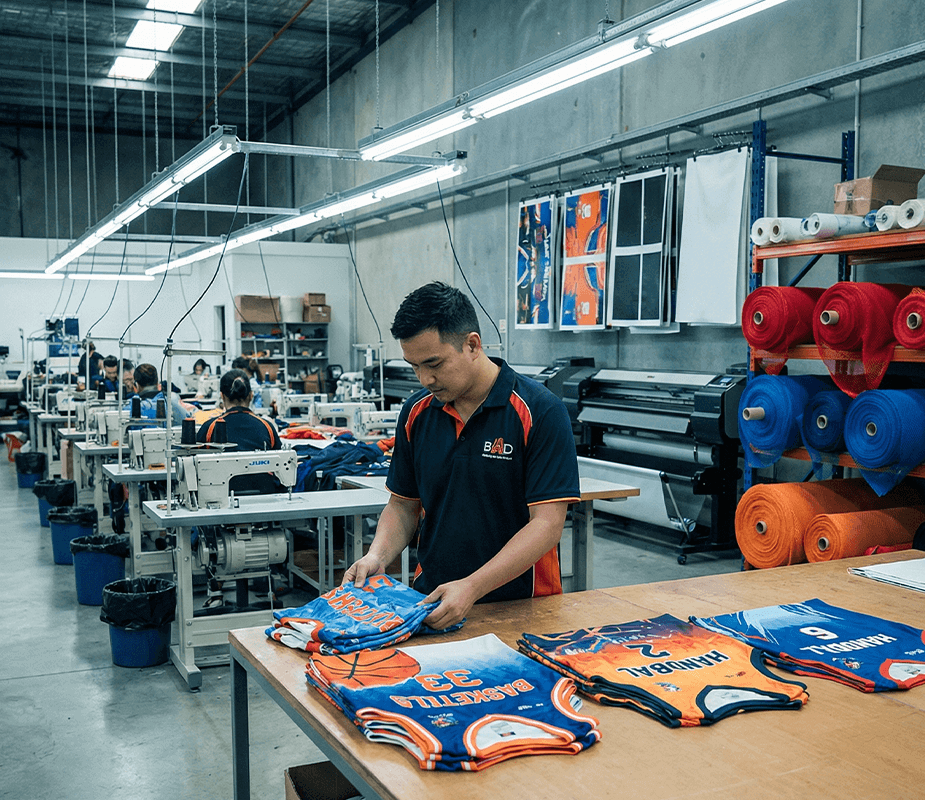
Brilliant, eco-friendly materials are only half of the complex equation. If those pristine materials are processed in a dilapidated factory that pollutes the local air, dumps chemicals into the ground, and exploits its marginalized workers, the final product cannot honestly be called sustainable under any definition. The actual cut-and-sew operations, dyeing mechanisms, and finishing processes are where the true, underlying integrity of a production partner is tested and proven.
Water Conservation and Closed-Loop Dyeing Systems
The global textile industry is universally recognized as one of the largest polluters of clean water on the planet. Traditional dyeing techniques require immense, unsustainable volumes of water, which is often subsequently discharged into local rivers as a highly toxic, chemically laden sludge. To aggressively combat this, a top-tier Sustainable Sportswear Manufacturer will utilize advanced closed-loop water filtration systems. In these state-of-the-art facilities, up to 98 percent of the water used in the dyeing process is meticulously captured, treated through reverse osmosis, and continuously recycled back into the system for the next batch. Additionally, many forward-looking factories are rapidly adopting revolutionary techniques like dope dyeing (also known as solution dyeing), where vibrant color pigments are added directly to the molten polymer before it is extruded into yarn. This completely eliminates the need for water-intensive dye baths downstream, significantly reducing both water consumption and energy usage while ensuring the resulting color is incredibly vibrant and highly fade-resistant.
Renewable Energy Integration in the Factory
The energy grid powering a factory is a major, often overlooked determinant of a brand’s overall carbon footprint. In many traditional manufacturing hubs across the global south, electricity is still generated by burning highly polluting coal or natural gas, leading to massive greenhouse gas emissions for every garment produced. True eco-conscious production facilities are actively transitioning away from fossil fuels by installing extensive solar panel arrays on their massive factory roofs, utilizing local wind power grids, and purchasing verified renewable energy credits to effectively offset any remaining baseline emissions. By relentlessly optimizing heavy machinery for energy efficiency, utilizing natural skylight architecture, and installing advanced, low-energy ventilation systems instead of industrial, power-hungry air conditioning, these factories prove beyond a doubt that large-scale garment production does not have to come at the expense of the earth’s delicate climate.
Zero-Waste Cutting and Circular Design Principles
Fabric waste is a silent, incredibly expensive epidemic in fashion manufacturing. In standard, outdated operations, up to 15 percent of a pristine fabric roll is simply discarded on the cutting room floor, destined straight for the local landfill or toxic incinerator. To combat this egregious and costly waste, advanced factories employ highly sophisticated algorithmic cutting software—such as state-of-the-art Gerber or Lectra systems—that arrange complex pattern pieces like a hyper-efficient, digital jigsaw puzzle, pushing fabric utilization rates up to 95 percent or even higher. Furthermore, any remaining, unavoidable fabric scraps are meticulously collected, sorted by specific color and material composition, and sent directly to specialized recycling facilities to be shredded and spun back into brand new yarns. This zero-waste philosophy extends deeply into the initial design phase as well, where garments are specifically engineered for maximum longevity, easy repairability, and eventual, seamless recyclability.
Why Partnering with a Certified Sustainable Sportswear Manufacturer is Crucial for Your Brand
In an era where modern consumers are highly skeptical of slick corporate marketing and incredibly sensitive to greenwashing, profound trust is your most valuable, irreplaceable brand asset. Building and maintaining that trust requires objective, uncompromising third-party verification that your environmental claims are rooted deeply in reality, not just public relations spin.
Understanding Industry Certifications: GOTS, OEKO-TEX, and Fair Trade
Global certifications serve as the ultimate gold standard of accountability in the apparel world. When you loudly claim to your customers that your garments are organic, chemically safe, and highly ethical, you need the strict documentation to back it up unequivocally. Vetting a Sustainable Sportswear Manufacturer through these stringent global standards is absolutely non-negotiable for a premium brand. The Global Organic Textile Standard (GOTS) ensures not only that the cotton is grown 100% organically without GMOs, but that every single subsequent step—from spinning to dyeing to sewing—meets strict, audited environmental and social criteria. The OEKO-TEX Standard 100 certification guarantees that the final finished garment has been rigorously tested for hundreds of harmful, hidden substances, ensuring it is completely safe for direct human skin contact. Meanwhile, Fair Trade certification focuses heavily on the vital human element, ensuring that all workers receive a true living wage, operate daily in safely monitored conditions, and receive additional, democratically managed community development premiums. Choosing a fully certified partner instantly elevates your brand’s credibility and mitigates immense public relations risk.
Transparency and Traceability in the Supply Chain
Modern, educated consumers desperately want to know the true story behind their clothing. They want to know exactly who made it, where it came from, and what its true impact was on the planet. A highly responsible production partner will offer complete, unhindered traceability, mapping out the entire complex journey from the raw fiber farm to the finished, packaged product. We are now seeing the exciting integration of blockchain technology and unique scannable QR codes directly on garment hangtags, allowing a curious customer to scan their new yoga pants in-store and instantly see the specific organic farm the cotton came from, the audited factory where it was sewn, and the exact calculated carbon footprint of the item. This level of radical, fearless transparency transforms a simple garment into a highly compelling narrative, deeply engaging the consumer and fostering fierce, long-lasting brand loyalty.
Building Consumer Trust Through Verifiable Claims
Greenwashing—the deceptive practice of making misleading, exaggerated, or wholly unsubstantiated claims about the environmental benefits of a product—is rampant and widely despised in the modern fashion industry. Brands that are caught greenwashing by savvy consumers or watchdog groups suffer severe, often entirely irreparable reputational damage. By choosing to work intimately with a fully certified and transparent manufacturing partner, you deeply empower your marketing and public relations teams to make bold, entirely factual claims. You can speak definitively and proudly about the exact number of plastic bottles recycled into a specific hoodie, or the exact, measurable amount of water saved during your production run. Hard, verifiable data is the ultimate antidote to consumer skepticism. When your community fundamentally trusts that your brand walks the talk, they effortlessly become your lifelong advocates, driving massive organic growth through enthusiastic word-of-mouth recommendations.
The Social Impact of Ethical Garment Production
We cannot honestly discuss environmental sustainability without equally discussing fundamental human rights. A beautiful garment cannot be considered truly “clean” or “green” if it was produced in a sweltering sweatshop under highly exploitative, dangerous conditions. The social pillar of sustainability is just as vital, if not more so, than the environmental one.
Fair Wages and Safe Working Conditions
Historically, the fast-fashion industry has relentlessly chased the absolute cheapest labor across the globe, leading to a devastating race to the bottom that has directly resulted in poverty wages, excessive forced overtime, and notoriously unsafe, life-threatening working environments. A dedicated Sustainable Sportswear Manufacturer prioritizes the health, safety, and long-term economic wellbeing of its entire workforce above all else. This means committing to paying a true, calculated living wage—an income that is scientifically sufficient to afford a decent, dignified standard of living for the worker and their family, fully covering nutritious food, clean water, safe housing, education, healthcare, and discretionary savings—rather than merely adhering to the legal minimum wage, which is often vastly inadequate and keeps families trapped in poverty in developing nations. Safe working conditions involve robust, modern ventilation to prevent respiratory illness, highly ergonomic machinery to prevent repetitive strain, strict, audited fire safety protocols, and zero-tolerance policies against harassment, gender discrimination, and any form of child or forced labor.
Empowering Local Communities and Workers
True ethical manufacturing goes far beyond the four physical walls of the factory; it actively extends deep into the surrounding local community. Progressive, forward-thinking manufacturers heavily invest in their people. They boldly offer on-site, fully subsidized childcare facilities, free comprehensive healthcare clinics, and continuing education programs that expertly teach financial literacy, advanced computer skills, and management training. By actively providing clear paths to upward mobility and deeply empowering workers—the vast majority of whom are traditionally marginalized women—these cutting-edge facilities become powerful engines of localized, sustainable economic growth. When you actively choose to produce your athletic wear in such a profoundly positive environment, your financial investment directly contributes to global poverty alleviation and widespread women’s empowerment, adding a profound, deeply resonant layer of purpose to your brand’s overarching mission.
How a Sustainable Sportswear Manufacturer Drives Innovation
Sustainability and elite high performance are absolutely no longer mutually exclusive concepts. In fact, the aggressive industry push for greener, cleaner materials has sparked a massive wave of technological innovation that is rapidly resulting in superior athletic garments that vastly outperform their conventional, highly toxic counterparts.
Advanced Moisture-Wicking and Anti-Odor Technologies
Traditional activewear relies heavily on cheap, chemical-laden finishes to achieve necessary moisture-wicking and anti-odor properties. However, these harsh finishes—such as silver nanoparticles and persistent PFAS chemicals—can be highly toxic to aquatic life when they inevitably wash out in the consumer’s laundry and enter the municipal water supply. Today’s highly eco-conscious manufacturers are pioneering incredibly advanced, safe, bio-based alternatives. For instance, natural peppermint oil treatments and advanced crustacean-shell chitosan are being expertly applied to fabrics to safely neutralize odor-causing bacteria without harming the delicate environment. Furthermore, the actual physical structure of recycled yarns is being intelligently engineered at a microscopic, cross-sectional level to pull moisture away from the skin mechanically via capillary action, rather than relying on chemical coatings. These brilliant innovations ensure that the wearer stays perfectly dry, comfortable, and odor-free during an intense, grueling workout, all without contributing a single drop to global chemical pollution.
Durability and Longevity: The Antidote to Fast Fashion
The absolute most sustainable garment on the planet is the one you already own and wear constantly. Fast fashion relies heavily on the cynical concept of planned obsolescence—intentionally making cheap clothes that rapidly fall apart, stretch out, or heavily pill, thereby forcing the consumer to quickly buy more. Conversely, the ultimate goal for a Sustainable Sportswear Manufacturer is to create premium garments that are virtually indestructible under normal use. By employing highly advanced, dense knitting techniques, utilizing reinforced, chafe-free flatlock stitching, and sourcing high-quality, ultra-resilient yarns, these elite factories produce activewear that can easily endure years of intense, daily workouts and countless aggressive wash cycles without pilling, fading, or losing its compressive shape. By relentlessly prioritizing longevity over quick turnover, you dramatically reduce the calculated carbon footprint per wear of the garment and provide your extremely loyal customers with unparalleled, lasting value and quality.
Overcoming Challenges in Eco-Friendly Athletic Apparel Production
While the long-term benefits of sustainable production are highly undeniable and deeply rewarding, the initial journey is certainly not without its hurdles. Brands looking to make the green transition must intelligently navigate a highly complex landscape of global supply chain logistics, fluctuating material availability, and nuanced pricing strategies.
Navigating Supply Chain Disruptions and Material Shortages
The global demand for premium recycled and certified organic materials is currently surging at an unprecedented rate, which can occasionally lead to frustrating supply bottlenecks. Unpredictable global events, extreme climate fluctuations severely affecting organic cotton harvests, and complex logistical shipping disruptions can occasionally delay strict timelines. To smartly mitigate these risks, top-tier manufacturers aggressively maintain robust, highly diversified supplier networks and engage in incredibly rigorous, data-driven forecasting. They actively build strong, long-term, mutually beneficial relationships with premium material mills, ensuring they have VIP priority access to high-quality eco-fabrics even in times of intense global scarcity. Brands must intimately work closely with their production partners, heavily maintaining open lines of honest communication and allowing for slightly flexible lead times to successfully accommodate the complex realities of ethical global sourcing.
Balancing Cost, Performance, and Ecological Footprint
There is a stubborn, persistent industry myth that sustainable clothing is simply prohibitively expensive to produce and scale. While it is certainly true that certified organic cotton and premium recycled polymers do command a higher price premium over cheap, conventional virgin materials, partnering with a skilled Sustainable Sportswear Manufacturer helps intelligently mitigate these upfront costs through hyper-efficient, zero-waste manufacturing practices, highly streamlined logistics, and powerful economies of scale. Furthermore, the modern, highly educated consumer completely understands the “true cost” of a quality garment and is overwhelmingly willing to pay a justified premium for premium products that perfectly align with their deeply held personal values. Brands must strategically view the slightly higher initial unit cost not as a financial penalty, but rather as a highly lucrative long-term investment in superior product quality, highly ethical, bulletproof marketing, and massive long-term brand equity.
The Business Case for Eco-Conscious Activewear
If the immense moral and pressing environmental imperatives are somehow not enough to firmly sway your strategic direction, the hard financial data is overwhelmingly compelling. The sustainable fashion market is definitively one of the absolute fastest-growing, most lucrative segments in the entire global retail industry, presenting a truly massive, unprecedented opportunity for brands properly positioned to capture it.
Shifting Consumer Demographics and Purchasing Power
Generation Z and younger Millennials now officially make up the largest, most powerful segment of the global consumer market, and their daily purchasing habits are profoundly and permanently influenced by Environmental, Social, and Governance (ESG) criteria. These highly influential cohorts actively seek out and enthusiastically promote brands that share their core values, and they are notoriously quick to publicly boycott and shame those that stubbornly do not. They rigorously research corporate supply chains, loudly demand absolute transparency, and passionately champion true eco-conscious labels on massive social media platforms. By authentically aligning your activewear brand with strict green principles, you directly and powerfully appeal to a massive demographic that wields trillions of dollars in global purchasing power, effectively future-proofing your business against rapidly shifting cultural tides and ensuring massive long-term relevance.
Brand Loyalty and Long-Term Profitability
The calculated lifetime value (LTV) of a truly eco-conscious consumer is exceptionally high compared to a fast-fashion shopper. Because highly sustainable garments are often rightly viewed as long-term investment pieces rather than cheap, disposable seasonal trends, customers quickly develop a very deep, highly emotional connection to the responsible brands they choose to support. When you consistently deliver a phenomenal product that performs flawlessly and beautifully in the gym while simultaneously doing verifiable good for the planet and its people, you instantly create a brand evangelist—a highly dedicated customer who will passionately, relentlessly recommend your brand to their entire fitness community. This organic, highly authentic word-of-mouth marketing drastically and permanently reduces expensive customer acquisition costs (CAC) and drives highly sustainable, massive long-term profitability that far outpaces traditional, highly wasteful fast-fashion business models.
Step-by-Step Guide to Sourcing a Sustainable Sportswear Manufacturer
You clearly understand the deeply important ‘why’ and the highly technical ‘what.’ Now, let us confidently delve into the practical ‘how.’ Smoothly transitioning your entire activewear line to a truly greener model requires a highly strategic, methodical, and careful approach to sourcing the absolute right production partner.
Defining Your Brand’s Sustainability Goals
Before you even begin reaching out to various global factories, you must clearly and precisely define exactly what sustainability means for your specific, unique brand. Are you currently focusing primarily on massively reducing ocean plastics by exclusively using certified rPET? Are you deeply passionate about soil health and regenerative agriculture, wanting to aggressively use 100% GOTS-certified organic cotton? Is your primary, overarching goal to quickly achieve a fully circular, completely zero-waste operation? By firmly establishing clear, highly measurable Key Performance Indicators (KPIs) and drafting a strict, non-negotiable code of conduct for your brand, you create a powerful framework that will carefully guide your entire vetting process and ensure you only engage with factories that align perfectly and seamlessly with your unique mission.
Asking the Right Questions During the Vetting Process
Do not be afraid to heavily interrogate your potential global partners. A transparent Sustainable Sportswear Manufacturer will eagerly and proudly answer your most difficult, probing questions and readily provide extensive documentation to back up their lofty claims. Directly ask them for their most recent, unedited audit reports (such as rigorous SMETA or SA8000 audits). Firmly request a highly detailed breakdown of their factory waste management and toxic wastewater treatment protocols. Carefully inquire deeply about their tier-two and tier-three suppliers—where exactly are they getting their raw yarns and chemical dyes? Do they secretly subcontract work to unvetted, dangerous shadow facilities during peak production seasons? A factory’s eager willingness to be completely open, honest, and highly transparent during this initial vetting phase is an incredibly strong indicator of exactly how they will professionally handle your massive production runs.
Minimum Order Quantities (MOQs) and Scalability
One of the absolute biggest operational challenges for emerging sustainable brands is carefully managing initial inventory to prevent massive overproduction, which is inherently wasteful and highly damaging to cash flow. Actively seek out premium manufacturing partners that offer highly flexible Minimum Order Quantities (MOQs). While slightly lower MOQs often mean a marginally higher cost per unit, they powerfully allow you to safely test the market with exciting new styles without recklessly committing to thousands of pieces that might sit in a warehouse and eventually end up in a landfill. As your successful brand rapidly grows, strictly ensure that your chosen factory has the immense capacity, advanced machinery, and robust infrastructure to scale production massively alongside you, flawlessly maintaining their strict ethical standards and rigorous quality controls even as your order volumes increase significantly year over year.
The Future of the Athletic Apparel Industry
The powerful sustainable activewear movement is absolutely not a passing, fleeting trend; it is the permanent, highly necessary evolution of the entire global textile industry. As green technology rapidly advances at a breakneck pace, we are currently standing on the precipice of even more radical, mind-blowing breakthroughs that will completely redefine how we historically create, use, and eventually consume high-performance apparel.
Biodegradable Fabrics and End-of-Life Solutions
The utopian concept of total circularity is rapidly becoming a highly tangible reality. Brilliant material innovators are aggressively developing bio-engineered polyesters and highly advanced natural blends that will allow worn-out garments to fully and safely biodegrade in a standard commercial compost facility at the strict end of their usable life, leaving behind absolutely zero toxic microplastic residue. We are rapidly moving toward a beautiful future where, instead of mindlessly throwing an old pair of leggings in the municipal trash, educated consumers can easily return them directly to the brand to be biologically recycled into raw chemical building blocks, or composted safely back into the fertile earth, completely closing the loop and effectively eliminating textile waste once and for all.
3D Knitting, AI, and On-Demand Production
Massive advancements in incredibly precise seamless 3D knitting technology are currently poised to utterly revolutionize modern manufacturing by perfectly knitting a complex garment entirely in one continuous piece directly from the yarn cone, drastically reducing fabric cutting waste to absolutely zero. Furthermore, the highly sophisticated integration of advanced Artificial Intelligence in predictive retail analytics powerfully allows brands to incredibly accurately forecast consumer demand, effectively shifting the massive industry from a highly wasteful, speculative “push” model to a highly efficient, lean “pull” model. In the very near future, hyper-localized, ultra-fast on-demand micro-factories could easily produce custom-fit, premium activewear precisely when the customer actually orders it online, drastically cutting down on massive overproduction, immense warehousing energy, and highly polluting international shipping emissions.
Elevate Your Brand with Omni Custm
The incredibly rewarding journey to creating a massively successful, highly profitable, eco-friendly activewear line is undeniably complex, but you absolutely do not have to navigate it alone in the dark. The absolute right production partner effectively acts as a seamless extension of your own internal team, expertly guiding you safely through every single technical challenge, mitigating massive risks, and joyously celebrating every successful milestone with you.
Your Dedicated Partner in Conscious Creation
At Omni Custm, we deeply understand that successfully building a globally recognized, beloved activewear brand requires vastly more than just great fashion designs; it requires absolute unwavering integrity, unparalleled technical excellence, and a truly deep, abiding respect for the planet and its people. We pride ourselves fiercely on being at the absolute bleeding edge of sustainable innovation, proudly offering you VIP access to the world’s finest certified recycled materials, the absolute most advanced eco-friendly closed-loop dyeing technologies, and a robust supply chain that is radically transparent, deeply ethical, and fully, independently certified. We expertly handle all the immense complexities of highly ethical manufacturing so that you and your team can focus exclusively on what you do best: inspiring your global community, creating brilliant designs, and massively growing your brand. When you are completely ready to finally collaborate with the ultimate Sustainable Sportswear Manufacturer, we invite you to contact us. Together, we can efficiently create premium, high-performance apparel that beautifully moves the human body while fiercely protecting the precious earth we all share.