
Introduction to Premium Athletic Wear
Welcome to the ultimate guide on sourcing and creating premium athletic outerwear. In today’s highly competitive sportswear market, standing out requires more than just slapping a logo on a generic garment. To truly resonate with athletes, fitness enthusiasts, and athleisure aficionados, brands must deliver exceptional quality, innovative designs, and perfect fits. This is precisely where collaborating with a top-tier Custom Sports Jackets Manufacturer becomes your ultimate competitive advantage. By partnering with experts who understand the nuances of performance fabrics, ergonomic tailoring, and cutting-edge production techniques, you can transform your vision into tangible, high-demand products that elevate your brand’s reputation and bottom line. The global activewear market has seen exponential growth over the past decade, driven by a cultural shift towards health, wellness, and versatile apparel that transitions seamlessly from the gym to everyday life. Consequently, consumer expectations have never been higher. Shoppers demand jackets that offer breathability, weather resistance, and unrestricted movement without compromising on style. Meeting these demands requires meticulous attention to detail throughout the entire supply chain, from the initial sketch to the final stitch. In this comprehensive resource, we will explore the intricate world of athletic jacket production, unpacking everything you need to know to navigate this complex but rewarding industry. Whether you are launching a new activewear startup or scaling an established brand, understanding the manufacturing process is the key to delivering products that your customers will love and rely on. By deeply analyzing the anatomy of a jacket, the properties of advanced textiles, and the logistics of global supply chains, you will be equipped to make informed, strategic decisions that set your brand apart in a crowded marketplace.
The Evolution of Sports Jackets: From Utility to High Fashion
The history of the sports jacket is a fascinating journey from purely utilitarian roots to its current status as a cornerstone of modern fashion. Decades ago, athletic outerwear was primarily designed for function, heavily prioritizing warmth and weather protection over aesthetics. Early designs were often bulky, utilizing heavy cottons, wools, and early synthetic blends that, while durable, lacked the flexibility and breathability required for high-intensity activities. As sports science advanced, so too did the apparel worn by athletes. The introduction of lightweight nylons, polyesters, and sophisticated elastane blends revolutionized the industry, allowing for the creation of garments that moved symbiotically with the human body. Today, the lines between athletic wear and everyday fashion are completely blurred. High-fashion houses collaborate with sportswear brands to release highly coveted, limited-edition jackets that fetch premium prices on the resale market. This evolution highlights the importance of design and aesthetics in modern athletic outerwear. Consumers no longer want a jacket just for running; they want a piece that looks stylish during a post-workout brunch or a casual weekend outing. Recognizing this shift is vital for brands aiming to capture market share. Designing a successful jacket means balancing cutting-edge performance features with contemporary silhouettes, bold color palettes, and minimalist branding that appeals to the modern consumer’s refined sensibilities. The contemporary sports jacket is a statement piece, reflecting the wearer’s active lifestyle while serving as a functional tool for athletic performance.
Why Partnering With a Custom Sports Jackets Manufacturer Matters
Choosing to work with a dedicated manufacturing partner is one of the most critical decisions a sportswear brand can make. A generic supplier might offer off-the-shelf solutions, but a specialized manufacturing partner brings a wealth of expertise specific to athletic apparel. They understand the rigorous demands placed on sportswear and the technical requirements necessary to meet them. From sourcing specialized four-way stretch fabrics to implementing advanced seam-sealing techniques, their knowledge ensures that your products perform flawlessly under pressure. Furthermore, a dedicated partner provides an unparalleled level of customization. Instead of selecting from pre-existing templates, you have the freedom to design every aspect of the garment, from the cut and fit to the hardware and finishing touches. This is why partnering with a specialized manufacturing partner matters so deeply to the trajectory of your business. This level of control is essential for building a cohesive and distinctive brand identity. When customers purchase a jacket from your brand, they should instantly recognize the quality and unique design language that sets you apart from the competition. Additionally, a strong relationship with your manufacturing partner can lead to better pricing, more flexible minimum order quantities, and faster turnaround times, all of which are crucial for maintaining a healthy and profitable business in a fast-paced retail environment. By leveraging their industry connections and technical know-how, you can streamline your operations and focus on scaling your brand to new heights.
![Weather the Elements with a Custom Sports Jackets Manufacturer]()
Key Fabrics and Materials Used in Performance Jackets
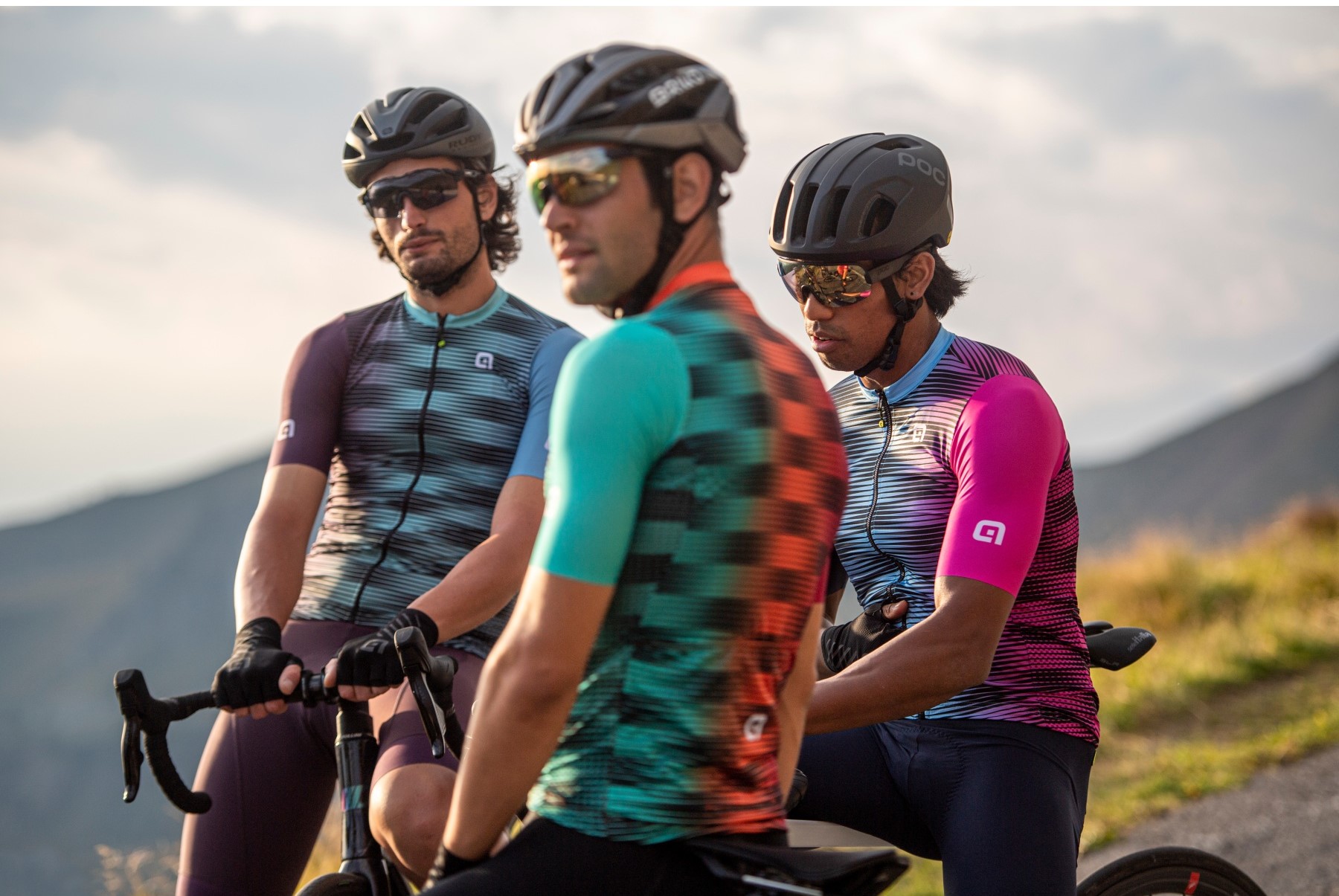
The foundation of any exceptional athletic garment lies in the materials used to construct it. The selection of fabrics determines the jacket’s weight, durability, breathability, and overall performance characteristics. Modern sportswear utilizes a diverse array of advanced textiles, each engineered to serve a specific purpose. Understanding these materials is essential for creating a product that meets the specific needs of your target audience, whether they are ultra-marathon runners requiring featherlight windbreakers or winter sports enthusiasts in need of heavy-duty thermal insulation. Synthetic fibers like polyester and nylon remain the industry standard due to their exceptional durability, moisture-wicking capabilities, and ability to hold vibrant dyes. However, the exact composition and weave of these fibers can vary wildly, resulting in vastly different fabrics. For instance, a tightly woven ripstop nylon offers excellent wind and water resistance, making it ideal for outer shells, while a brushed polyester fleece provides exceptional warmth and a soft hand feel, perfect for mid-layers. The strategic combination of these different fabrics within a single garment, often referred to as body mapping, allows designers to optimize performance by placing specific materials exactly where they are needed most. The continuous advancement in textile engineering provides brands with an ever-expanding palette of materials to innovate and push the boundaries of athletic apparel design.
Breathability and Moisture-Wicking Properties
During intense physical exertion, the human body produces a significant amount of sweat to regulate its core temperature. If this moisture is trapped against the skin, it can lead to discomfort, chafing, and a rapid drop in body temperature once the activity ceases. Therefore, breathability and moisture-wicking properties are non-negotiable features in high-performance sports jackets. Moisture-wicking fabrics are engineered to pull sweat away from the skin and disperse it across the outer surface of the garment, where it can evaporate quickly. This is typically achieved through the use of synthetic fibers with specialized capillary structures that facilitate the rapid movement of moisture. Breathability, on the other hand, refers to the fabric’s ability to allow water vapor to escape from within the garment. This is often achieved through the use of microporous membranes or highly permeable weaves. Balancing wind and water resistance with breathability is one of the most significant challenges in outerwear design. Innovative technologies, such as laser-cut ventilation holes and strategically placed mesh panels, are often employed to enhance airflow in high-heat areas, ensuring that the wearer remains dry and comfortable regardless of the intensity of their workout. Mastering this delicate balance is what separates premium sportswear from mediocre, unwearable alternatives.
Weather-Resistant Coatings and Membranes
Athletes cannot always dictate the weather conditions in which they train, making weather-resistant apparel a vital component of any athletic wardrobe. Protecting the wearer from rain, wind, and snow without compromising breathability requires the use of advanced coatings and membranes. Durable Water Repellent (DWR) coatings are frequently applied to the outer surface of jackets to encourage water to bead up and roll off the fabric, preventing it from becoming saturated. While highly effective, traditional DWR coatings have come under scrutiny due to their environmental impact, leading to a surge in the development of eco-friendly, fluorine-free alternatives. For more extreme weather conditions, waterproof-breathable membranes, such as PTFE or polyurethane laminates, are utilized. These membranes contain microscopic pores that are large enough to allow water vapor to escape but small enough to prevent liquid water from penetrating. Constructing a fully waterproof jacket also requires meticulous attention to detail during the manufacturing process, specifically the sealing of all seams with waterproof tape to prevent water from seeping through the stitch holes. This level of technical construction is a hallmark of premium athletic outerwear and requires specialized equipment and expertise that only a premier factory can consistently deliver.
Eco-Friendly Innovations from Top Manufacturers
The apparel industry is undergoing a massive transformation as consumers and brands alike become increasingly aware of the environmental impact of clothing production. Sustainability is no longer a niche trend; it is a fundamental requirement for modern brands. An innovative Custom Sports Jackets Manufacturer is at the forefront of this movement, offering a wide range of eco-friendly materials and production techniques. Recycled polyester, derived from post-consumer plastic bottles, has become a staple in sustainable sportswear, offering the same performance characteristics as virgin polyester while significantly reducing the reliance on petroleum-based feedstocks. Additionally, the use of organic cotton, regenerated nylon (such as ECONYL), and bio-based synthetics derived from renewable resources like castor beans is rapidly gaining traction. Beyond material selection, sustainable manufacturing encompasses ethical labor practices, reduced water usage in dyeing processes, and the implementation of circular design principles that facilitate the recycling of garments at the end of their lifecycle. By prioritizing sustainability, brands can not only reduce their environmental footprint but also appeal to a growing demographic of conscious consumers who actively seek out eco-friendly products, thereby future-proofing their business model and contributing to a healthier planet.
![Weather the Elements with a Custom Sports Jackets Manufacturer]()
The Anatomy of a High-Performance Sports Jacket
Designing a high-performance sports jacket requires a deep understanding of human anatomy and the specific biomechanics of the intended activity. A jacket designed for cycling, with its dropped tail hem and elongated sleeves, will look and function very differently from a jacket designed for rock climbing, which requires maximum articulation in the shoulders and arms. The anatomy of a sports jacket encompasses a multitude of interconnected elements, from the foundational cut and sew pattern to the specific hardware used. Every design decision must be deliberate, focusing on enhancing the wearer’s experience and removing any potential distractions or discomforts. The fit is arguably the most critical element. An overly loose jacket will catch the wind and create drag, while an overly tight jacket will restrict movement and limit layering options. Achieving the perfect fit involves utilizing articulated patterning, which incorporates the natural curves and bends of the body into the flat pattern pieces. This complex process requires skilled pattern makers and extensive fit testing across a diverse range of body types to ensure the garment performs flawlessly in motion. Only through rigorous iteration and an uncompromising commitment to anatomical precision can a truly exceptional jacket be realized.
Ergonomic Seams and Flexibility
The placement of seams plays a crucial role in the comfort and mobility of an athletic jacket. Traditional straight seams, particularly those located on the shoulders or under the arms, can cause severe chafing and restrict a full range of motion. To combat this, performance outerwear heavily utilizes ergonomic seaming techniques. Raglan sleeves, which extend in one piece fully to the collar, eliminate the shoulder seam entirely, providing unrestricted movement and preventing irritation when wearing a backpack or hydration vest. Additionally, the use of flatlock stitching creates a low-profile seam that sits completely flat against the skin, further minimizing the risk of chafing. Gussets—diamond or triangular inserts of fabric—are frequently incorporated into the underarm area to allow for maximum overhead reach without lifting the entire body of the jacket. The integration of four-way stretch fabrics, typically incorporating elastane or spandex, is also essential for providing the necessary flexibility. These fabrics move synergistically with the body, snapping back into shape immediately after being stretched, ensuring the garment retains its form and function over time, wash after wash and workout after workout.
Specialized Zippers, Vents, and Pockets
The hardware and detailing on a sports jacket are not merely functional necessities; they are critical components that significantly impact the garment’s overall performance and usability. Zippers, for example, must be carefully selected based on the jacket’s intended use. A waterproof shell requires an aquaguard zipper to prevent water ingress, while an ultralight windbreaker might utilize a minimalist, low-profile zipper to save weight. The inclusion of two-way zippers allows for adjustable ventilation from both the top and the bottom, which is particularly useful during high-output activities. Ventilation is further enhanced through the strategic placement of vents. Pit zips, located under the arms, provide rapid heat dumping when needed, while mesh-lined back vents allow for continuous airflow without compromising weather protection. Pockets must also be designed with intention. A runner might need a small, secure pocket for a key and a gel, whereas a backcountry skier requires large, easily accessible pockets capable of holding climbing skins and heavy gloves. The placement of these pockets must be carefully considered to ensure they do not interfere with harnesses, backpacks, or the wearer’s natural movement, adding genuine utility rather than unnecessary bulk.
Insulation vs. Lightweight Shells
Determining the appropriate level of warmth is a fundamental aspect of jacket design, dictated heavily by the end-use environment. Any reliable Custom Sports Jackets Manufacturer will offer a variety of insulation options to suit different climates and activities. Lightweight shells, often referred to as windbreakers or rain shells, provide no inherent insulation but serve as a critical barrier against the elements. They are designed to be layered over moisture-wicking base layers and thermal mid-layers, offering maximum versatility and adaptability in changing weather conditions. Conversely, insulated jackets are designed to trap body heat and provide exceptional warmth in frigid environments. Insulation falls into two primary categories: natural down and synthetic fill. Down offers an unparalleled warmth-to-weight ratio and exceptional compressibility, but it loses its insulating properties when wet. Synthetic insulation, while slightly heavier and less compressible, retains its ability to keep the wearer warm even when completely saturated, making it the preferred choice for high-intensity activities in damp conditions. Advanced manufacturing techniques, such as body-mapped insulation, allow for the strategic placement of different weights or types of insulation within a single garment, maximizing warmth around the vital organs while minimizing bulk in the arms and underarms to enhance mobility and comfort.
How a Custom Sports Jackets Manufacturer Elevates Your Brand
The impact of a high-quality manufacturing partner extends far beyond the physical creation of a garment. A skilled Custom Sports Jackets Manufacturer elevates your brand by ensuring consistency, scaling production efficiently, and infusing your products with a level of professionalism that resonates with consumers. In an era where brand reputation is heavily scrutinized on social media and online reviews, the quality of your product is your most powerful marketing tool. A poorly constructed jacket with failing zippers or uneven stitching can irreparably damage a brand’s image, while a meticulously crafted garment can cultivate intense brand loyalty and generate invaluable word-of-mouth recommendations. A dedicated manufacturer acts as an extension of your own team, bringing specialized knowledge and technical capabilities that are incredibly difficult and expensive to replicate in-house. They provide access to the latest fabric innovations, advanced construction techniques, and streamlined supply chain logistics, allowing you to focus your energy and resources on design, marketing, and brand building. Ultimately, they transform your creative concepts into high-yielding physical assets that define your brand’s standing in the market.
Private Label Solutions and Brand Identity
Establishing a strong, recognizable brand identity is essential for long-term success in the sportswear market. Private label manufacturing offers the perfect solution for brands seeking to create proprietary products without the massive overhead associated with owning and operating their own factories. Through private labeling, you retain complete ownership of the design and the branding, while the manufacturer handles the complexities of production. This includes the application of custom neck labels, branded hardware (such as custom zipper pulls), unique colorways, and proprietary prints. These details, while seemingly small, are crucial for distinguishing your products from generic, off-the-shelf alternatives. A cohesive and well-executed brand identity communicates professionalism and quality to the consumer. When a customer unpacks your jacket, every element, from the swing tags to the internal seam taping, should reinforce your brand’s core values and aesthetic vision. This attention to detail transforms a simple piece of clothing into a premium product experience, justifying higher retail price points and fostering deep customer loyalty that transcends seasonal trends.
Tailored Fits for Diverse Demographics
The concept of a “one size fits all” approach is entirely obsolete in modern apparel design, particularly in the realm of athletic wear. Consumers come in all shapes and sizes, and they expect their clothing to fit perfectly and flatter their unique physiques. Addressing this diversity requires a sophisticated approach to sizing and grading. Working with experienced pattern makers allows brands to develop tailored fits that cater to specific demographics, whether that involves offering extensive inclusive sizing ranges (from XXS to 4XL), creating specialized fits for tall or petite individuals, or developing entirely distinct silhouettes for different body types. The grading process—the mathematical scaling of a base pattern to create the full range of sizes—is a highly technical skill that requires precision and expertise. A poorly graded pattern can result in garments that fit awkwardly in larger or smaller sizes, leading to high return rates and dissatisfied customers. Investing in meticulous fit development ensures that every customer, regardless of their size, experiences the same level of comfort, mobility, and performance, significantly broadening your brand’s appeal and market reach across diverse populations.
Scalability and Minimum Order Quantities (MOQs)
One of the most significant challenges for emerging apparel brands is navigating the financial constraints associated with inventory management and production scaling. Factories typically require Minimum Order Quantities (MOQs) to ensure that their production lines run efficiently and profitably. High MOQs can tie up a massive amount of capital in inventory, presenting a substantial risk for new brands testing the market. However, a supportive manufacturing partner understands these challenges and will often offer flexible MOQs to help emerging brands get off the ground. As your business grows, the ability of your manufacturer to scale production quickly and efficiently becomes paramount. A sudden surge in demand, perhaps driven by a viral marketing campaign or a high-profile endorsement, can quickly deplete your inventory. If your manufacturer cannot increase production capacity to meet this demand, you risk stockouts, lost sales, and severe damage to your brand’s momentum. Therefore, selecting a partner with robust infrastructure, scalable production capabilities, and access to a reliable supply chain is crucial for long-term, sustainable growth and operational stability.
The Customization Process: From Concept to Production
The journey from a fleeting idea to a physical, market-ready sports jacket is a complex and highly collaborative process that requires clear communication, technical expertise, and rigorous attention to detail. This process is generally broken down into several distinct phases, each critical to the success of the final product. Skipping or rushing through any of these phases can lead to costly mistakes, production delays, and ultimately, a subpar garment. A structured and methodical approach ensures that the final product perfectly aligns with your original vision while meeting all necessary performance and quality standards. The process begins with deep research and ideation, analyzing market trends, identifying target demographics, and establishing the core functional requirements of the jacket. This foundational work provides the necessary context for the design phase, guiding decisions regarding fabric selection, silhouette, and feature sets. Throughout this entire journey, the relationship between the brand and the manufacturer is paramount, requiring constant dialogue, feedback, and mutual trust to navigate the inevitable challenges that arise during product development and to ensure the final output exceeds market expectations.
Ideation, Sketching, and Tech Packs
When you approach a Custom Sports Jackets Manufacturer, the first step is transforming your concepts into actionable technical documents. This begins with detailed sketching and rendering, visualizing the garment from multiple angles and highlighting key design features. However, a sketch alone is insufficient for manufacturing. The cornerstone of the production process is the Tech Pack (Technical Package). A Tech Pack is a comprehensive blueprint that dictates every single detail of the garment’s construction. It includes flat technical drawings (CADs), exact measurements and grading rules, detailed fabric and trim specifications (Bills of Materials), construction diagrams, and specific instructions regarding stitching techniques, labeling, and packaging. A well-constructed Tech Pack minimizes ambiguity and serves as the ultimate reference point for the factory. It ensures that regardless of who is interpreting the design, the final product remains consistent with your intentions. Investing the time and resources to create highly detailed and accurate Tech Packs is the single most effective way to prevent costly errors and misunderstandings during the prototyping and production phases.
Prototyping and Sample Iterations
Once the Tech Pack is finalized, the development moves into the prototyping phase. The factory will produce a first proto (or initial sample) based on the specifications provided. This first sample is rarely perfect; it serves as a three-dimensional draft, allowing the design team to evaluate the fit, drape, and overall aesthetic of the garment in real life. Rigorous fit testing is conducted, often using fit models who represent the brand’s target demographic. The garment is assessed both stationary and in motion to identify any areas of restriction, discomfort, or unflattering draping. Detailed feedback is then compiled, outlining necessary pattern adjustments, fabric tweaks, or hardware changes. This feedback is communicated back to the factory, and a revised sample is produced. This iterative process of sampling and reviewing continues until the garment meets all expectations. Depending on the complexity of the design, this may require two, three, or even more rounds of sampling. Only when a final, flawless sample (the Pre-Production or PP sample) is approved does the process move forward to bulk manufacturing, guaranteeing that the end product is completely refined and ready for consumers.
Quality Assurance and Bulk Production
With the Pre-Production sample approved, bulk production commences. This involves the mass cutting of fabrics, the scaling of assembly lines, and the systematic construction of the garments. However, manufacturing at scale introduces new variables, making stringent Quality Assurance (QA) protocols absolutely essential. A robust QA system involves multiple inspection points throughout the production process. In-line inspections monitor the garments as they are being assembled, checking for issues such as skipped stitches, incorrect tension, or misaligned seams. This allows for immediate corrective action, preventing the proliferation of defects. Once production is complete, a final, comprehensive inspection is conducted on a statistically significant sampling of the finished goods. This inspection verifies that the garments match the approved PP sample perfectly in terms of fit, construction, color consistency, and overall quality. Garments that fail to meet these strict standards are either reworked or rejected. Only after the entire order has passed this final QA check are the jackets carefully packaged, labeled according to the brand’s specifications, and prepared for global shipping.
Choosing the Right Custom Sports Jackets Manufacturer for Your Business
Selecting the ideal manufacturing partner is a high-stakes decision that requires thorough due diligence and careful consideration of multiple factors. Not all factories are created equal; they vary wildly in their capabilities, specializations, quality standards, and ethical practices. The right production partner for your business is one that aligns seamlessly with your specific needs, values, and long-term goals. Begin by identifying factories that specialize explicitly in athletic and technical outerwear. A factory that produces excellent cotton t-shirts may lack the specialized machinery (such as seam-sealing machines or laser cutters) and technical expertise required to construct a high-performance waterproof jacket. Requesting and thoroughly reviewing physical samples of their previous work is non-negotiable. This allows you to assess the quality of their stitching, their attention to detail, and the caliber of materials they typically work with. Beyond technical capabilities, you must evaluate their communication skills, their reliability, and their financial stability. A partnership with a manufacturer is a long-term commitment, and establishing a foundation of trust, transparency, and mutual respect is vital for navigating the complexities of the apparel industry and achieving sustainable commercial success.
Assessing Industry Experience and Past Portfolios
Experience matters immensely in apparel manufacturing. Factories that have been operating in the sportswear sector for years have inevitably encountered and solved countless production challenges. They possess a deep understanding of how different performance fabrics behave during cutting and sewing, and they know how to optimize construction techniques for maximum durability. When evaluating potential partners, ask for detailed case studies or references from other brands they have worked with. Reviewing their portfolio provides critical insight into their aesthetic range and their ability to execute complex designs. If their past work consists entirely of basic, low-tier garments, they may struggle to produce the premium, highly technical jackets your brand requires. Conversely, a portfolio filled with sophisticated, high-performance outerwear from reputable brands is a strong indicator of their competence. Do not hesitate to ask probing questions about specific construction details you observe in their samples. Their ability to articulate why they chose a specific seaming technique or a particular type of interfacing will reveal the depth of their technical knowledge and their overall competence as a manufacturing partner.
Communication, Transparency, and Lead Times
A professional Custom Sports Jackets Manufacturer will prioritize clear, consistent, and transparent communication. Language barriers and time zone differences can complicate international manufacturing, making proactive communication absolutely essential. Your manufacturing partner should be highly responsive to emails, willing to jump on video calls to discuss complex details, and proactive in bringing potential issues to your attention before they escalate into costly problems. Transparency regarding production schedules, potential delays, and cost breakdowns is equally critical. You need a partner who provides realistic lead times and adheres to them strictly. Unforeseen delays can severely disrupt your marketing campaigns, product launches, and retail distribution schedules. A reliable factory will build buffer time into their production schedules and communicate immediately if issues arise, allowing you to adjust your plans accordingly. Furthermore, absolute transparency regarding the sourcing of materials and the breakdown of manufacturing costs enables you to make informed decisions and ensures that you are receiving fair and competitive pricing, establishing a foundation of integrity in the business relationship.
Ethical Manufacturing and Factory Conditions
The modern consumer is deeply concerned with the ethical implications of their purchases. They demand transparency regarding where and how their clothing is made. Partnering with a factory that utilizes exploitative labor practices or maintains unsafe working conditions is not only morally reprehensible but also presents a massive reputational risk to your brand. It is your responsibility to ensure that your manufacturing partners adhere to strict ethical standards. Look for factories that hold recognized social compliance certifications, such as WRAP (Worldwide Responsible Accredited Production), SA8000, or Fair Trade certification. These certifications indicate that the factory has been independently audited and meets rigorous standards regarding fair wages, safe working environments, reasonable working hours, and the absolute prohibition of child and forced labor. Whenever possible, visiting the factory in person (or hiring a reputable third-party auditing firm) provides invaluable insight into the actual conditions on the production floor. Building a brand founded on ethical and sustainable principles not only mitigates risk but also cultivates deep trust and loyalty among your customer base, positioning your company as a responsible leader in the industry.
Emerging Trends in Custom Athletic Apparel
The sportswear industry is characterized by rapid innovation and constantly shifting consumer preferences. To remain competitive, brands must stay ahead of the curve, anticipating and embracing emerging trends in design, technology, and consumer behavior. The integration of advanced technologies, the blurring of lines between athletic and casual wear, and the demand for hyper-personalized products are fundamentally reshaping the landscape of athletic apparel. Staying abreast of these developments requires continuous market research, attendance at industry trade shows, and maintaining close relationships with innovative material suppliers and manufacturing partners. Brands that successfully integrate these emerging trends into their product lines will capture the attention of early adopters, differentiate themselves in a crowded marketplace, and secure a position as industry leaders. Understanding these trends is not about chasing fads; it is about recognizing the fundamental shifts in how consumers interact with their clothing and adapting your product offerings to meet their evolving needs while staying true to your core brand identity.
Smart Textiles and Wearable Technology
The integration of technology directly into garments is one of the most exciting frontiers in sportswear design. Smart textiles, also known as e-textiles, incorporate conductive fibers, microscopic sensors, and flexible electronics to provide real-time data and enhanced functionality. Jackets equipped with integrated heating elements, powered by small, rechargeable batteries, offer customizable warmth in extreme conditions without the need for bulky insulation. Biometric sensors embedded in the fabric can monitor heart rate, muscle activity, and respiration, providing athletes with invaluable data to optimize their training and prevent overexertion. Furthermore, advancements in nanotechnology are leading to the development of self-cleaning fabrics, adaptive materials that change their porosity based on body temperature, and garments capable of harnessing kinetic energy to charge small devices. While currently occupying a premium niche, smart textiles are rapidly becoming more accessible and reliable, poised to become a standard feature in high-performance athletic outerwear in the near future, radically altering how we perceive clothing functionality.
Athleisure and the Crossover Aesthetic
By consulting with an experienced Custom Sports Jackets Manufacturer, brands can blend high-performance functionality with contemporary fashion aesthetics, capitalizing on the massive and enduring athleisure trend. Consumers increasingly demand versatility; they want clothing that performs exceptionally well during a workout but looks stylish enough to wear to a coffee shop, the grocery store, or even a casual workplace. Designing for the athleisure market requires a delicate balance. The garments must incorporate technical features—such as moisture-wicking fabrics, subtle ventilation, and hidden pockets—while utilizing sophisticated silhouettes, muted color palettes, and minimalist branding. The oversized, boxy cuts reminiscent of 90s streetwear, combined with high-tech, tactile fabrics, are currently dominating the market. Additionally, the incorporation of premium hardware, such as matte-black zippers and custom-molded snaps, elevates the perceived value of the garment, blurring the lines between traditional sportswear and high-end contemporary fashion to create universally appealing apparel that transcends specific activities.
Hyper-Personalization and Print-on-Demand
The era of mass-market homogenization is waning, replaced by a growing demand for unique, personalized products. Consumers want clothing that reflects their individual style and identity. This shift is driving the adoption of hyper-personalization strategies and agile manufacturing models. Advanced digital printing technologies, such as dye-sublimation and direct-to-film (DTF) printing, allow for the creation of intricate, full-color designs with zero minimum order quantities. This empowers brands to offer extensive customization options, allowing customers to select specific colorways, add personal monograms, or even upload custom graphics. Print-on-demand (POD) fulfillment models, where garments are only manufactured after an order is placed, significantly reduce inventory risk and eliminate the problem of dead stock. While implementing robust customization options requires sophisticated backend logistics and highly responsive manufacturing partners, it provides a powerful way to engage consumers, command premium pricing, and foster intense brand loyalty by giving them a sense of co-creation and ownership over the final product.
Navigating Global Supply Chains in Jacket Manufacturing
The apparel supply chain is a complex, globally interconnected web encompassing the sourcing of raw materials, the manufacturing of textiles, garment assembly, and international logistics. Navigating this intricate system requires strategic planning, risk management, and a deep understanding of global trade dynamics. Disruptions in one part of the world—whether due to geopolitical instability, natural disasters, or global pandemics—can severely impact production timelines and costs. Brands must develop resilient supply chains to mitigate these risks. This often involves diversifying supplier bases, avoiding over-reliance on a single region or factory, and maintaining strategic buffer inventories of critical materials. Understanding the nuances of international trade, including tariffs, import duties, and customs regulations, is also essential for maintaining profitability. A well-managed supply chain is a distinct competitive advantage, enabling brands to deliver high-quality products to market quickly, efficiently, and consistently, insulating them from unexpected global shocks that cripple less prepared competitors.
Sourcing Raw Materials Domestically vs. Internationally
The decision of where to source raw materials and where to assemble the final garments is a critical strategic choice that impacts cost, lead times, and brand perception. International sourcing, particularly in regions like Asia, often offers lower labor and material costs, as well as access to highly specialized, massive-scale manufacturing infrastructure. However, it also introduces longer shipping times, complex logistics, and potential communication hurdles. Domestic sourcing, on the other hand, offers significantly shorter lead times, easier communication, and the ability to proudly market products as locally made. This can resonate strongly with consumers who prioritize local economies and shorter supply chains. However, domestic manufacturing typically commands much higher costs and may lack the specialized technical capabilities found in established overseas hubs. Many successful brands employ a hybrid approach, sourcing highly technical fabrics globally while conducting final assembly closer to their primary consumer markets, balancing cost-efficiency with agility and speed to market in order to maximize operational efficiency.
Overcoming Shipping Delays and Logistics Challenges
Your Custom Sports Jackets Manufacturer should have robust supply chain management capabilities to help navigate the unpredictable nature of global logistics. Shipping delays, port congestion, and fluctuating freight costs are constant challenges in the apparel industry. To mitigate these risks, brands must adopt proactive logistics strategies. This includes accurate demand forecasting, early booking of freight capacity, and the utilization of freight forwarders who possess deep expertise in navigating international shipping routes. When timeline crunches occur, brands may be forced to utilize expensive air freight instead of traditional ocean freight to ensure products arrive in time for critical retail seasons. Building flexibility into your launch calendars and maintaining transparent communication with your retail partners and consumers regarding potential delays is vital for managing expectations and protecting your brand’s reputation during logistical disruptions. A proactive approach to logistics management transforms a potential vulnerability into a demonstration of reliability and customer commitment.
Marketing Your Custom Sports Jackets Collection
Creating an exceptional product is only half the battle; successfully bringing it to market and generating consumer demand requires a sophisticated, multi-channel marketing strategy. The sportswear market is incredibly saturated, dominated by massive, heavily funded legacy brands. To carve out market share, emerging brands must leverage highly targeted marketing campaigns, compelling storytelling, and a deep understanding of their core audience. Your marketing efforts should clearly articulate the technical superiority, unique design elements, and core values of your brand. High-quality visual assets, including professional lifestyle photography and dynamic video content that showcases the jackets in action, are absolutely essential. In today’s digital landscape, a strong e-commerce presence, coupled with strategic social media marketing, search engine optimization (SEO), and targeted paid advertising, forms the foundation of a successful brand launch and sustained growth. A beautifully designed jacket will not sell itself; it requires a marketing apparatus that matches the intensity and precision of the garment’s construction.
Highlighting Unique Selling Propositions (USPs)
To capture consumer attention, you must clearly define and aggressively promote your Unique Selling Propositions (USPs). What makes your jackets superior to the hundreds of other options on the market? Is it a proprietary, ultra-breathable fabric you developed? Is it a radically innovative pocket configuration tailored for a specific niche sport? Is it your uncompromising commitment to sustainable manufacturing? Whatever your USPs are, they must be the focal point of your marketing messaging. Do not rely on generic claims of “high quality” or “great fit”—these are baseline expectations, not differentiators. Instead, use specific, tangible data and compelling narratives to demonstrate value. Explain the technology behind your waterproof membranes, showcase the durability of your reinforced seams through rigorous testing videos, and highlight the eco-friendly origins of your recycled materials. Clear, authoritative communication of your USPs builds trust and justifies premium pricing in the eyes of the consumer, elevating your brand from a commodity to a necessity.
Influencer Collaborations and Athlete Sponsorships
In the sportswear industry, authenticity and credibility are paramount. One of the most effective ways to establish this credibility is through strategic partnerships with athletes, fitness professionals, and influential figures within your target demographic. When consumers see a respected athlete relying on your gear during intense training or competition, it serves as a powerful endorsement of your product’s performance and durability. However, successful influencer marketing requires moving beyond purely transactional relationships. Seek out individuals who genuinely align with your brand’s ethos and values. Micro-influencers—individuals with smaller but highly engaged, niche followings—often yield significantly higher conversion rates than massive celebrities, as their recommendations are perceived as more authentic and trustworthy. Providing these ambassadors with your gear, soliciting their feedback for future product development, and featuring them in your marketing campaigns creates a mutually beneficial relationship that drives brand awareness and authentic customer acquisition far more effectively than traditional paid advertising.
Building a Direct-to-Consumer (DTC) Powerhouse
Collaborating with a proactive Custom Sports Jackets Manufacturer gives you the margin structure necessary to thrive in a Direct-to-Consumer (DTC) business model. By bypassing traditional wholesale retail channels and selling directly to your customers via your own e-commerce platform, you retain significantly higher profit margins. This financial flexibility allows you to reinvest heavily in product development, customer acquisition, and elevated brand experiences. A successful DTC strategy relies on a frictionless digital shopping experience. Your website must be fast, mobile-optimized, and visually stunning, featuring comprehensive product descriptions, detailed sizing charts, and high-resolution imagery. Furthermore, exceptional customer service, generous return policies, and personalized email marketing are crucial for building long-term customer relationships and driving repeat purchases. While the DTC model requires substantial upfront investment in digital infrastructure and marketing, it provides unparalleled control over your brand narrative, customer data, and ultimate profitability, allowing you to build a community rather than just a customer base.
Frequently Asked Questions About Jacket Production
Navigating the complex world of apparel manufacturing naturally generates a multitude of questions, particularly for brands new to the process. Understanding the logistical, financial, and timeline expectations upfront is crucial for planning a successful product launch. Misconceptions regarding costs, lead times, and customization capabilities can lead to severe operational issues. By directly addressing these common inquiries, brands can enter into manufacturing agreements with clear expectations, minimizing friction and fostering more productive relationships with their production partners. Transparency and open communication from the outset serve to build a strong foundation for a durable business partnership.
What is the typical turnaround time?
Turnaround times in apparel manufacturing vary drastically depending on the complexity of the garment, the sourcing of materials, and the factory’s current capacity. However, a general timeline for a fully custom sports jacket from initial concept to final delivery is typically between four to six months. The design, tech pack creation, and initial sourcing phase generally take 4-6 weeks. The prototyping phase, involving multiple rounds of sample iterations and fit testing, can take an additional 6-8 weeks. Once the final sample is approved, bulk production usually requires 30-60 days. Finally, ocean freight shipping and customs clearance can add another 4-6 weeks to the timeline. It is imperative to build generous buffer periods into your launch calendar to accommodate unforeseen delays, such as material shortages or transit issues. Rushing the process invariably leads to compromises in quality and should be avoided at all costs if you intend to maintain a premium brand positioning.
Can small businesses afford bespoke manufacturing?
Absolutely. A flexible manufacturing partner will often provide tailored solutions to accommodate the budget constraints of small businesses and startups. While bespoke manufacturing inherently involves higher upfront costs compared to purchasing blank, off-the-shelf garments, the long-term ROI is significantly higher. To manage costs, small businesses can utilize strategic approaches, such as starting with a tightly focused, limited collection rather than a massive product line. Utilizing readily available, high-quality “stock” fabrics offered by the factory, rather than developing custom-milled textiles, can substantially reduce minimum order requirements and lower overall costs. As the business generates revenue and proves market demand, the brand can then leverage economies of scale, increasing order volumes to drive down the per-unit cost and expand profit margins rapidly and sustainably.
Partnering With The Best Custom Sports Jackets Manufacturer
To truly dominate the athletic apparel sector, you need a manufacturing partner who shares your vision for excellence. Building a resilient, high-quality supply chain is the backbone of any successful fashion enterprise. A premium manufacturer does not just sew garments; they engineer solutions, troubleshoot design flaws, and ensure that every zipper, seam, and fabric panel performs exactly as intended. They are the silent engine powering your brand’s growth. When you align yourself with a factory that values precision, ethical labor practices, and cutting-edge material science, you guarantee that your customers receive products that exceed their expectations. This dedication to quality is what transforms first-time buyers into lifelong brand advocates, securing your company’s longevity and reputation in a highly competitive market environment.
Conclusion: Forging a Winning Partnership
Creating exceptional athletic outerwear is an intricate art form backed by rigorous science and precise engineering. The path from a brilliant design concept to a finished, market-ready product is fraught with challenges, requiring deep technical knowledge and extensive resources. Navigating this landscape successfully requires more than just capital and a good idea; it requires a strategic alliance with production experts. If you are ready to take the next step, working with an elite Custom Sports Jackets Manufacturer is essential to realizing your brand’s full potential. By prioritizing quality, embracing innovation, and maintaining a relentless focus on the needs of the modern athlete, you can build a formidable brand that stands the test of time in a fiercely competitive industry. To begin your journey toward creating world-class athletic outerwear, please contact us and let our team of experts guide you through the process of bringing your vision to life today.