
The landscape of the fitness apparel industry is undergoing a monumental transformation, driven by an awakened consumer base demanding environmental accountability. Gone are the days when mere performance and aesthetics were enough to secure brand loyalty. Today, the modern athlete wants to sweat without making the planet sweat alongside them. Partnering with a premier eco-friendly activewear manufacturer is no longer just a niche marketing tactic; it is an absolute necessity for survival and growth in the competitive sportswear market. In this exhaustive guide, we will delve deep into the mechanics, benefits, fabrics, and future of sustainable athletic wear, equipping your brand with the knowledge needed to make a profound environmental impact.
For decades, the athletic wear industry has relied heavily on petroleum-based synthetic fibers. Materials like virgin polyester, nylon, and elastane became the backbone of leggings, sports bras, and moisture-wicking tops due to their unparalleled stretch, durability, and low cost. However, this convenience came at an exorbitant ecological price. From the extraction of crude oil to the release of microplastics during every washing cycle, the linear “take-make-dispose” model has wreaked havoc on our ecosystems. It is time for a paradigm shift.
This comprehensive article is designed for clothing brand founders, fashion entrepreneurs, and established activewear labels looking to transition their production to greener pastures. By understanding the intricacies of sustainable manufacturing, from certified raw materials to ethical labor practices, you will be empowered to build a resilient, future-proof brand that resonates deeply with eco-conscious consumers globally.
The Phenomenal Rise of Sustainable Fashion in Athletics
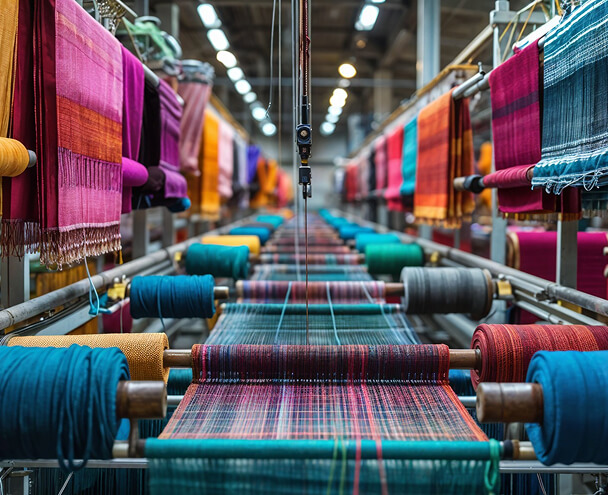
The intersection of fitness and environmentalism has birthed a massive cultural shift. Consumers are increasingly scrutinizing the supply chains of their favorite brands, demanding transparency at every stage of the production cycle. This shift is not a fleeting trend but a fundamental restructuring of consumer values. The modern shopper understands that their purchasing power is a vote for the kind of world they want to live in. Consequently, activewear brands that fail to adopt sustainable practices are finding themselves rapidly losing market share to greener competitors.
To truly grasp the importance of this shift, one must confront the environmental footprint of traditional sportswear. The textile industry is one of the top polluters globally, responsible for approximately 10% of global carbon emissions and nearly 20% of global wastewater. When athletes wash their traditional synthetic workout gear, millions of microplastic fibers are shed into the water systems, eventually making their way into the oceans and the food chain. This alarming reality has sparked outrage and a fierce demand for change.
The solution lies in a radical transformation of the supply chain, beginning at the source. This involves moving away from virgin synthetics and embracing recycled, organic, and regenerated materials. Furthermore, it requires overhauling dyeing processes to conserve water and eliminate toxic chemicals. It is a monumental task that requires profound technical expertise and unwavering dedication to sustainability.
When you analyze the lifecycle of traditional sportswear, the carbon footprint is staggering. This is precisely why aligning your brand with an innovative eco-friendly activewear manufacturer can drastically alter your environmental impact. These specialized manufacturers possess the technology, sourcing networks, and ethical frameworks necessary to produce high-performance athletic wear that aligns with the highest environmental standards.
![Sustainability Meets Performance: Eco-Friendly Activewear Manufacturer Guide]()
What Defines a Truly Exceptional Eco-Friendly Activewear Manufacturer?
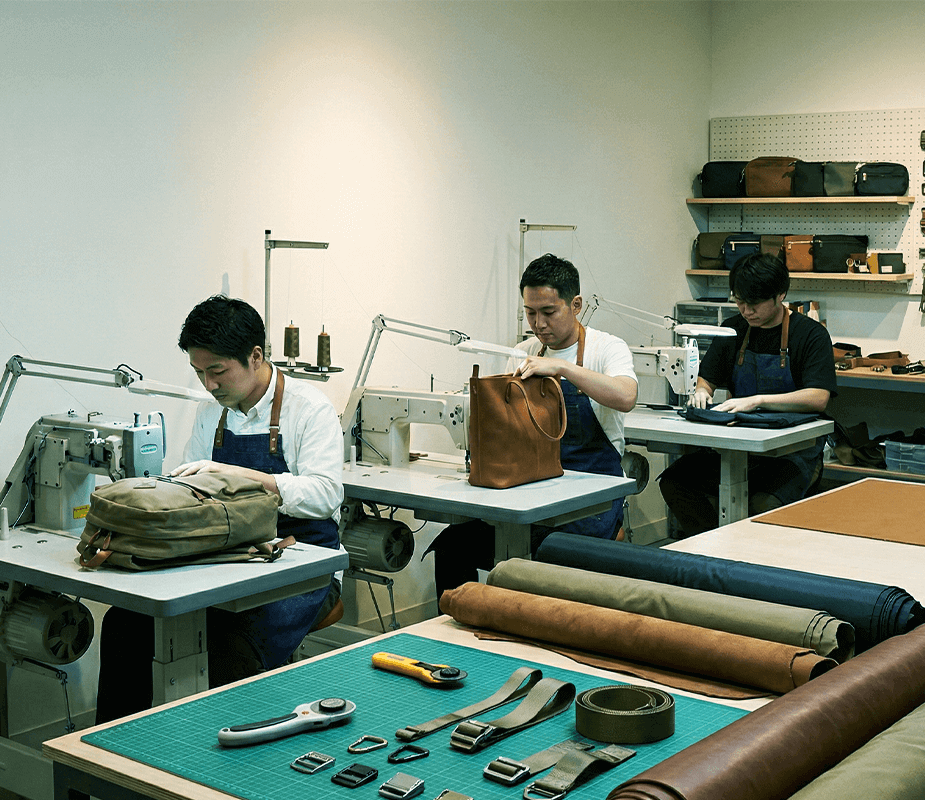
Transitioning to sustainable production is fraught with complexities. The term “eco-friendly” is frequently tossed around in marketing campaigns, leading to a surge in greenwashing—where companies exaggerate or fabricate their environmental efforts. Therefore, it is critical to understand what genuinely separates a legitimate sustainable factory from one that merely pays lip service to the movement.
A true leader in sustainable manufacturing approaches environmental stewardship holistically. It is not just about swapping virgin polyester for recycled polyester; it involves a comprehensive commitment to ethical labor, resource conservation, carbon reduction, and end-of-life product management. Let’s break down the core pillars that define excellence in this space.
Uncompromising Ethical Sourcing and Fair Labor Practices
Sustainability is intrinsically linked to human rights. An environmentally friendly garment produced in a sweatshop completely negates the ethos of conscious consumerism. The premier manufacturers prioritize the health, safety, and economic well-being of their garment workers. This commitment is often validated through strict international certifications and regular third-party audits.
Fair labor practices encompass paying a living wage, ensuring reasonable working hours, providing safe and hygienic working conditions, and strictly prohibiting child and forced labor. Additionally, progressive manufacturers invest in their communities, offering healthcare benefits, educational programs, and opportunities for career advancement. By treating workers with dignity and respect, these factories foster a culture of craftsmanship and pride that translates into superior product quality.
When vetting potential manufacturing partners, it is imperative to inquire about their labor policies and request proof of social compliance certifications, such as WRAP (Worldwide Responsible Accredited Production) or SA8000. True sustainability honors both the planet and the people who populate it.
Advanced Water Conservation and Low-Impact Dyeing Technologies
The dyeing and finishing of textiles is arguably the most environmentally destructive phase of garment production. Traditional dyeing methods consume vast quantities of freshwater and discharge toxic chemical cocktails into local waterways, destroying aquatic ecosystems and endangering community health. A responsible manufacturer aggressively tackles this issue through technological innovation.
By implementing closed-loop water systems and supercritical CO2 dyeing methods, a dedicated eco-friendly activewear manufacturer ensures that zero toxic runoff enters local water supplies. Closed-loop systems capture, filter, and reuse up to 98% of the water involved in the dyeing process. This not only conserves a precious global resource but also prevents hazardous chemicals from escaping the factory confines.
Furthermore, these manufacturers utilize low-impact, non-toxic dyes that require less heat and water to adhere to the fibers. Some are even exploring natural, plant-based dyes or bio-engineered coloring solutions that completely eliminate the need for harsh synthetic chemicals. The result is vibrant, colorfast athletic wear that leaves a minimal ecological footprint.
Carbon Neutrality and Unwavering Supply Chain Transparency
The climate crisis necessitates immediate and aggressive action to reduce greenhouse gas emissions. Leading sustainable factories are systematically transitioning to renewable energy sources, such as solar and wind power, to run their massive operations. They are meticulously measuring their Scope 1, 2, and 3 emissions and implementing rigorous reduction strategies.
Transparency is the bedrock of accountability. The best manufacturers offer complete visibility into their supply chains, from the farm or recycling facility where the raw materials are sourced, right down to the final cut-and-sew assembly. This traceability is increasingly being managed through advanced technologies like blockchain, which provides an immutable ledger of a garment’s journey.
For brands, this transparency is invaluable. It allows you to confidently communicate your sustainability journey to your customers, backed by verifiable data. It builds trust and authenticity, which are critical currency in today’s marketplace.
![Sustainability Meets Performance: Eco-Friendly Activewear Manufacturer Guide]()
Revolutionary Sustainable Fabrics Dominating Athletic Wear
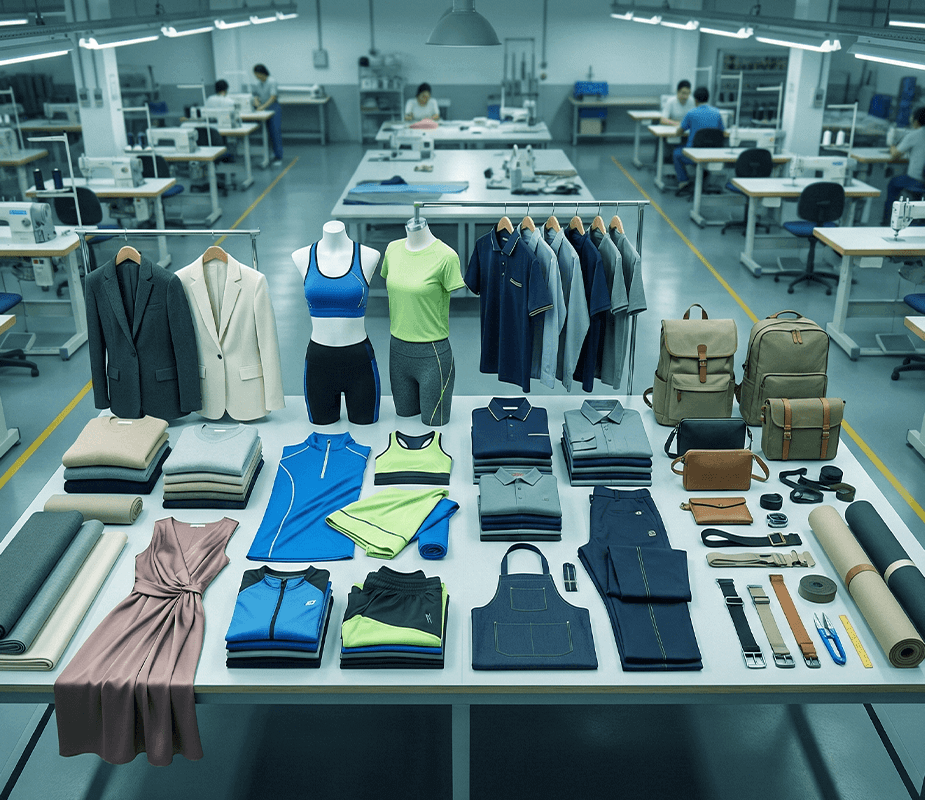
The foundation of any high-performance garment is its fabric. In the realm of sustainable activewear, material science has made extraordinary leaps, offering eco-friendly alternatives that rival or even surpass traditional synthetics in terms of stretch, moisture-wicking, and durability.
Recycled Polyester (rPET): Transforming Ocean Plastic
Recycled polyester, commonly known as rPET, is the undisputed heavyweight champion of sustainable athletic fabrics. It is produced by collecting post-consumer plastic bottles, cleaning them, shredding them into flakes, melting them into pellets, and finally extruding them into fine, durable yarn. This process diverts millions of plastic bottles from landfills and oceans.
The environmental benefits of rPET are substantial. Producing recycled polyester requires up to 59% less energy compared to virgin polyester and significantly reduces greenhouse gas emissions. Furthermore, it decreases the industry’s reliance on petroleum extraction. High-quality rPET offers the exact same technical properties as virgin polyester—it is lightweight, breathable, and exceptionally efficient at wicking sweat away from the body during intense workouts.
However, it is crucial to source rPET from certified suppliers to ensure that the plastic used is genuinely post-consumer waste and that the recycling process itself adheres to strict environmental and social standards. This is where partnering with a knowledgeable manufacturer becomes indispensable.
Organic Cotton and Bamboo: The Natural Breathable Alternatives
While synthetics dominate high-intensity workout gear, natural fibers are incredibly popular for yoga, Pilates, and athleisure. Organic cotton is grown without the use of synthetic pesticides, herbicides, or genetically modified seeds. This preserves soil health, protects biodiversity, and safeguards the health of the farmers. It also requires significantly less water than conventional cotton due to the use of rainwater harvesting and healthier, more absorbent soil.
Bamboo is another remarkable natural alternative. It is one of the fastest-growing plants on Earth, requires minimal water, and thrives without pesticides. However, the process of turning hard bamboo stalks into soft fabric can be chemically intensive. The most sustainable manufacturers utilize a closed-loop lyocell process to create bamboo fabric, capturing and reusing the organic solvents rather than dumping them into the environment.
Both organic cotton and bamboo offer unparalleled softness, natural breathability, and inherent odor-resistant properties, making them ideal for low-impact activities and comfortable, everyday athletic wear.
Econyl and Regenerated Nylon: The Future of Stretch
Nylon is prized in the athletic wear industry for its exceptional durability, silky feel, and incredible elasticity. However, traditional nylon is notoriously difficult to recycle and has a massive environmental footprint. Enter Econyl, a revolutionary regenerated nylon created by the Italian company Aquafil.
Econyl is crafted entirely from ocean and landfill waste, including discarded fishing nets, industrial plastic, and fabric scraps. Through a radical chemical regeneration process, this waste is broken down to its original chemical state and polymerized into brand new nylon yarn. The beauty of Econyl is that it can be recycled infinitely without losing its quality, creating a truly circular material system.
Sourcing these advanced regenerative textiles is not something every factory can do. Working with an experienced eco-friendly activewear manufacturer guarantees that you are actually getting verified Econyl and that the fabric is expertly handled during the cut-and-sew process to maximize its stretch and recovery properties.
Why Your Clothing Brand Must Partner With an Eco-Friendly Activewear Manufacturer
The business case for sustainability has never been stronger. Brands that cling to outdated, environmentally destructive manufacturing practices are facing a perfect storm of regulatory pressure, shifting consumer loyalty, and potential supply chain disruptions. Embracing green manufacturing is no longer a philanthropic endeavor; it is a strategic imperative.
First and foremost is the undeniable consumer demand. Studies consistently show that a significant majority of consumers—particularly Millennials and Generation Z—are willing to pay a premium for products that are sustainably produced. They actively seek out brands that align with their ethical values and aggressively boycott those that do not. By offering a certified sustainable product line, you instantly tap into a highly engaged, fiercely loyal demographic.
Secondly, environmental regulations are rapidly tightening worldwide. Governments are implementing Extended Producer Responsibility (EPR) laws, carbon taxes, and stringent wastewater regulations. Brands that proactively transition to sustainable manufacturing will be ahead of the curve, avoiding hefty fines and operational disruptions. Future-proofing your supply chain today is the smartest investment you can make for tomorrow.
Finally, sustainable manufacturing offers a powerful unique selling proposition (USP). In a crowded sportswear market, telling a compelling story about ocean plastic recovery, ethical labor, and carbon neutrality cuts through the noise. It provides your marketing team with authentic, engaging content that builds deep emotional connections with your audience.
Inside the Production Floor: From Post-Consumer Waste to Premium Leggings
Understanding the exact processes that transform waste into premium athletic wear demystifies sustainable manufacturing and highlights the incredible technological advancements in the textile industry. It is a symphony of engineering, chemistry, and meticulous craftsmanship.
Precision Sorting and Intelligent Material Processing
The journey begins with the collection and rigorous sorting of post-consumer waste. Whether it is plastic bottles or discarded fishing nets, the materials must be meticulously separated by color and polymer type to ensure the purity of the final yarn. Advanced optical sorting machines use infrared technology to identify and segregate different types of plastics with lightning speed and accuracy.
Once sorted, the waste undergoes intense cleaning to remove labels, adhesives, and organic residue. It is then shredded into fine flakes. In mechanical recycling (common for rPET), these flakes are melted and extruded into yarn. In chemical recycling (used for Econyl), the waste is broken down at the molecular level, purified, and re-polymerized, resulting in a virgin-equivalent material.
State-of-the-Art Weaving and 3D Knitting
Transforming eco-yarn into high-performance fabric requires specialized machinery. Sustainable factories invest heavily in energy-efficient circular knitting machines that precisely control the tension and density of the fabric, ensuring optimal four-way stretch and breathability.
3D knitting technology is another marvel that minimizes fabric waste by knitting garments directly to their final shape. An industry-leading eco-friendly activewear manufacturer will leverage these advanced 3D knitting machines to virtually eliminate the fabric offcuts associated with traditional cut-and-sew methods. This not only saves material but also reduces the energy and labor required for assembly, resulting in a sleeker, more comfortable, and highly sustainable garment.
Overcoming the Unique Challenges of Sustainable Athletic Apparel Production
Pioneering sustainable sportswear is not without its hurdles. Brands and manufacturers must collaborate closely to navigate technical limitations, supply chain bottlenecks, and the inherent cost premiums associated with green innovation.
One of the most significant technical challenges is achieving the necessary stretch and recovery without relying heavily on virgin elastane (spandex). Elastane is notoriously difficult to recycle and often compromises the recyclability of the entire garment. Manufacturers are continually experimenting with modified fiber structures, mechanical stretch weaving techniques, and emerging bio-based elastomers to reduce the reliance on traditional spandex while maintaining the high-compression performance athletes demand.
Durability is another critical concern. Sustainable garments must withstand intense physical friction, frequent washing, and exposure to sweat and UV light. If an eco-friendly pair of leggings falls apart after three months, the environmental benefit of its sustainable materials is completely negated by its short lifespan. Therefore, rigorous quality control, abrasion testing, and colorfastness testing are absolute prerequisites in the sustainable manufacturing process.
Finally, there is the undeniable cost premium. Sourcing certified organic cotton, recycled polymers, and ethical labor inherently costs more than exploiting cheap, conventional alternatives. Mitigating this cost premium requires strategic operational efficiency. A visionary eco-friendly activewear manufacturer absorbs a portion of these costs by optimizing their own supply chain, reducing waste, and operating highly efficient, energy-saving facilities. Brands can also offset these costs by adopting direct-to-consumer (D2C) models and educating their audience on the value of investing in durable, ethical apparel.
Essential Certifications Verified by Every Top-Tier Eco-Friendly Activewear Manufacturer
In a landscape cluttered with unverified sustainability claims, third-party certifications are the ultimate arbiter of truth. They provide independent, scientifically backed validation of a manufacturer’s environmental and social practices. When selecting a manufacturing partner, these acronyms should be non-negotiable requirements.
The Global Recycled Standard (GRS) Explained
The Global Recycled Standard (GRS) is an international, voluntary, full-product standard that sets rigorous requirements for the third-party certification of recycled content, chain of custody, social and environmental practices, and chemical restrictions. If a fabric is GRS certified, you can be absolutely certain that it contains verified recycled material and that it was produced in a facility that respects both workers and the environment.
The GRS provides a transparent track-and-trace system, documenting the exact journey of the material from the recycling facility to the final garment. This robust chain of custody is essential for substantiating your brand’s marketing claims and protecting yourself against accusations of greenwashing.
The Rigorous OEKO-TEX Standard 100
The OEKO-TEX Standard 100 is one of the world’s best-known labels for textiles tested for harmful substances. It stands for customer confidence and high product safety. Every single component of an OEKO-TEX certified garment—from the fabric and sewing threads to the zippers and buttons—has been rigorously tested for a vast array of toxic chemicals, heavy metals, and pesticides.
For athletic wear, this certification is particularly crucial. During intense workouts, human pores open, making the skin highly susceptible to absorbing any toxic chemicals present in the fabric. An OEKO-TEX certification guarantees that your sportswear is perfectly safe for direct, prolonged skin contact, protecting your customers’ health while safeguarding the environment.
Designing for True Circularity in the Fitness and Yoga Niche
The ultimate goal of sustainable fashion is to achieve true circularity—a system where waste is completely eliminated, and resources are continually repurposed in an endless loop. This requires a radical rethinking of the design process, shifting from a linear model to a circular one.
True circularity means planning for the product’s demise before it is even created. When a sophisticated eco-friendly activewear manufacturer designs for disassembly, they avoid complex poly-blends (like mixing cotton and polyester), which are notoriously difficult to separate and recycle. Instead, they champion mono-material designs, utilizing 100% recycled polyester or 100% organic cotton, making the garment easily recyclable at the end of its life.
Furthermore, circular design involves creating robust take-back programs. Brands must take responsibility for their products long after they are sold, incentivizing customers to return old garments for recycling or upcycling. By collaborating with an advanced manufacturing partner, brands can establish these reverse logistics supply chains, transforming old leggings back into raw materials for future collections.
The Strategic Advantage of Working with Omni Custm for Your Sustainable Line
When it comes to executing a flawless, sustainable sportswear line, the caliber of your manufacturing partner dictates your ultimate success. You need a facility that not only possesses cutting-edge sustainable technology but also understands the nuanced demands of the global fashion market. This is where Omni Custm shines as the undisputed industry leader.
Omni Custm stands at the forefront of this green manufacturing revolution. As your trusted eco-friendly activewear manufacturer, we offer end-to-end sustainable production solutions tailored specifically for ambitious athletic brands. From assisting you in sourcing the finest GRS-certified rPET and Econyl fabrics to engineering seamless, zero-waste garment patterns, our technical expertise is unparalleled.
We pride ourselves on our radical transparency, our unyielding commitment to fair labor practices, and our incredibly flexible Minimum Order Quantities (MOQs), empowering both emerging startups and established enterprise labels to scale their sustainable offerings without crippling inventory risks. Our dedicated quality control teams ensure that every stitch, seam, and contour meets the absolute highest standards of athletic performance.
Are you prepared to elevate your brand, minimize your environmental footprint, and captivate the conscious consumer market? We invite you to experience the Omni Custm difference. Please contact us today to discuss your vision, review our sustainable fabric swatches, and begin crafting the future of high-performance sportswear together.
Glimpsing the Future of High-Performance Eco-Conscious Workout Gear
The sustainable activewear industry is in a state of perpetual, thrilling evolution. As scientific research accelerates, we are standing on the precipice of material breakthroughs that will render today’s sustainable fabrics obsolete, ushering in an era of fully bio-integrated, regenerative apparel.
One of the most exciting frontiers is the development of bio-fabricated synthetics. Scientists are engineering specialized microbes and utilizing fermentation processes to “grow” high-performance athletic fibers that mimic the properties of nylon and polyester but are entirely derived from renewable, organic matter rather than petroleum. Similarly, we are seeing the rise of nylon derived from castor beans, an incredibly resilient crop that thrives in arid soil unsuitable for food production.
The horizon of athletic wear is brimming with biological innovations like algae-derived foams and bio-fabricated fabrics. The role of an avant-garde eco-friendly activewear manufacturer is to continually test and integrate these revolutionary materials into commercial production lines. For example, algae-based finishes are being utilized to naturally wick sweat and resist odor, eliminating the need for toxic silver-ion antibacterial chemical treatments.
Furthermore, the holy grail of sustainable stretch—biodegradable elastane—is finally becoming a commercial reality. Innovations like Roica V550 offer the exact same exceptional stretch and recovery as traditional spandex but are scientifically formulated to safely break down in industrial composting facilities at the end of their lifecycle without releasing harmful microplastics or toxins. The future of sportswear is deeply entwined with the intelligence of nature itself.
Frequently Asked Questions About Green Sportswear Production
Transitioning to sustainable manufacturing often raises a multitude of questions from brand founders and procurement teams. Let’s address some of the most common inquiries regarding the performance, logistics, and realities of producing green athletic wear.
Are sustainable fabrics actually as durable and sweat-wicking as traditional synthetics?
Yes, absolutely. The technology behind recycled synthetics like rPET and Econyl has advanced to the point where they are molecularly identical to their virgin counterparts. A high-quality recycled polyester legging will deliver the exact same four-way stretch, opacity, moisture-wicking capabilities, and abrasion resistance as a legging made from freshly drilled petroleum.
The caveat, however, lies in the quality of the raw material sourcing and the precision of the manufacturing process. This reiterates the importance of vetting your factory meticulously. A subpar manufacturer using cheap, improperly processed recycled yarn will produce a garment prone to pilling and tearing. Exceptional sustainability requires exceptional engineering.
How does the lead time compare when using an eco-friendly activewear manufacturer?
Historically, sourcing sustainable fabrics added significant weeks to production lead times due to limited availability and slower supply chains. However, as the demand for green materials has skyrocketed, the global supply chain has matured rapidly. Today, working with a well-connected, specialized factory means lead times are highly competitive with traditional manufacturing.
The most sophisticated sustainable factories maintain robust stock programs of highly sought-after certified eco-fabrics in core colors, significantly expediting the production timeline. While custom dyeing specialized eco-yarns may still require standard lead times (typically 6-8 weeks for fabric development), the overall timeline is streamlined by the manufacturer’s specialized expertise and dedicated green supply network.
Conclusion: Forging a Sustainable Legacy in the Fitness Industry
The transition toward sustainable manufacturing is the defining challenge—and the greatest opportunity—of our generation. The athletic apparel industry possesses the power to inspire millions of fitness enthusiasts globally, proving that high performance and environmental stewardship are not mutually exclusive. By rejecting the toxic, linear models of the past, clothing brands can become powerful agents of global ecological restoration.
The activewear industry will continue to grow, and its environmental footprint must simultaneously shrink. Securing a long-term partnership with a reputable eco-friendly activewear manufacturer is the single most effective way to ensure your brand thrives in this new, conscious economy. It is an investment in your brand’s reputation, your product’s quality, and the preservation of the planet we all share.
The time for incremental change has passed; the era of radical, sustainable innovation is here. Equip your brand with the finest recycled textiles, champion ethical labor, demand unyielding transparency, and proudly lead the charge toward a cleaner, greener, and fitter future. Your customers are waiting, and the planet is depending on it.