
Introduction to the Timeless Sport of Tennis
Tennis is a globally celebrated sport that has captivated millions of fans and players across generations. From the meticulously manicured grass courts of London to the sun-baked clay of Paris and the vibrant hard courts of New York, tennis represents a unique blend of physical prowess, mental fortitude, and elegant technique. It is a sport that demands not only explosive speed and endurance but also the strategic mind of a chess grandmaster. Every point is a complex puzzle, requiring split-second decision-making, unparalleled hand-eye coordination, and a deep understanding of geometry and physics. Beyond the physical and mental demands, the aesthetic appeal of the sport is undeniable. The crisp thwack of the ball, the rhythmic squeak of shoes on the court, and the visually striking attire all contribute to the mesmerizing experience of a competitive match. Speaking of aesthetics and performance, when you step onto the court, having the right Custom Racquet Sports Apparel can make an enormous difference in how you move, feel, and play. The modern game has evolved significantly, pushing the boundaries of human athletic potential while maintaining its deeply rooted traditions. Whether you are a complete beginner picking up a racquet for the first time or an experienced club player looking to refine your competitive edge, tennis offers a lifelong journey of learning, self-discovery, and immense satisfaction. The sport teaches discipline, resilience, and the value of hard work, making it far more than just a physical activity. As you delve deeper into the nuances of tennis, you will discover a rich, multifaceted world that challenges you to constantly improve, adapt, and overcome obstacles both on and off the court.
The Rich History and Evolution of the Game
Understanding the history of tennis provides invaluable context for appreciating the modern sport. The origins of tennis can be traced back to 12th-century France, where a game called “jeu de paume” (game of the palm) was played in monastic courtyards. Initially, players used their bare hands to strike a ball against a wall or over a rope. Over the centuries, the game evolved, and the rudimentary glove gave way to the wooden racquet. By the 16th century, the game had become immensely popular among European royalty, notably King Henry VIII of England, who built a magnificent indoor court at Hampton Court Palace. The transition from the indoor “real tennis” to the outdoor “lawn tennis” we recognize today occurred in the late 19th century in England. Major Walter Clopton Wingfield is often credited with patenting the rules and equipment for lawn tennis in 1874. As the sport transitioned outdoors, the attire and equipment had to adapt rapidly to the changing environment and physical demands. The heavy, restrictive clothing of the Victorian era gradually gave way to more practical, athletic options, setting the stage for the highly technical garments we see today. The evolution of Custom Racquet Sports Apparel has paralleled the development of the sport itself, shifting from heavy flannels and restrictive dresses to lightweight, breathable synthetic fabrics that enhance player performance and comfort in extreme weather conditions.
From Monasteries to Modern Grand Slams
The journey from monastic courtyards to colossal modern stadiums is a testament to the enduring, universal appeal of tennis. Early versions of the game were deeply intertwined with aristocratic leisure and exclusivity, but the advent of lawn tennis democratized the sport, making it accessible to a much broader audience. The establishment of the All England Croquet and Lawn Tennis Club in Wimbledon in 1877 marked the definitive beginning of organized, competitive tennis. The inaugural Wimbledon Championship was a modest affair, but it laid the robust foundation for what would eventually become the most prestigious and recognizable tournament in the world. As the sport spread globally, other major tournaments emerged, including the U.S. Open, the French Open, and the Australian Open, collectively known as the Grand Slams. These historic tournaments became the ultimate proving grounds for tennis excellence, demanding peak performance across completely different surfaces. The transition from strict amateurism to lucrative professionalism brought about profound changes in the sport, including more rigorous training regimens, greater financial rewards, and significantly advanced equipment. Throughout this incredible evolution, players have continually sought ways to gain a competitive edge, leading to massive innovations in racquet technology, string composition, and specialized athletic clothing. Choosing your Custom Racquet Sports Apparel is just as important as choosing your racquet, as it directly impacts your ability to perform at your absolute peak during grueling, marathon five-set matches under the scorching summer sun.
The Open Era and the Professionalization of Tennis
The dawn of the Open Era in 1968 revolutionized tennis forever, altering the trajectory of the sport in ways that are still felt today. Prior to this pivotal, historic moment, the sport was starkly and unfairly divided between amateurs, who were allowed to compete in the prestigious Grand Slam tournaments but forbidden from earning prize money, and professionals, who were banned from these premier events and instead toured in separate, often grueling, professional circuits. This rampant hypocrisy was finally abolished when the major tournaments opened their doors to all players, regardless of their professional status. This monumental shift brought a massive, unprecedented influx of prize money, lucrative global television broadcasting rights, and massive corporate sponsorships. The professionalization of tennis meant that players could finally dedicate themselves entirely to their craft without financial worry, leading to unprecedented levels of athleticism, explosive power, and breathtaking technical proficiency. The extreme physical demands of the relentless professional tour necessitated a complete overhaul of training methods and athletic gear. Players needed clothing that could withstand the rigors of daily, high-intensity competition while allowing for totally unrestricted movement and optimal thermal regulation. Today, many professionals now rely on Custom Racquet Sports Apparel to maintain their edge, utilizing garments meticulously engineered by sports scientists to wick away moisture, regulate core body temperature, and provide ergonomic support, thereby allowing them to focus entirely on their performance and tactical execution on the court.
The Essential Equipment: Setting Yourself Up for Success
To truly excel in the demanding sport of tennis, having the proper, highly specialized equipment is absolutely crucial. The right gear not only significantly enhances your overall performance but also dramatically reduces the frustrating risk of acute and chronic injuries. While raw natural talent and rigorous, disciplined practice are fundamental building blocks, inferior or ill-fitting equipment can severely hamper your progress and completely sap your enjoyment of the game. A serious tennis player’s arsenal consists of a carefully chosen racquet, the right strings tensioned to specific, personalized preferences, specialized footwear designed exclusively for specific court surfaces, and high-performance clothing tailored to the unique biomechanics of the sport. Each of these critical components must work in perfect, seamless harmony to support the player’s unique style and physical attributes. Understanding the complex nuances of tennis equipment can easily be overwhelming for eager beginners, but investing the necessary time to find the perfect setup is a absolutely critical step in any player’s long-term development. From the aerodynamic, wind-cutting frame of the carbon-fiber racquet to the moisture-wicking properties of your shirt, every microscopic detail matters. Finding the perfect Custom Racquet Sports Apparel requires understanding your body’s specific needs, the typical climate you generally play in, and the unique physical demands of your highly specific playing style. A well-equipped player always steps onto the court with a distinct psychological advantage, confidently knowing that their premium gear will perform flawlessly under extreme tournament pressure.
Demystifying Tennis Racquets and Strings
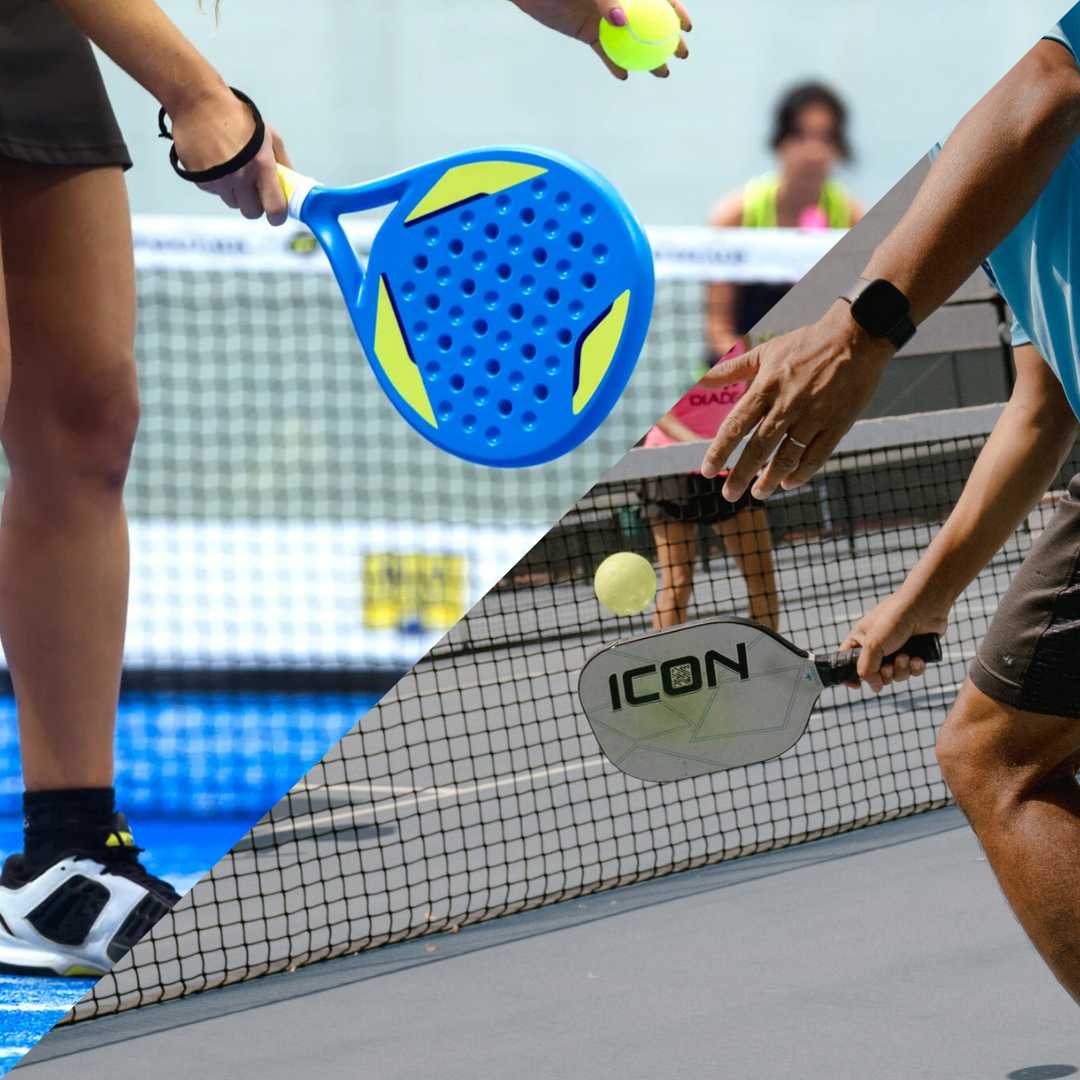
The tennis racquet is a player’s primary weapon, a direct extension of their arm that dictates the power, spin, and pinpoint control of every single shot. Modern tennis racquets are absolute marvels of advanced aerospace engineering, typically constructed from lightweight yet incredibly stiff, responsive materials like graphite, carbon fiber, and Kevlar. When meticulously selecting a racquet, players must carefully consider several critical factors: head size, total weight, balance point, and string pattern. A larger head size (oversize) provides a much more forgiving “sweet spot” and generates significantly more effortless power, making it absolutely ideal for beginners or older players. Conversely, advanced, highly skilled players often prefer much smaller head sizes (midplus or mid) for enhanced surgical precision and shot control. The overall weight and balance of the racquet entirely determine its maneuverability and stability upon violent impact with the heavy tennis ball. A heavier, head-light racquet plows through the ball much more effectively, while a lighter, head-heavy one is easier to swing rapidly. Equally important, if not vastly more so, are the tennis strings. Strings are the true engine of the racquet. Players must carefully choose between natural gut (the gold standard for feel), synthetic gut, multifilament, and durable polyester strings. Polyester strings, heavily favored by modern touring professionals, allow players to take massive, violent swings at the ball while generating ferocious topspin, ensuring the ball dips sharply into the court. The tension of the strings also plays a massively vital role; tighter strings offer significantly more control, while looser strings provide much more trampoline-like power and arm comfort.
The Importance of Footwear and Court Specific Shoes
Tennis is fundamentally a game of explosive, dynamic movement, requiring rapid linear acceleration, aggressive lateral shifts, sudden jarring stops, and swift, unpredictable changes of direction. To perform these extreme movements safely and effectively, specialized tennis footwear is absolutely non-negotiable. Running shoes or generic gym cross-trainers completely lack the necessary lateral stability and structural durability for the rigorous, punishing demands of tennis. A proper, high-quality tennis shoe features a heavily reinforced upper to completely prevent the foot from rolling over (spraining) during aggressive side-to-side movement, a sturdy, rigid heel counter for lockdown stability, and a highly durable rubber outsole specifically designed to withstand the abrasive, sandpaper-like friction of the court surface. Furthermore, the specific type of shoe you ultimately choose should be strictly dictated by the surface you play on most frequently. Hard court shoes feature incredibly durable, non-marking rubber outsoles with a modified herringbone pattern to provide a perfect balance of secure grip and forgiving give. Clay court shoes have a full, deep herringbone tread pattern expressly designed to bite into the slippery, loose clay, allowing players to slide gracefully into their wide shots while easily clearing loose clay debris from the grooves. Grass court shoes, on the other hand, possess small rubber pimples or nubs on the flat sole to provide necessary traction on the notoriously slick, damp grass surface without tearing up or damaging the delicate, heavily manicured turf.
Understanding the Fundamental Strokes
Mastering the fundamental strokes is the absolute bedrock upon which all successful, high-level tennis games are built. Tennis technique is highly complex and unnatural, involving precise, interconnected biomechanical sequences that efficiently transfer kinetic energy from the ground, up through the strong legs, rotating hips, twisting torso, and finally through the relaxed arm and accelerating racquet. A minor flaw or breakdown in any part of this intricate kinetic chain can easily result in a devastating loss of power, a complete lack of control, or, worst of all, a significantly increased risk of chronic injury. The core tennis strokes include the forehand, the backhand, the serve, the volley, the overhead smash, and the defensive lob. Each of these highly technical shots requires countless hours of deliberate, focused practice to properly develop ingrained muscle memory and match-play consistency. As players refine their technique and swing faster, they must ensure their clothing does not impede their complex stroke mechanics. The market for Custom Racquet Sports Apparel has exploded in recent years, specifically and intelligently addressing the critical need for garments that stretch dynamically with the player’s body during the most extreme, contorted ranges of motion. A restrictive, poorly cut shirt or awkwardly fitted shorts can easily alter a player’s natural swing path, leading to subtle but strategically devastating unforced errors. Therefore, investing in proper, high-quality, anatomically designed clothing is an undeniably integral part of long-term technical development.
The Forehand: Your Primary Weapon on Court
For the vast majority of competitive tennis players, from enthusiastic weekend club amateurs to the elite touring professionals of the ATP and WTA tours, the forehand is the primary offensive weapon and the single most heavily utilized stroke in their arsenal. It is typically the shot players feel most inherently comfortable with and the one they actively use to ruthlessly dictate the pace, spin, and direction of the grueling rally. A modern, lethal forehand is characterized by incredibly heavy topspin, immense racquet head speed, and profound, penetrating depth. The stroke sequence begins with a rapid, synchronized unit turn, where the player’s shoulders and hips rotate completely sideways to the net while the hands prepare the racquet. The player then smoothly drops the heavy racquet head significantly below the level of the incoming ball, creating the necessary steep, vertical swing path to brush aggressively up the back of the ball and generate massive topspin. As the player forcefully initiates the forward swing, they drive powerfully from their bent legs, violently rotating their hips and shoulders back towards the net to generate torque. The ideal contact point should be well out in front of the body, with the racquet face slightly closed to impart spin. Finally, a relaxed, complete, and fluid follow-through, often wrapping completely around the opposite shoulder or catching the racquet throat with the non-dominant hand, ensures maximum power transfer and safe, smooth arm deceleration.
The Backhand: One-Handed Versus Two-Handed
The backhand stroke provides a fascinating, never-ending study in stylistic contrast, primarily and sharply divided between the elegant, sweeping one-handed backhand and the robust, highly stable two-handed backhand. Historically, the one-handed backhand was the unquestioned standard, championed by legendary players who masterfully utilized its natural, extended reach, incredible versatility, and sheer, undeniable aesthetic beauty. The one-hander excels brilliantly in generating heavy, skidding slice, hitting deft, disguised drop shots, and transitioning smoothly and naturally to the net for aggressive volleys. However, it requires exceptional timing, immense forearm and shoulder strength, and precise, perfect footwork to execute effectively, especially when defending against high-bouncing, heavy topspin balls to the shoulder level. Conversely, the two-handed backhand has become overwhelmingly, undeniably dominant in the modern power game. The addition of the non-dominant hand provides incredible, unshakeable stability, immense leverage, and the unparalleled ability to handle high, heavy topspin balls with relative ease. It allows aggressive players to take the ball early on the rise and drive it fiercely down the line or sharply cross-court with crushing power. Regardless of which specific style a player ultimately chooses to master, fluid, unhindered rotation and absolutely unrestricted movement of the torso and shoulders are paramount. Designing your own Custom Racquet Sports Apparel allows for personal expression, but more importantly, it ensures that your clothing features strategically placed articulated seams and high-tech stretch panels exactly where you need them to execute complex, dual-arm strokes without frustrating binding or pulling.
The Serve: The Complex Art of Starting the Point
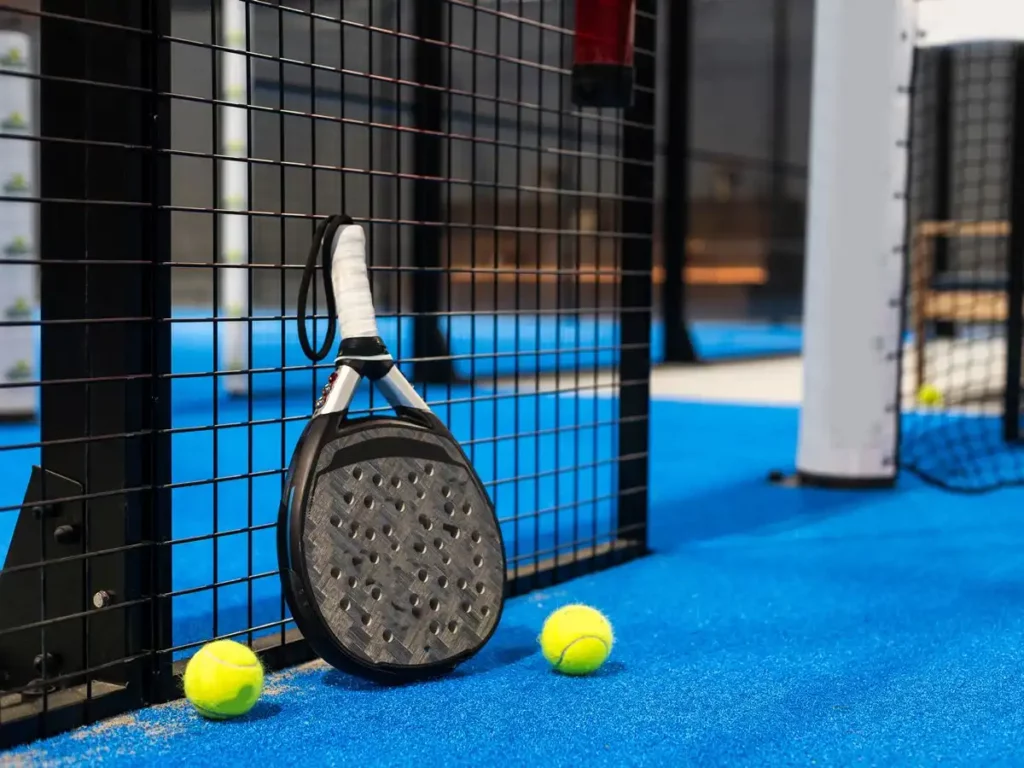
The serve is universally, unequivocally acknowledged as the single most important and most biomechanically complex shot in the entire sport of tennis. It is the absolutely only stroke over which the server has complete, autonomous control, allowing them to dictate the pace, spin, and precise placement of the ball before the opponent even has a fraction of a chance to react. A dominant, unreturnable serve can easily yield free, easy points, heavily alleviate pressure during tight, nervous service games, and perfectly set up an aggressive, rally-ending first strike. The serve motion begins with a consistent, ritualistic, calming stance and a highly precise, repeatable ball toss. The toss must perfectly place the ball in the exact spatial coordinate necessary for the explicitly intended type of serve—whether a blazing flat serve, a wide slicing serve, or a high-bouncing kick serve. As the ball rises to its peak, the player drops deeply into the iconic “trophy pose,” significantly bending their knees and storing massive elastic energy in their loaded legs and twisted core. The subsequent upward explosion is a beautifully coordinated, violent kinetic sequence: the powerful legs drive rapidly upwards, the hips and shoulders violently rotate forward, the hitting arm drops into a deep, flexible “racquet drop” behind the back, and finally, the arm aggressively accelerates upwards and outwards, heavily pronating the forearm violently through the contact point at maximum physical extension. The sheer violence and extreme bodily extension required by the elite serve make highly flexible clothing absolutely essential. Teams and clubs often invest in Custom Racquet Sports Apparel for a unified look, ensuring that all their competitive players have the requisite, unrestricted mobility in the shoulder and underarm regions to serve with maximum, unhindered velocity and safety.
The Volley and Net Play
While the modern professional and recreational game is heavily dominated by grueling, baseline-to-baseline rallies, profound proficiency at the net remains an absolutely crucial component of a complete, well-rounded, all-court game. The volley is skillfully executed before the ball bounces on the court, typically when an aggressive player has quickly transitioned forward to ruthlessly close out a point. Unlike powerful groundstrokes, which require large, sweeping, full-body swings to generate pace and spin, the volley is a highly compact, precise, blocking motion. The ultimate key to a successful, penetrating volley is exceptional, lightning-fast footwork, a strong, perfectly timed split-step to establish dynamic balance just before the opponent strikes the ball, and a firm, incredibly stable wrist. The player utilizes a standard Continental grip and essentially “punches” or “blocks” the incoming ball, expertly using the incoming heavy pace of the opponent’s shot to sharply redirect it into an open, undefended area of the court. Net play inherently demands lightning-fast, cat-like reflexes, superb hand-eye coordination, and a deeply fearless, attacking attitude. A player must be fully prepared to react instantly to balls hit with immense, dangerous pace directly at their body. High-performance Custom Racquet Sports Apparel wicks away sweat effortlessly, which is particularly, undeniably vital at the net, as sweat dripping into the stinging eyes or causing a dangerously slippery racquet grip can be absolutely catastrophic when reacting in a split second to a fast-paced passing shot or a rapidly dipping passing attempt.
Advanced Strategies and Court Positioning
Once a dedicated player has successfully developed reliable, deeply ingrained fundamental strokes, the exciting next frontier in their ongoing tennis evolution is thoroughly mastering advanced strategy and optimal court positioning. Tennis is very often accurately likened to rapid-fire physical chess; it is fundamentally a game of calculated angles, risk-management percentages, and ruthlessly exploiting an opponent’s glaring weaknesses while simultaneously hiding your own vulnerabilities. A tactically astute, highly intelligent player can routinely and systematically defeat a vastly more physically gifted or powerful opponent simply by playing smart, high-percentage tennis. This complex strategic mastery involves deeply understanding the specific geometry of the rectangular court, instantly recognizing the different, fluid phases of a point (desperate defense, rallying neutral, and aggressive offense), and rapidly selecting the highest-percentage shot for any given, high-pressure situation. For a classic example, hitting the ball heavy cross-court over the lowest part of the net into the longest possible diagonal part of the court is fundamentally a much safer, much higher-percentage shot than attempting a highly risky, low-margin down-the-line winner over the highest part of the net into the shortest part of the court. Furthermore, an advanced player must intimately understand how to construct a winning point, using heavy, deep balls to forcefully push the opponent far back, followed rapidly by sharply angled shots to forcefully pull them completely off the court, ultimately creating a massive open space to easily hit a clean winner or force a desperate, unforced error.

Mastering Baseline Rallies
The absolute foundational core of modern tennis strategy is unquestioned baseline dominance. The vast, overwhelming majority of points at all levels of the game are fiercely contested from the deep back of the court, heavily requiring players to possess exceptional, unwavering consistency, lung-burning stamina, and the vital ability to continuously absorb and aggressively redirect heavy incoming pace. Mastering intense baseline rallies involves very much more than simply, passively hitting the ball back over the net. It actively requires intentionally manipulating the exact depth, rotation spin, and arc trajectory of the ball to make the struggling opponent continually uncomfortable and out of balance. Hitting deep, incredibly heavy topspin balls that bounce extremely high near the back baseline forcefully forces the opponent onto their defensive back foot, completely preventing them from stepping in and attacking the ball. Conversely, a low, skidding, biting slice can completely break up the established rhythm of a heavy topspin player, awkwardly forcing them to bend their knees severely and hit up on the low ball, very often resulting in a weak, highly attackable, floating reply. Extreme stamina is a massive, deciding factor in extended, grueling baseline grinding. The durability of modern Custom Racquet Sports Apparel ensures it lasts through grueling matches, featuring highly reinforced stitching and advanced abrasion-resistant fabrics that hold up incredibly well against the constant, intense friction of aggressive baseline movement and extended, sweat-soaked marathon rallies that test a player’s physical limits and mental endurance to the absolute breaking point.
The Art of the Approach Shot and Transitioning
While playing consistently and solidly from the deep baseline is absolutely essential, the rare ability to instantly recognize a weak, short ball, ruthlessly attack it, and transition smoothly and rapidly to the net is precisely what separates merely good players from truly great, elite players. The aggressive approach shot is the highly critical, fleeting bridge between baseline defense and net offense. When a pressured opponent inevitably hits a weak, short ball that regrettably lands inside the service line, the attacking player must instantly step inside the court, take the ball very early on the rise, and drive an aggressive, exceptionally well-placed approach shot. The primary goal of the approach shot is not necessarily to hit an incredibly risky outright winner, but rather to put the scrambling opponent under such extreme, suffocating pressure that they are completely forced to hit a weak, floating passing shot or a desperate, short lob, which can then be easily and dramatically put away with a crisp volley or a crushing overhead smash. Proper court positioning after the shot is absolutely paramount; the attacking player must closely follow the exact trajectory of their approach shot, perfectly bisecting the possible angles of the opponent’s desperate return. If you want to dive deeper into the specific, high-tech gear that significantly aids this rapid, explosive transitioning, we highly recommend exploring options for Custom Racquet Sports Apparel, as lightweight, aerodynamic clothing significantly reduces drag and allows for the explosive, unimpeded acceleration required to close the net effectively before the panicked opponent can even react.
Physical Conditioning for Tennis Players
Competitive tennis is an incredibly, ruthlessly demanding physiological sport. It requires a highly unique, demanding hybrid of massive aerobic endurance to last through brutal matches that can easily exceed three or four grueling hours, and intense anaerobic power for the explosive, all-out sprints, sudden, jarring stops, and violent, tearing changes of direction that fundamentally define every single point. A typical professional or high-level amateur tennis match involves many hundreds of short, incredibly intense bursts of absolute maximum effort, interspersed with brief, inadequate periods of active recovery between points and slightly longer, crucial rests during changeovers. This punishing, stop-and-go nature places extreme, constant stress on the cardiovascular system and the entire musculoskeletal framework. Therefore, engaging in comprehensive, tennis-specific physical conditioning is absolutely not just an optional supplement; it is a strict, mandatory requirement for absolutely anyone wishing to play tennis safely at a competitive level and remain largely injury-free throughout a long season. A properly well-rounded, elite tennis fitness program must aggressively encompass long-distance cardiovascular training, targeted muscular strength, explosive plyometric power, rigid core stability, and dynamic, full-body flexibility. Players who foolishly neglect their off-court physical conditioning will inevitably and painfully find their technique completely breaking down late in long matches as deep fatigue sets in, leading to lazy unforced errors, sluggish, heavy footwork, and a significant, match-losing drop in mental focus and tactical clarity.
Strength Training and Core Stability
Intelligent strength training for tennis should absolutely not focus on building massive, bulky, bodybuilding-style muscles, which can and actually will significantly hinder flexibility, slow down movement, and severely reduce vital racquet head speed. Instead, the laser focus must be entirely on developing functional strength, explosive, fast-twitch power, and proactive injury prevention. The powerful legs are the true foundation of absolutely every tennis stroke, providing the massive initial burst of kinetic energy that rapidly travels up the body’s kinetic chain. Therefore, intense exercises like heavy squats, deep lunges, heavy deadlifts, and explosive plyometric box jumps are crucially important for developing the explosive lower-body power required for rapid, first-step acceleration and forceful, crushing groundstrokes. Furthermore, tennis is a highly, violently rotational sport. The core musculature—including the rectus abdominis, obliques, and lower back erectors—acts as the vital, transferring link moving power from the driving legs to the accelerating upper body. A weak, unstable core will always result in a significant, noticeable loss of power and a massively increased risk of debilitating lower back injuries. Core stability exercises, such as extended planks, violent medicine ball throws, and heavy rotational cable chops, are absolutely, undeniably essential. When you are lifting heavy weights or performing exhausting, explosive plyometrics in the gym, having the absolute right gear is vital. Investing in premium Custom Racquet Sports Apparel is an investment in your game, providing the necessary muscular compression, joint support, and advanced moisture management required during incredibly intense, sweat-inducing off-court strength and conditioning sessions.
Flexibility, Mobility, and Injury Prevention
The highly repetitive, extremely high-impact nature of hard-court tennis places immense, constant strain on the joints, tendons, and ligaments, making avid players highly susceptible to painful overuse injuries such as tennis elbow (lateral epicondylitis), rotator cuff tendinopathy, patellar tendonitis, and severe Achilles issues. A highly proactive, daily approach to flexibility and joint mobility is the single most effective defense against these frustrating, debilitating conditions. A comprehensive, dynamic warm-up routine prior to playing or practicing is absolutely critical. This should consist of dynamic stretching, such as high leg swings, large arm circles, and deep torso twists, to significantly increase blood flow, safely elevate core body temperature, and optimally prepare the stiff muscles and joints for the extreme ranges of motion they are about to rapidly experience. Following a grueling match or intense practice session, long-hold static stretching is extremely crucial for properly lengthening tight, contracted muscles, improving overall, long-term flexibility, and actively aiding in the body’s recovery process. Deep foam rolling and professional massage therapy can also be highly beneficial for manually breaking down fascial adhesions and promoting rapid tissue repair. Unrestricted, fluid mobility is a massive key factor in injury prevention, and the apparel you choose to wear plays a surprisingly large role. The aesthetics of Custom Racquet Sports Apparel blend tradition with modern flair, but strictly beneath the incredibly stylish exterior, the highly advanced, four-way stretch fabrics guarantee that your garments absolutely never restrict your range of motion during crucial, desperate lunges, wide, splitting stretches, or extreme, violent shoulder rotations, thereby significantly minimizing the dangerous risk of acute muscular strains.
The Mental Game: Psychology on the Court
Tennis is very often accurately described by professionals as the single most lonely sport in the entire world. Unlike team sports like basketball or soccer where you can heavily rely on teammates for emotional support or strategic substitution when struggling, a tennis player is entirely, completely alone on the vast court, with absolutely nowhere to hide and absolutely no one else to blame for their failures. This profound, isolating solitude massively magnifies the intense psychological challenges of the game. The complex mental aspect of tennis is very frequently the sole deciding factor in close matches between relatively evenly matched opponents. A player’s profound ability to maintain unwavering, laser-like focus, successfully manage debilitating performance anxiety, strictly control their emotional reactions to terrible mistakes, and perfectly execute their strategy under extreme, suffocating pressure is absolutely paramount to success. True mental toughness is definitely not an innate, genetic trait; it is a highly trainable skill that must be deliberately cultivated, practiced, and refined over years, just like a forehand or a serve. Elite, world-class players employ various advanced psychological techniques to optimally regulate their mental state, including vivid visualization, relentless positive self-talk, and highly rigorous, uncompromising adherence to established routines. Developing a truly strong, unbreakable mental game allows a player to remain totally calm in the face of intense adversity, to view massive challenges as exciting opportunities rather than terrifying threats, and to consistently, reliably perform near the upper limits of their capability, absolutely regardless of the score or the distracting external circumstances.
Developing Pre-Point Routines
One of the single most highly effective, proven tools for managing match anxiety, properly regulating arousal levels, and flawlessly maintaining intense, unwavering focus throughout a grueling, multi-hour match is the strict, religious adherence to pre-point and between-point routines. If you closely watch elite professional tennis players on television, you will immediately notice that they do the exact, identical sequence of actions before every single crucial serve or return. This might typically involve meticulously adjusting their strings, bouncing the ball a highly specific, unchanging number of times, wiping their sweating face with a towel in a specific manner, or taking a deep, calming diaphragmatic breath. These highly specific routines are absolutely not silly superstitions; they are meticulously engineered, deeply ingrained psychological anchors. They serve primarily to massively narrow the player’s focus, quiet the loud, distracting internal chatter of the conscious mind, and clearly signal to the subconscious body that it is time to execute a highly practiced, automatic motor skill. A consistent, unvarying routine provides a deep sense of familiarity, safety, predictability, and control in an inherently unpredictable and highly chaotic competitive environment. When you look incredibly good, you naturally feel incredibly good, and this immense psychological boost is utterly undeniable. Your confidence soars when wearing perfectly fitted Custom Racquet Sports Apparel, and this quiet, powerful confidence seamlessly integrates into your pre-point routine, allowing you to step up to the baseline feeling fully prepared, highly professional, and entirely, utterly focused on the task at hand.
Overcoming Adversity and Staying Present
Tennis, by its very nature, is a game of continuous, unavoidable mistakes. Even the absolute greatest players in the entire history of the sport regularly hit the ball into the net or wide of the lines dozens of times in a single, winning match. The true, defining measure of a tennis champion is emphatically not the complete absence of errors, but rather the remarkable ability to quickly process, completely discard, and immediately move on from those frustrating errors without allowing them to negatively impact the execution of the very next point. Dwelling endlessly on a missed, incredibly easy volley or a devastating double fault on break point is a guaranteed, surefire way to initiate a rapid downward psychological spiral. True mental resilience heavily requires the profound ability to stay completely, totally present in the current moment. The past point is forever gone and cannot possibly be changed; the future point has absolutely not yet arrived. The single, absolute only thing that matters is the perfect execution of the current, immediate shot. Players must actively learn to accept the inherent, maddening adversity of tennis—terrible line calls, incredibly lucky net cords, violently shifting winds, and uncharacteristic unforced errors—with deep equanimity and grace. Developing a very short memory for mistakes and maintaining a steadfast, unshakable belief in one’s abilities, even when trailing significantly in the score, are the absolute hallmarks of a mentally formidable, truly elite tennis competitor.
The Future of Tennis and Technological Innovations
As we eagerly look toward the exciting future, the magnificent sport of tennis is perfectly poised for continuous, rapid evolution, heavily driven by rapid advancements in digital technology, applied sports science, and massive global outreach initiatives. The incredibly fast-paced game we see today is vastly, almost unrecognizably different from the one played even two short decades ago, and the sheer pace of change is only accelerating. The deep integration of big data analytics into daily player development and complex match strategy has become completely ubiquitous at the elite professional level. Top coaches and players now heavily rely on highly sophisticated software that perfectly tracks every single metric imaginable, from ball spin rates and exact trajectory to player movement patterns, fatigue levels, and court heat maps. This highly data-driven, scientific approach allows for hyper-targeted, highly efficient training and the precise exploitation of minute statistical weaknesses in opponents. Furthermore, advanced broadcast technology has totally revolutionized how millions of fans globally consume the sport. Incredible high-definition slow-motion replays, fascinating augmented reality graphics, and deeply interactive viewing experiences have brought the global audience much closer to the intense action than ever before, clearly demystifying the incredible speed, power, and spin of the modern professional game.
Growing the Game Globally
Beyond advanced technology, the bright future of tennis lies firmly in its continued, massive global expansion. While traditionally and heavily dominated by players from Europe, North America, and Australia, the sport is now rapidly and successfully gaining massive traction in exciting new markets, particularly in heavily populated areas of Asia and South America. The inspiring rise of global superstars from these emerging regions has fiercely ignited a deep passion for the game among many millions of entirely new fans and eager, aspiring young athletes. Powerful organizations like the ATP, WTA, and ITF are intelligently investing heavily in grassroots programs, building massive new infrastructure, and establishing world-class regional training centers to properly nurture raw talent in developing tennis nations. This beautiful globalization of the sport is not only significantly increasing the depth of the professional talent pool but also wonderfully enriching the cultural fabric of the game itself. As the sport rapidly expands, the high demand for high-quality, localized, and highly specialized equipment will also grow exponentially, ensuring a vibrant, highly profitable, and dynamic future for the entire global tennis industry.
Finding the Right Community and Coaching
While tennis is fundamentally an individual sport, the long journey of improvement is very rarely undertaken entirely alone. Intentionally surrounding yourself with a highly supportive, positive community of fellow players and actively seeking the guidance of an experienced, highly knowledgeable coach can dramatically accelerate your progress and greatly enhance your overall, long-term enjoyment of the game. Joining a vibrant local tennis club, enthusiastically participating in competitive recreational leagues, or simply run_commandfinding regular, reliable hitting partners provides truly invaluable opportunities for match play, enjoyable social interaction, and necessary exposure to many different playing styles. A good, certified coach, however, is perhaps the single most critical asset for technical and strategic development. A highly qualified professional can instantly identify subtle, hidden flaws in your biomechanics, introduce you to highly advanced tactical concepts, and design highly structured, targeted practice sessions that absolutely maximize your rate of improvement. Modern, elite coaching also frequently incorporates advanced video analysis, allowing players to visually observe their own strokes in slow motion, making it much easier to identify areas for correction. If you are deeply committed to elevating your game, finding the right environment and the right mentorship is essential. To take your game and your team’s presentation to the absolute next level, please contact us for more information regarding specialized gear and outfitting solutions.
Conclusion: A Lifelong Journey of Improvement
Tennis is a beautifully complex, physically incredibly demanding, and endlessly fascinating sport that generously offers a lifetime of immense challenges and profound rewards. It is a wonderful game that can be thoroughly enjoyed by individuals of absolutely all ages and skill levels, providing a fantastic, lifelong avenue for physical fitness, intense mental stimulation, and deep social connection. The rigorous pursuit of tennis mastery is a continuous, never-ending journey, deeply characterized by relentless practice, tactical refinement, and the constant, burning quest for physical and mental optimization. From understanding the incredibly rich historical tapestry of the game to meticulously selecting the absolute perfect racquet, strings, and footwear, every single detail contributes heavily to the overall experience. Developing technically sound, reliable strokes, mastering the subtle nuances of court positioning, and actively cultivating unbreakable, ironclad mental resilience are all highly critical milestones on this fulfilling journey. Always remember that progress in tennis is very rarely linear; it absolutely requires immense patience, unwavering dedication, and a strong willingness to embrace the struggle. Equip yourself with the absolute best possible gear to perfectly support your physical efforts. In conclusion, combining great technique with top-tier Custom Racquet Sports Apparel sets you up for absolute success, ensuring that you confidently step onto the court looking incredibly sharp, feeling supremely comfortable, and fully prepared to play the absolute best tennis of your entire life. Embrace the incredible challenge, deeply enjoy the process, and let the lifelong passion for tennis enrich your life.