
The activewear industry has undergone a radical transformation over the past few decades. What was once a niche market catering primarily to professional athletes and hardcore gym enthusiasts has exploded into a global phenomenon that permeates every aspect of modern daily life. We have moved far beyond the days of simple cotton t-shirts, basic sweatpants, and uninspiring sports bras. Today, fitness apparel is a sophisticated blend of high-performance engineering, cutting-edge material science, and high-fashion aesthetics. This evolution has been driven by a cultural shift towards health, wellness, and an active lifestyle, creating an unprecedented demand for clothing that can seamlessly transition from the yoga studio to the coffee shop, and even into the workplace. Consumers now expect their workout gear to offer advanced features such as moisture management, temperature regulation, four-way stretch, and anti-odor properties, all while maintaining a flattering and stylish silhouette. To meet these elevated expectations, brands must invest heavily in research and development, constantly pushing the boundaries of what is possible in textile production. This intense competition has led to an explosion of innovation, with new fabrics, construction techniques, and design philosophies emerging at a breakneck pace. For entrepreneurs and established brands alike, navigating this complex landscape requires a deep understanding of consumer behavior, technological advancements, and the intricacies of the global supply chain. The stakes have never been higher, but for those who can successfully anticipate and fulfill the needs of the modern active consumer, the rewards are immense. The journey from conceptualizing a new line of active apparel to bringing it to market is fraught with challenges, requiring meticulous planning, rigorous quality control, and strategic partnerships. As the boundaries between athletic wear and everyday fashion continue to blur, the brands that thrive will be those that can master the delicate balance between form, function, and cutting-edge innovation.
Why Partnering with a Custom Gym & Activewear Manufacturer is Crucial
When launching or scaling an apparel brand in today’s highly competitive market, the most critical decision you will make is selecting your production partner. Partnering with a dedicated facility is not just a logistical necessity; it is a strategic imperative that will fundamentally shape the trajectory of your business. Unlike generic clothing factories that produce everything from denim to formal wear, a specialized production partner possesses the domain-specific expertise, specialized machinery, and technical knowledge required to create high-performance athletic garments. These specialized partners understand the unique demands of active apparel, such as the need for flatlock stitching to prevent chafing during intense movement, or the precise tension required in elastic waistbands to ensure a secure yet comfortable fit. By collaborating with a dedicated facility, you gain access to a wealth of industry insights and technical capabilities that would take years and massive capital investment to develop internally. They serve as an extension of your own team, translating your creative vision into tangible, high-quality products that meet the rigorous standards of modern consumers. A truly capable partner will guide you through every step of the complex production process, from initial material sourcing and pattern drafting to prototyping, testing, and final bulk production. Their expertise can help you avoid costly mistakes, optimize your supply chain, and ensure that your final products not only look great but perform flawlessly under the most demanding conditions. In an era where consumers are increasingly educated and discerning about the quality of their clothing, the capabilities and reliability of your production facility will directly impact your brand’s reputation, customer loyalty, and long-term financial success.
The Benefits of Bespoke Production
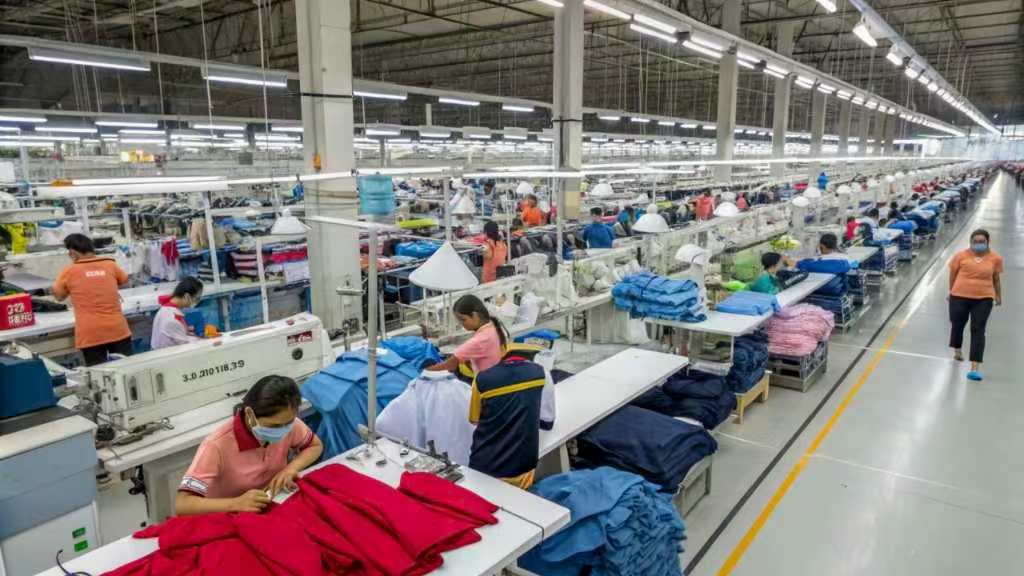
Bespoke production offers unparalleled advantages for brands looking to differentiate themselves in a saturated market. Unlike off-the-shelf, white-label solutions where you simply slap your logo onto pre-existing designs, bespoke production allows you to control every single aspect of your product. This means you can specify the exact blend of fabrics, the precise cut and fit, the placement of seams, the style of the hardware, and the specific functional features that will set your garments apart. This level of customization is essential for building a truly unique brand identity and catering to the specific needs of your target audience. For instance, if your brand focuses on high-intensity interval training (HIIT), you might require garments with exceptionally high breathability, reinforced stitching in high-stress areas, and specialized sweat-wicking properties. Conversely, if your focus is on yoga and pilates, you might prioritize ultra-soft, four-way stretch fabrics that offer maximum flexibility and a barely-there feel. Bespoke production empowers you to engineer products that perfectly align with your brand’s ethos and the functional requirements of your customers. Furthermore, this approach allows you to implement proprietary sizing models, ensuring a superior fit that generic sizing charts simply cannot match. The ability to create truly unique, purpose-built garments is a powerful competitive advantage that can justify premium pricing, foster deep customer loyalty, and elevate your brand above the sea of generic competitors. While the bespoke process requires a larger upfront investment in terms of time, resources, and minimum order quantities, the long-term strategic benefits—including brand differentiation, product superiority, and the ability to command higher margins—make it a necessary endeavor for ambitious brands.
Navigating the Complexities of Fabric Selection with a Custom Gym & Activewear Manufacturer
The foundation of any exceptional piece of athletic clothing lies in the quality and properties of the fabric used. Fabric selection is a highly technical and nuanced process, and this is an area where the guidance of an experienced partner is absolutely invaluable. The right fabric must strike a delicate balance between numerous competing factors: breathability, moisture-wicking capabilities, stretch and recovery, durability, weight, opacity, and tactile feel. An expert production facility maintains extensive relationships with premium textile mills around the world and can source specialized materials that perfectly match your performance requirements and budget. They can explain the subtle differences between various blends of polyester, nylon, elastane, and natural fibers like merino wool or bamboo, helping you understand how each component will impact the final garment’s performance. For example, they can guide you toward high-gauge nylon blends for compression gear, which offer excellent muscle support and durability, or advanced micro-polyester fabrics for lightweight running tops that require maximum ventilation and rapid drying. They also understand the crucial importance of fabric weight (measured in GSM – grams per square meter) and how it affects both the drape of the garment and its suitability for different climates and activities. A knowledgeable partner will not only present you with an array of fabric swatches but will also conduct rigorous testing on these materials—checking for colorfastness, shrinkage, pilling resistance, and stretch recovery—before approving them for bulk production. This meticulous approach to material selection ensures that your products will perform beautifully over time, maintaining their shape, color, and functional properties even after countless intense workouts and washing cycles.
Moisture-Wicking and Breathability
In the realm of active apparel, the ability to effectively manage moisture and regulate body temperature is non-negotiable. Consumers demand clothing that will keep them dry, cool, and comfortable during even the most grueling workouts. Moisture-wicking fabrics are engineered to pull sweat away from the skin and disperse it across the surface of the fabric, where it can evaporate rapidly. This process, often referred to as capillary action, relies on the use of specialized synthetic fibers, such as high-performance polyester or nylon, which are inherently hydrophobic (water-repelling). These fibers are often treated with specialized finishes or constructed with unique cross-sectional shapes (like channels or grooves) that enhance their ability to transport moisture. Breathability, on the other hand, refers to the fabric’s ability to allow air to circulate freely, facilitating the escape of body heat and preventing the buildup of excess humidity inside the garment. This is typically achieved through the use of lightweight, porous fabrics, strategically placed mesh panels, or advanced knitting techniques that create microscopic ventilation zones. The interplay between moisture-wicking and breathability is critical for maintaining the body’s microclimate, preventing overheating, and reducing the risk of chafing or skin irritation. When developing high-performance gear, brands must carefully evaluate the specific moisture management and ventilation requirements of their intended end-use. For example, a heavy winter running jacket requires a very different approach to breathability and moisture control than a lightweight summer cycling jersey. Mastering these technical aspects of fabric performance is essential for creating apparel that truly supports and enhances athletic performance.
The Prototyping Phase: A Collaborative Effort with Your Custom Gym & Activewear Manufacturer
The transition from a two-dimensional design concept to a tangible, wearable garment is a critical juncture in the product development lifecycle. This is the prototyping phase, a highly iterative and collaborative process that requires seamless communication and tight coordination between your design team and your chosen facility. The creation of a physical prototype, often referred to as a sample, is the first opportunity to see how your design ideas translate into reality. During this phase, your production partner will take your initial sketches, technical drawings, and fabric selections and construct a preliminary version of the garment. This first sample is rarely perfect; it serves as a crucial diagnostic tool to identify issues with fit, construction, fabric drape, and overall aesthetics. Working closely with your partner, you will evaluate the prototype on a fit model, carefully analyzing how the garment moves, how the seams lay against the body, and whether the intended functional features perform as expected. This evaluation process often reveals unforeseen challenges—perhaps the armhole is too restrictive, the waistband rolls down during movement, or the fabric doesn’t offer enough compression. A skilled partner will carefully document these observations and provide expert recommendations on how to refine the pattern, adjust the construction techniques, or modify the fabric selection to resolve the issues. This iterative cycle of sampling, fitting, and refinement may be repeated several times before a final, approved prototype—known as the pre-production sample (PPS)—is achieved. This collaborative prototyping process is essential for mitigating risk, ensuring product excellence, and laying the groundwork for a smooth and successful bulk production run.
Tech Packs and Technical Specifications
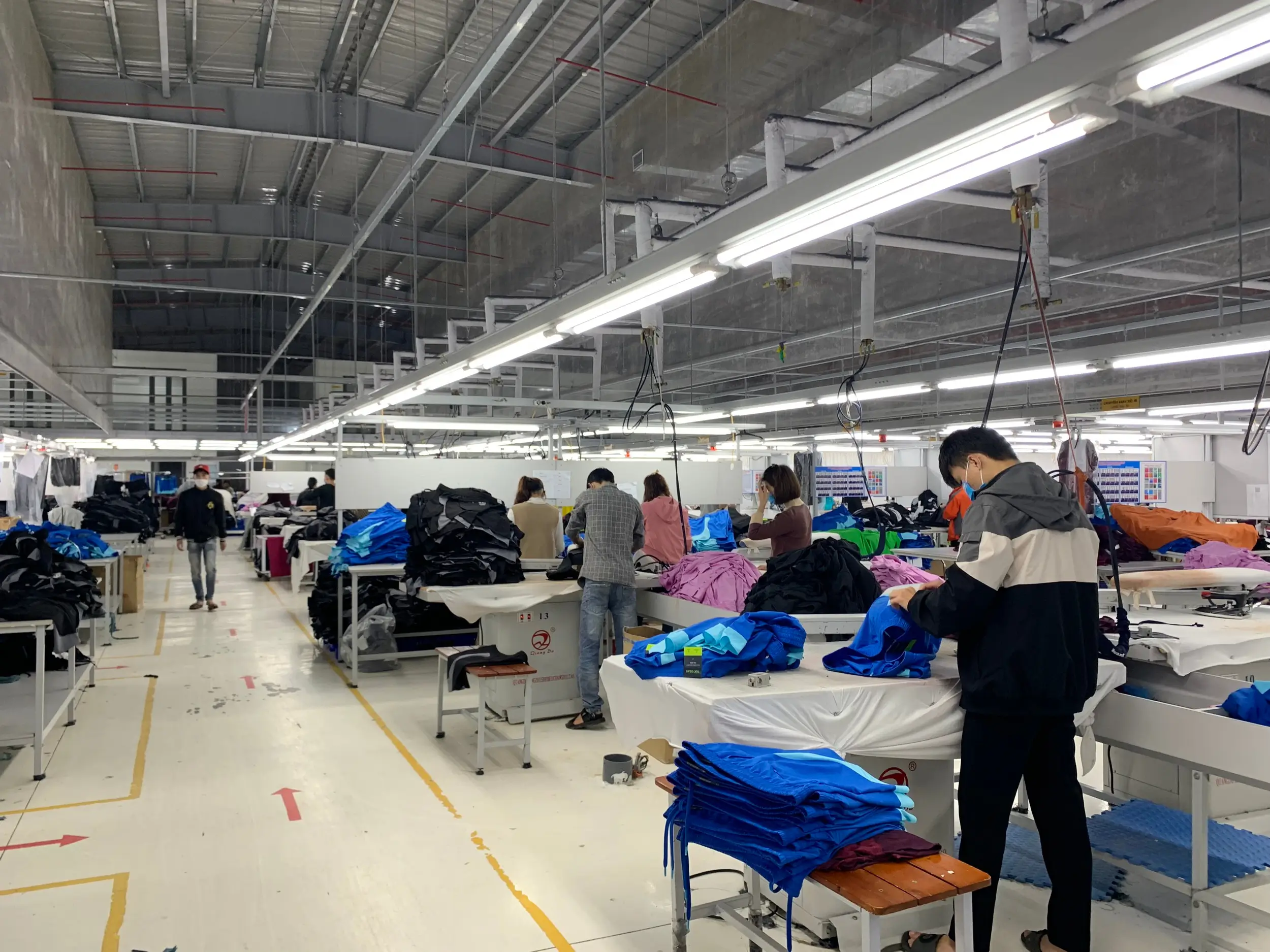
A tech pack, short for technical package, is the blueprint for your garment. It is an exhaustive, highly detailed document that contains every piece of information a factory needs to accurately produce your design. Think of it as the architectural plans for a building; without a comprehensive and precise tech pack, even the best factory will struggle to realize your vision. A professional tech pack includes detailed flat sketches of the garment from multiple angles, clearly illustrating every seam, dart, pocket, and design detail. It must contain a comprehensive Bill of Materials (BOM), listing every single component required for the garment, including the main fabric, lining, trims, zippers, buttons, labels, and thread, complete with specifications on color, composition, and sourcing information. Crucially, the tech pack must include a meticulously detailed graded specification sheet. This sheet outlines the exact measurements for every single point of measurement (POM) on the garment, not just for the base size, but scaled across the entire size range (e.g., XS to XXL). Furthermore, the tech pack should provide explicit instructions on construction techniques, detailing the types of stitches to be used (e.g., flatlock, overlock, coverstitch), the seam allowances, and the placement of any branding elements like logos or heat transfers. Developing a comprehensive tech pack is a complex and highly technical task that requires a deep understanding of pattern making, garment construction, and factory operations. Investing the time and resources to create flawless tech packs is one of the most effective ways to prevent miscommunications, minimize sampling errors, and ensure consistent quality across bulk production runs.
Establishing Quality Control with a Reliable Custom Gym & Activewear Manufacturer
Quality control is the bedrock upon which successful apparel brands are built. In the highly competitive market, where garments are subjected to intense physical stress and frequent washing, even minor defects can lead to significant customer dissatisfaction and severe damage to your brand’s reputation. Establishing rigorous quality control (QC) standards and procedures in close collaboration with your facility is absolutely vital. A proactive partner will have a multi-tiered QC system integrated throughout the entire production process, rather than simply relying on a final inspection before shipping. This begins with an incoming materials inspection, where the facility rigorously tests all fabrics and trims upon arrival to ensure they meet the agreed-upon specifications for color consistency, weight, shrinkage, and physical integrity. During the manufacturing process itself, a top-tier facility will conduct regular in-line inspections. This involves quality control auditors constantly monitoring the production lines, checking garments at various stages of assembly to catch and correct errors—such as crooked stitching, incorrect seam allowances, or misaligned panels—before the garment is fully completed. Finally, a comprehensive end-of-line inspection is performed on the finished products. This final check verifies that the garments meet all dimensional specifications, construction standards, and aesthetic requirements outlined in the tech pack. By partnering with a facility that prioritizes stringent quality control, you mitigate the risk of receiving defective merchandise, reduce costly returns, and ensure that your customers consistently receive premium, high-performing products that enhance your brand’s credibility.
Stitching, Seams, and Durability
The durability of an active garment is largely determined by the quality of its construction, specifically the types of stitching and seams employed. Unlike everyday fashion wear, athletic clothing must withstand significant tension, repeated stretching, and intense friction without failing. The choice of stitching technique is paramount. Flatlock stitching is the gold standard for high-performance apparel, particularly for base layers, leggings, and compression garments. This specialized technique joins two pieces of fabric together edge-to-edge without overlapping, creating a seam that is completely flat on both the inside and outside of the garment. This eliminates the bulk and chafing associated with traditional raised seams, providing maximum comfort during vigorous movement. For areas requiring extreme stretch and resilience, such as waistbands and hems, a coverstitch is often used. This stitch provides a clean, professional finish while allowing the fabric to stretch significantly without breaking the thread. In addition to the type of stitch, the quality of the thread itself is crucial. High-quality, continuous-filament polyester or nylon threads are essential for their high tensile strength and resistance to abrasion. Furthermore, areas of the garment that experience the most stress—such as the crotch gusset in leggings or the armholes in a sports bra—often require reinforcement techniques like bar tacking or double-stitching to prevent catastrophic failure. Meticulous attention to these construction details is what separates premium gear from cheaply made alternatives. Ensuring superior durability through advanced stitching and seam construction is essential for building consumer trust and establishing a reputation for high-quality, long-lasting performance gear.
Understanding Minimum Order Quantities (MOQs) with a Custom Gym & Activewear Manufacturer
One of the most significant financial and operational hurdles for new and growing apparel brands is navigating Minimum Order Quantities (MOQs). MOQs represent the smallest number of units that a factory is willing to produce for a specific design, colorway, or fabric. Understanding and negotiating MOQs is a critical aspect of your relationship with your facility. The reality of industrial garment production is that setting up a production line—which involves sourcing bulk materials, grading patterns, cutting fabrics, and calibrating machinery—requires a significant investment of time and labor. To make this setup process economically viable, a facility must require a minimum volume of production. If you are a startup brand, high MOQs can tie up a massive amount of your capital in inventory, increasing your financial risk and limiting your ability to offer a diverse range of styles. However, it’s important to recognize that a reputable partner is not setting high MOQs arbitrarily; these minimums are often dictated by the constraints of the fabric mills and raw material suppliers further up the supply chain. Finding the right partner involves identifying a facility whose MOQs align with your current business size, capital availability, and growth projections. Some facilities specialize in working with emerging brands and offer lower MOQs, though this often comes with a higher per-unit cost. Others cater to massive global brands, offering rock-bottom per-unit prices but requiring orders in the tens of thousands. Transparent communication regarding your budget, sales forecasts, and long-term vision is essential for negotiating MOQs that allow your brand to scale sustainably without crippling your cash flow.
Balancing Costs and Inventory
Effective inventory management is a delicate balancing act that directly impacts the financial health of an apparel brand. On one hand, producing larger volumes significantly reduces the per-unit cost, improving your profit margins and allowing for more competitive retail pricing. On the other hand, over-ordering ties up precious working capital in unsold stock, incurring storage costs and significantly increasing the risk of holding obsolete or out-of-season inventory that must eventually be heavily discounted or written off. Striking the right balance requires meticulous sales forecasting, a deep understanding of your target market’s purchasing behavior, and a strategic approach to product lifecycle management. Brands must carefully analyze historical sales data, monitor market trends, and factor in lead times to accurately predict demand. The goal is to maintain just enough inventory to fulfill customer orders promptly without accumulating excessive surplus. This is particularly challenging in the fast-paced fashion industry, where trends can shift rapidly. To mitigate these risks, many brands adopt a phased production strategy, starting with smaller initial runs to test the market demand for new styles before committing to larger, more cost-effective bulk orders. Furthermore, establishing a highly responsive and flexible supply chain can help brands react more quickly to unexpected spikes in demand or shifts in consumer preferences. Ultimately, mastering the balance between minimizing unit costs through scale and minimizing the financial risks associated with excess inventory is a core competency required for long-term profitability in the apparel sector.
Sustainable Practices: Finding an Eco-Conscious Custom Gym & Activewear Manufacturer
In today’s socially conscious market, sustainability is no longer merely a niche marketing angle; it is a fundamental expectation for a growing segment of consumers. As awareness of the fashion industry’s massive environmental footprint expands, brands are under increasing pressure to adopt responsible production methods. Aligning your brand with an eco-conscious facility is a critical step in building a sustainable and ethically sound business. A truly sustainable partner goes beyond simply offering a few recycled fabrics; they integrate environmentally responsible practices throughout their entire operation. This includes implementing energy-efficient manufacturing processes, minimizing water consumption, and utilizing advanced wastewater treatment systems to prevent the discharge of toxic dyes and chemicals into local ecosystems. When evaluating a potential facility, you must inquire deeply about their sustainability credentials. Ask for certifications from recognized independent bodies, such as the Global Recycled Standard (GRS), the Organic Content Standard (OCS), or Oeko-Tex Standard 100, which guarantees that textiles are free from harmful substances. Furthermore, a responsible partner will be transparent about their supply chain, allowing you to trace the origins of your raw materials and verify that they are sourced ethically. By partnering with a facility that shares your commitment to environmental stewardship, you can significantly reduce your brand’s ecological impact, appeal to conscious consumers, and future-proof your business against increasingly stringent environmental regulations.
Recycled Materials and Ethical Sourcing
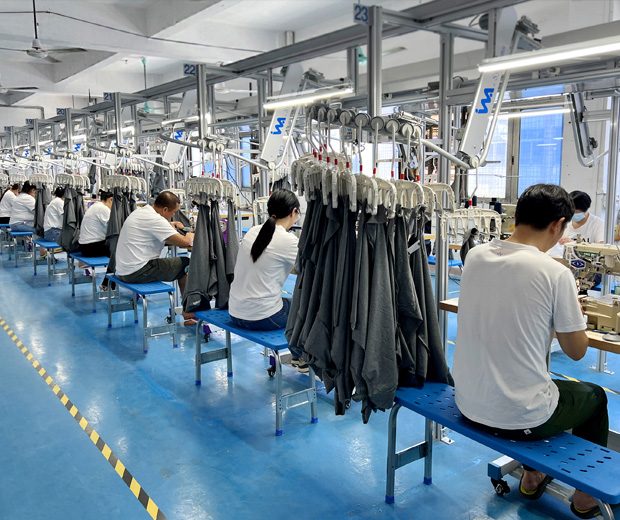
The shift toward sustainable apparel is heavily reliant on the adoption of innovative, eco-friendly materials and rigorous ethical sourcing practices. Traditional synthetic fabrics like virgin polyester and nylon, which are derived from petroleum, have a massive carbon footprint and contribute significantly to microplastic pollution. To combat this, forward-thinking brands are increasingly turning to recycled alternatives. Recycled polyester (rPET), commonly made from post-consumer plastic water bottles, and recycled nylon, often derived from discarded fishing nets and industrial waste, offer performance characteristics virtually identical to their virgin counterparts while dramatically reducing energy consumption and diverting waste from landfills and oceans. Beyond recycled synthetics, the industry is also exploring innovative natural and semi-synthetic fibers, such as organic cotton (grown without toxic pesticides), Tencel Lyocell (produced from sustainably sourced wood pulp using a closed-loop system), and even experimental fabrics made from algae or agricultural byproducts. However, material innovation is only half the equation; ethical sourcing is equally paramount. Brands must ensure that the workers throughout their entire supply chain—from the cotton farmers and yarn spinners to the garment factory workers—are treated fairly, paid living wages, and provided with safe and healthy working conditions. This requires rigorous auditing, a commitment to supply chain transparency, and a willingness to prioritize human rights over minor cost savings. Embracing recycled materials and ethical sourcing is not just a moral imperative; it is essential for building a resilient, modern brand that resonates with the values of today’s discerning consumers.
Scaling Your Operations alongside a Custom Gym & Activewear Manufacturer
As your brand gains traction and sales volume increases, the ability to seamlessly scale your production operations becomes critical to your continued success. Scaling is a complex undertaking that requires foresight, strategic planning, and, crucially, a highly capable partner. The facility that served you perfectly when you were ordering 500 units per style may not have the capacity, infrastructure, or financial stability to handle orders of 50,000 units. As you plan for growth, you must assess whether your current partner can scale alongside you. This involves evaluating their factory capacity, their ability to secure larger volumes of raw materials without significant delays, and their internal systems for managing complex, large-scale production runs. A scalable partner will have robust enterprise resource planning (ERP) systems in place, streamlined communication protocols, and a proven track record of handling high-volume accounts. If your current facility cannot meet your growing demands, you will face the daunting task of sourcing, vetting, and onboarding new partners, a process that can cause significant disruptions to your supply chain and product consistency. Therefore, when initially selecting a facility, it is wise to choose a partner who not only meets your current needs but also possesses the infrastructure and operational maturity to support your long-term growth projections. A strong, scalable partnership is an invaluable asset that allows you to confidently expand your market presence, knowing that your production capabilities can keep pace with your ambition.
Expanding Your Product Lines
For a brand to sustain long-term growth and maximize customer lifetime value, expanding product lines is a necessary strategic move. While a brand might launch with a highly focused core collection—perhaps specializing exclusively in premium women’s leggings—it must eventually diversify its offerings to capture a larger share of the customer’s wallet and cater to a wider range of athletic activities. Product line expansion requires careful market research to identify adjacent categories that align with your brand identity and customer base. For a brand known for yoga apparel, expanding into low-impact sports bras, cozy post-workout loungewear, or grip socks might be a natural progression. Conversely, a brand focused on high-intensity training might expand into specialized compression gear, lightweight running jackets, or durable gym bags. However, every new product category introduces fresh complexities into the design, sourcing, and manufacturing processes. Developing a highly technical running jacket, for instance, requires entirely different fabrics, trims, and construction techniques than producing a basic cotton t-shirt. This underscores the importance of having a versatile and experienced partner capable of handling diverse product types. Successfully expanding your product lines allows you to transition from a niche, single-product company into a comprehensive lifestyle brand, increasing your market resilience and opening up new avenues for revenue generation.
The Role of a Custom Gym & Activewear Manufacturer in Brand Identity
Your brand identity is not merely your logo or your marketing copy; it is the physical manifestation of your brand’s values, quality, and aesthetic vision, as experienced by the customer through your products. In this context, the role of your partner is absolutely foundational. Your facility is the entity responsible for translating your abstract brand concepts into tangible reality. If your brand positioning promises premium, luxury performance wear, but your facility utilizes subpar fabrics, sloppy stitching, or generic, ill-fitting patterns, your brand identity will instantly shatter in the hands of the consumer. A high-caliber partner acts as the guardian of your product quality, ensuring that every garment that leaves their facility perfectly embodies your brand standards. Furthermore, a sophisticated partner can actively contribute to the development of your brand identity through advanced customization options. They can facilitate the creation of custom-dyed fabrics in your exact brand pantones, implement intricate, proprietary stitching patterns that become a signature design element, and expertly execute complex branding applications like high-density silicone prints or custom-molded zipper pulls. By enabling this high degree of personalization and guaranteeing exceptional quality, your partner empowers you to build a cohesive, recognizable, and highly respected brand identity that stands out in a crowded marketplace.
Custom Labels, Tags, and Packaging
The unboxing experience and the subtle details of a garment’s finishing are critical touchpoints that significantly influence a customer’s perception of a brand’s value and attention to detail. Custom labels, tags, and packaging are not mere afterthoughts; they are essential components of a comprehensive branding strategy. Generic, scratchy woven labels or flimsy cardboard hangtags instantly cheapen the perceived quality of even the most well-constructed garment. Premium brands invest heavily in bespoke branding elements that elevate the product. This includes ultra-soft, heat-transfer neck labels that eliminate chafing, high-quality woven hem tags featuring intricate logos, and substantial, beautifully designed hangtags that communicate the garment’s technical features and the brand’s story. Furthermore, custom packaging—such as frosted, reusable EVA zipper bags or eco-friendly, biodegradable mailers printed with the brand’s logo—transforms the delivery of a product into a memorable brand experience. These finishing touches require coordination with specialized suppliers, and managing this process is often a service provided by sophisticated clothing facilities. By meticulously designing and implementing custom labels, tags, and packaging, brands can create a cohesive, premium aesthetic that reinforces their positioning, justifies higher price points, and fosters a sense of exclusivity and luxury that resonates deeply with discerning consumers.
Supply Chain Resilience and Your Custom Gym & Activewear Manufacturer
In an era characterized by global economic volatility, geopolitical tensions, and unpredictable environmental events, supply chain resilience is no longer a theoretical concept; it is a matter of business survival. Your partner sits at the very heart of your supply chain, and their operational resilience directly dictates your brand’s ability to weather disruptions. A fragile supply chain, heavily reliant on a single, inflexible factory or a geographically concentrated network of raw material suppliers, leaves your brand vulnerable to catastrophic delays, stockouts, and massive revenue losses. Evaluating the resilience of a potential facility is a critical due diligence step. You must understand their sourcing networks—do they rely on a single mill for their primary fabric, or do they have diversified, backup suppliers? How do they manage their inventory of raw materials? A highly resilient partner will actively mitigate risk by maintaining strong relationships with multiple, geographically dispersed suppliers for critical components like fabrics, zippers, and specialized threads. Furthermore, they will possess robust contingency plans for power outages, labor shortages, or transportation bottlenecks. In times of crisis, an agile and communicative partner will work collaboratively with you to find alternative solutions, whether that means shifting production lines, air-freighting critical components, or adjusting product designs to accommodate available materials. Building a resilient brand requires partnering with a facility that views supply chain risk management as a core operational priority.
Mitigating Global Logistics Risks
The journey of a finished garment from a factory floor in Asia or South America to a retail distribution center in North America or Europe is fraught with potential logistical hazards. Global logistics is a complex web of freight forwarders, customs brokers, shipping lines, and ground transportation networks, and any disruption within this web can lead to significant delays and escalating costs. Brands must proactively mitigate these risks to ensure timely product delivery and protect their profit margins. This requires a deep understanding of international trade regulations, tariffs, and shipping options. Relying solely on a single mode of transport, such as ocean freight, exposes a brand to immense risk if port congestions, container shortages, or maritime strikes occur. To build resilience, brands must develop diversified logistics strategies, utilizing a mix of ocean freight for high-volume, less time-sensitive goods, and air freight for urgent restocks or high-margin, lightweight items. Furthermore, partnering with experienced and highly reputable freight forwarding companies that possess deep expertise in navigating customs clearance and managing international shipping routes is crucial. Brands must also build buffer time into their production and delivery schedules to absorb inevitable minor delays without disappointing customers or missing critical retail launch windows. By actively managing and mitigating global logistics risks, brands can maintain the reliable flow of inventory that is essential for sustained revenue growth and customer satisfaction.
How a Custom Gym & Activewear Manufacturer Adapts to Fitness Trends
The fitness and wellness landscape is notoriously dynamic, characterized by rapidly shifting consumer preferences, the sudden rise of new workout modalities, and the constant influx of innovative fabric technologies. To remain relevant and competitive, a brand must be incredibly agile, and this agility is largely dependent on the capabilities of its manufacturing partner. A proactive facility does not merely execute orders; they act as a strategic advisor, helping brands anticipate and adapt to emerging trends. When the market shifts abruptly—for example, the explosive rise in popularity of high-waisted, seamless leggings, or the sudden demand for ultra-lightweight, UV-protective fabrics for outdoor training—your partner must have the technical expertise and the supply chain flexibility to pivot quickly. An innovative partner invests continuously in researching new textile technologies, exploring advanced construction techniques (like laser cutting or ultrasonic welding), and updating their machinery to handle new types of materials. They attend global textile trade shows and maintain close relationships with innovative yarn spinners and fabric mills, ensuring they are always at the forefront of material science. By partnering with a forward-looking facility, your brand gains the ability to rapidly develop and deploy cutting-edge products, allowing you to capitalize on fleeting fitness trends and establish your brand as an industry leader in innovation and design.
Athleisure vs. Hardcore Performance Gear
The market is broadly bifurcated into two distinct, though occasionally overlapping, segments: athleisure and hardcore performance gear. Understanding the nuances between these two categories is essential for defining your brand’s positioning and guiding your product development strategy. Athleisure represents the intersection of athletic apparel and everyday fashion. It is designed primarily for comfort, style, and versatility, catering to consumers who want clothing that can seamlessly transition from a light yoga class to running errands or meeting friends for brunch. Athleisure garments often prioritize ultra-soft fabrics, flattering silhouettes, and trend-driven colors, while perhaps sacrificing extreme durability or advanced moisture-wicking capabilities. Hardcore performance gear, conversely, is ruthlessly engineered for intense physical exertion and specialized athletic endeavors. This category demands advanced technical fabrics, highly specialized construction techniques (like targeted compression zones or reinforced abrasion-resistant panels), and an unwavering focus on functionality over pure aesthetics. A garment designed for an ultra-marathon runner requires vastly different material properties and engineering than a stylish hoodie designed for lounging. While some brands attempt to straddle both lines, successfully executing products in either category requires a deep understanding of the specific consumer needs, performance requirements, and appropriate manufacturing techniques. Clear positioning within this spectrum is vital for effective marketing and ensuring your products actually meet the expectations of your target audience.
Overcoming Common Manufacturing Hurdles with a Custom Gym & Activewear Manufacturer
The apparel production process is inherently complex and practically guarantees that challenges will arise. From unexpected fabric flaws and dyeing inconsistencies to delayed shipments of crucial trims or miscommunications regarding pattern grading, the potential for disruption is immense. The true value of an experienced facility is not the complete absence of problems—which is impossible—but rather their ability to rapidly identify, communicate, and effectively resolve these hurdles when they inevitably occur. A less experienced or less scrupulous factory might attempt to hide mistakes, cut corners to make up for lost time, or simply blame the brand for design flaws. In contrast, a professional partner operates with transparency and accountability. When a hurdle arises—perhaps a specific fabric blend is suddenly unavailable, or a complex seam design is causing the fabric to pucker—a reliable facility will immediately notify the brand, clearly explain the technical nature of the problem, and, most importantly, present viable alternative solutions. They will leverage their deep technical expertise to modify the construction technique, suggest an alternative, readily available fabric, or adjust the production schedule to minimize the impact on the final delivery date. Overcoming manufacturing hurdles requires a collaborative, problem-solving mindset, and partnering with a highly communicative and technically proficient facility is the only way to navigate these challenges without compromising product quality or brand integrity.
Communication and Language Barriers
When manufacturing apparel overseas, effective communication is often the single greatest challenge brands face, and it is a common root cause of costly production errors. The complexities of garment construction and the highly technical vocabulary of the textile industry make clear communication difficult even when all parties speak the same language. When you introduce language barriers, different cultural business norms, and massive time zone disparities, the potential for catastrophic misinterpretation multiplies exponentially. Ambiguous instructions, poorly translated tech packs, or subtle nuances lost in email chains can result in garments produced in the wrong fabric, the wrong color, or with incorrect sizing. To overcome these barriers, brands must prioritize absolute clarity and precision in all their communications. This means utilizing exhaustively detailed tech packs that rely heavily on visual diagrams, standardized measurement charts, and universally understood industry terminology, rather than relying on descriptive text. Furthermore, it is highly advantageous to work with facilities that employ dedicated, fluent English-speaking account managers or merchandisers who serve as a reliable bridge between the brand’s design team and the factory floor. Many successful brands also utilize specialized product lifecycle management (PLM) software to centralize all communication, track revisions, and ensure that everyone involved in the production process is referencing the most up-to-date information, thereby drastically reducing the risk of errors caused by miscommunication.
The Financial Aspect of Hiring a Custom Gym & Activewear Manufacturer
Launching and running an apparel brand is a capital-intensive endeavor, and the costs associated with production represent the largest and most critical portion of your budget. Understanding the financial dynamics of working with a facility is absolutely essential for ensuring the profitability and long-term viability of your business. The financial relationship goes far beyond simply negotiating the lowest possible per-unit price (the Free On Board, or FOB price). You must comprehensively analyze the total landed cost of your products, which includes the FOB price, the cost of tooling or molds, sampling fees, packaging costs, freight forwarder fees, shipping insurance, and crucial import duties or tariffs. An inexperienced brand might select a facility based solely on a remarkably low FOB price, only to discover that exorbitant shipping costs and high import tariffs render the final product completely unprofitable. Furthermore, you must carefully negotiate payment terms. Most facilities require a substantial deposit (often 30% to 50%) upfront before they will order raw materials or begin production, with the balance due before the goods are shipped. Managing this cash flow cycle—where you are paying for goods months before you can sell them and generate revenue—is one of the most difficult financial challenges for an apparel business. A strong, trusting relationship with a reputable partner can sometimes lead to more favorable payment terms, such as letters of credit or extended payment windows, which can significantly alleviate cash flow pressure and facilitate faster business growth.
Calculating Profit Margins
A deep, uncompromising understanding of profit margins is the lifeblood of any successful apparel business. Without accurate margin calculations, a brand is essentially flying blind, risking insolvency even if sales volume appears strong. The two critical metrics are gross margin and net margin. Gross margin is the difference between the retail selling price of a garment and its Total Landed Cost (which, as previously mentioned, includes production, shipping, and duties). In the active apparel industry, a healthy gross margin is typically considered to be between 50% and 70% for direct-to-consumer (DTC) brands, and often higher if the brand plans to sell wholesale to retailers. This substantial gross margin is absolutely necessary to cover the brand’s operating expenses—which dictate the net margin. Operating expenses encompass everything required to run the business outside of creating the product: marketing and customer acquisition costs, website hosting, warehousing and fulfillment fees, salaries, photography, and returns processing. If a brand underestimates its Total Landed Cost or sets its retail prices too low in an attempt to undercut competitors, the gross margin will shrink. If the gross margin is insufficient to cover the operating expenses, the business will lose money on every item sold. Therefore, rigorous, hyper-accurate cost accounting and strategic pricing are fundamental. Brands must constantly analyze their costs, negotiate effectively with suppliers, and build enough perceived value into their brand to justify retail prices that support healthy, sustainable profit margins.
Building a Long-Term Relationship with Your Custom Gym & Activewear Manufacturer
In the volatile world of apparel production, constantly jumping from factory to factory in search of slightly lower prices is a recipe for disaster. It leads to inconsistent product quality, disrupted supply chains, and the constant, exhausting process of onboarding new partners. The most successful and resilient apparel brands view their facility not merely as a disposable vendor, but as a long-term, strategic partner. Building a deep, mutually beneficial relationship with your facility yields immense dividends over time. As your partner becomes intimately familiar with your brand’s specific quality standards, fit preferences, and aesthetic sensibilities, the sampling process becomes significantly faster and more accurate, and the rate of production errors plummets. A trusted facility will prioritize your production runs during peak seasons, allocate their most skilled workers to your complex designs, and actively proactively source new, innovative fabrics that align with your brand’s vision. Furthermore, a strong relationship fosters transparency and collaboration when inevitable problems arise, allowing both parties to work together toward solutions rather than engaging in adversarial finger-pointing. Cultivating this kind of partnership requires treating your facility with respect, communicating clearly and consistently, paying invoices promptly, and understanding that they, too, are running a business that requires healthy margins to survive and invest in better capabilities.
Loyalty, Trust, and Mutual Growth
The foundation of any enduring partnership is built on a bedrock of loyalty, trust, and a shared commitment to mutual growth. Trust is established over time through consistent, reliable actions. A brand builds trust with its facility by providing clear, accurate tech packs, adhering to agreed-upon timelines (such as not making late design changes), and fulfilling financial obligations promptly. Conversely, a facility builds trust with a brand by consistently delivering high-quality products that meet specifications, communicating transparently about potential delays or material shortages, and maintaining ethical labor practices. When this mutual trust is established, a powerful synergy occurs. The brand can confidently invest in marketing and scaling its operations, knowing its supply chain is secure. The facility, in turn, can confidently invest in new machinery, specialized training for its workforce, or expanded capacity, knowing it has a loyal, growing client that will provide consistent business. This loyalty is often tested during difficult times—such as global supply chain disruptions or sudden economic downturns. In these moments, true partners collaborate to absorb the impact, perhaps by renegotiating minimums temporarily or sharing the burden of increased shipping costs, rather than abandoning the relationship. Ultimately, a partnership based on trust and mutual growth creates a powerful competitive advantage, allowing both the brand and the facility to achieve levels of success that would be impossible to reach independently.
Technology Integration by a Modern Custom Gym & Activewear Manufacturer
The garment production industry, historically reliant on manual labor and traditional techniques, is currently undergoing a massive technological revolution. A modern, forward-thinking facility embraces advanced technologies to dramatically improve efficiency, enhance precision, and reduce waste. The integration of technology fundamentally alters the capabilities of a facility. One of the most significant advancements is the use of automated, computerized cutting machines. These machines use lasers or high-speed reciprocating blades driven by sophisticated software algorithms to cut fabric with millimeter precision. This not only ensures absolute consistency across thousands of garments but also utilizes advanced nesting software to maximize fabric usage, drastically reducing material waste and lowering costs. Furthermore, many elite facilities now utilize computerized sewing machines that can be programmed to execute complex, intricate stitch patterns with flawless uniformity, reducing the reliance on highly specialized manual labor for certain operations. Technology is also revolutionizing supply chain management and communication. Cloud-based Product Lifecycle Management (PLM) software allows the brand’s design team and the facility’s production managers to collaborate in real-time, tracking the status of samples, updating tech packs instantly, and ensuring that everyone is working from the same, accurate data. By partnering with a facility that heavily invests in technological integration, brands benefit from faster production cycles, superior quality control, and a more sustainable, efficient production process.
3D Modeling and Virtual Sampling
Perhaps the most disruptive technological advancement in apparel development is the rapid adoption of 3D modeling and virtual sampling software. Historically, the prototyping phase required creating multiple physical samples—a process that is incredibly slow, expensive, and generates a significant amount of material waste and carbon emissions from shipping samples back and forth across the globe. Today, advanced 3D design software (such as CLO 3D or Browzwear) allows designers and pattern makers to create hyper-realistic, three-dimensional digital garments. These digital prototypes accurately simulate the drape, tension, and movement of specific fabrics on a customized digital avatar. Brands can evaluate the fit, experiment with different colorways, and adjust the placement of seams or logos in real-time on a computer screen. This technology drastically reduces the need for early-stage physical prototypes. A brand can finalize 80% to 90% of the design decisions digitally before ever requesting a physical sample from the facility. This virtual sampling process cuts weeks or even months out of the product development timeline, significantly reduces sampling costs, and is vastly more environmentally sustainable. Furthermore, these high-fidelity 3D renders can be used for early marketing materials, allowing brands to gauge consumer interest or run pre-sale campaigns before bulk production even begins. Embracing 3D modeling is essential for modern brands looking to accelerate their speed-to-market and streamline their development processes.
Final Thoughts: Taking the Next Step with a Custom Gym & Activewear Manufacturer
The journey of building a successful fitness apparel brand is complex, demanding, and intensely rewarding. It requires a potent combination of creative vision, meticulous operational execution, and a deep understanding of the market. However, none of this is possible without the right production partner. Choosing the correct facility is the single most consequential decision you will make; it is the pivot point upon which your brand will either scale to incredible heights or struggle with endless operational nightmares. As we have explored in exhaustive detail, an exceptional partner offers far more than just sewing machines and labor. They provide critical expertise in technical fabric sourcing, precise pattern grading, rigorous quality control, and scalable production infrastructure. They act as your technical advisors, your problem solvers, and the ultimate guardians of your brand’s physical identity. Do not rush this decision. Invest the necessary time and capital to thoroughly vet potential partners, demand transparency, and prioritize long-term strategic alignment over minor, short-term cost savings. When you find a facility that shares your commitment to excellence, innovation, and ethical practices, you forge a powerful alliance that will drive your business forward. The active apparel market is booming, but it is also unforgiving to brands that compromise on quality. Equip yourself with the knowledge outlined in this guide, demand excellence, and take the decisive step toward realizing your vision by partnering with a world-class production facility.
If you are ready to elevate your brand and begin this journey, contact us today to discuss your vision.