
The Great Cycling Renaissance: Rediscovering the Open Road
Cycling is a sport, a hobby, a mode of transportation, and for many, a deeply ingrained way of life. The rhythmic turning of the pedals, the rush of the wind against your face, and the burning sensation in your legs all culminate in an experience that is nothing short of transcendental. Over the last decade, we have witnessed a massive resurgence in the popularity of cycling. This renaissance isn’t just about more bikes on the road; it’s about a cultural shift toward health, sustainability, and community. From urban commuters navigating the concrete jungles to professional athletes scaling the legendary climbs of the French Alps, the bicycle represents freedom. When you step out your door and clip into your pedals, you leave the stresses of modern life behind. You enter a state of flow where the only things that matter are the road ahead, your breathing, and the harmonious mechanical hum of your drivetrain. Yet, to truly unlock this state of zen, one must be properly equipped. The journey to the perfect ride is paved with meticulous choices, and nothing is more critical than the garments you wear. As any seasoned rider knows, the pursuit of perfection often leads directly to a Custom Cycling Apparel Manufacturer. Such a partnership ensures that every stitch, seam, and zipper is optimized for your unique biomechanics, allowing you to ride longer, faster, and with unparalleled comfort. The open road is calling, but how you answer that call depends heavily on your preparation.
The Anatomy of a Cyclist’s Wardrobe: Moving Beyond the Basics
Moving beyond the basics of a simple helmet and a pair of padded shorts opens up a world of technical innovation. The anatomy of a modern cyclist’s wardrobe is a marvel of material science and ergonomic engineering. At the core is the bib short, arguably the most important piece of clothing you will ever own as a rider. The chamois—the padded insert—must provide cushioning without bulk, wicking away moisture to prevent saddle sores. Then comes the base layer, a critical component for regulating core body temperature in both blistering heat and freezing cold. Over this sits the jersey, which must fit like a second skin to reduce wind resistance while providing ample pocket space for nutrition, tools, and spare tubes. Let us not forget the accessories: arm warmers, knee warmers, shoe covers, and gloves. Every individual piece must work in perfect harmony. It is a complex ecosystem of textiles. This is exactly why sourcing your gear from a premium Custom Cycling Apparel Manufacturer makes such a profound difference. They understand how these pieces interact, ensuring that the silicone grippers on your shorts don’t conflict with the hem of your jersey, creating a seamless, aerodynamic profile that slices through the wind.
Why Off-the-Rack Often Fails the Dedicated Rider
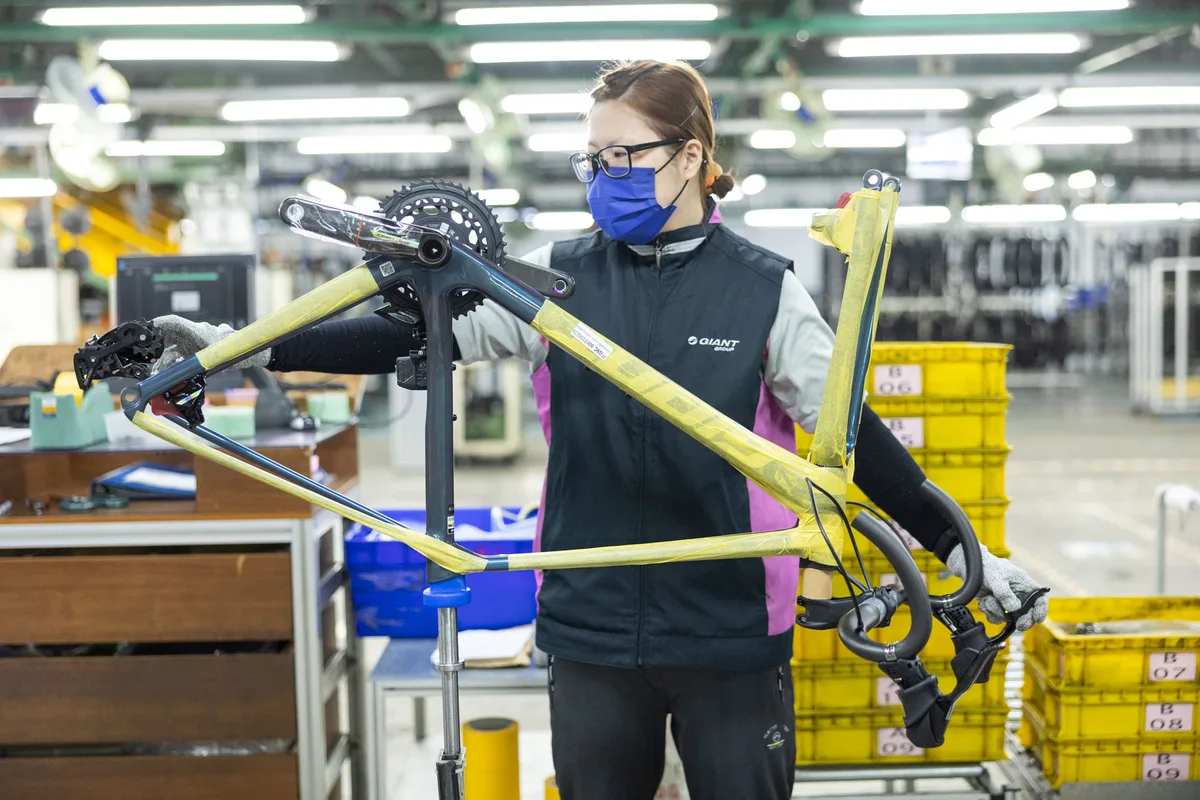
We’ve all been there: staring at a rack of cycling jerseys in a big-box sporting goods store, trying to decipher the erratic sizing charts. Off-the-rack clothing is designed using a statistical average, a mythical standard body type that rarely exists in the real world. Cyclists come in all shapes and sizes. Some have massive quads and narrow waists; others have broad shoulders and long torsos. When you force a unique body into a generic garment, compromises are inevitable. The jersey might fit across the chest but billow like a parachute around the stomach. The bib straps might dig painfully into your shoulders, or the chamois might be positioned just slightly too far back, rendering it useless when you rotate into an aggressive riding position. These compromises are not just uncomfortable; they degrade your performance and enjoyment of the sport. Every watt of energy spent fighting your clothing is a watt not going into the pedals. By bypassing the retail gamble and working directly with a Custom Cycling Apparel Manufacturer, you eliminate these compromises. You receive garments tailored to your specific measurements, riding style, and anatomical quirks, effectively erasing the friction between your body and the bike.
The Transformative Power of Professional Tailoring
Professional tailoring in the context of cycling isn’t about vanity; it’s about biomechanical optimization. Think of it like getting a professional bike fit. You wouldn’t ride a frame that is two sizes too small, so why would you wear clothing that restricts your diaphragm or pinches your femoral artery? When you slip into a kit that has been meticulously crafted for your dimensions, the sensation is transformative. The fabric feels weightless. It moves with your body, stretching and compressing in exact accordance with your pedal stroke. This level of synchronization reduces muscle fatigue, as your body doesn’t have to fight against the resistance of the fabric. Furthermore, precise tailoring ensures that moisture management systems work effectively. Technical fabrics need to sit flush against the skin to draw sweat away and facilitate evaporation. If a jersey is too loose, sweat pools and cools, leading to a drastic drop in core temperature during descents. The expertise of a dedicated Custom Cycling Apparel Manufacturer ensures that every panel of fabric is cut on the bias, aligning the stretch of the material with the natural movements of your body, resulting in a ride that feels effortless and sublime.
Unlocking Peak Performance Through Precise Fit
Unlocking peak performance requires an unrelenting attention to detail. At the highest levels of the sport, the difference between standing on the podium and finishing back in the peloton is often measured in fractions of a second. While most of us are not competing in the Tour de France, we all want to achieve our personal bests. Precise fit is a cornerstone of performance enhancement. When your clothing fits flawlessly, your aerodynamics improve significantly. A staggering amount of aerodynamic drag is caused by the rider’s body, and loose, flapping clothing exacerbates this drag exponentially. Tightening up your silhouette by utilizing gear from a specialized Custom Cycling Apparel Manufacturer can yield watt savings comparable to buying a highly expensive aerodynamic wheelset, but at a fraction of the cost. Moreover, proper fit enhances blood flow. Compression fabrics, when tailored correctly, help stabilize muscles, reduce vibration, and promote venous return, flushing lactic acid from the legs more efficiently. Thus, precision fit is not merely a luxury; it is a vital performance metric that discerning cyclists must prioritize to reach the pinnacle of their potential.
The Psychology of Kit Doping: Look Fast, Ride Faster
In the cycling world, there is a well-known phenomenon colloquially referred to as kit doping. It has nothing to do with illegal substances and everything to do with sports psychology. The premise is simple: when you look good, you feel good, and when you feel good, you ride exceptionally well. Donning a fresh, striking, perfectly fitted kit provides an immediate psychological boost. It instills a sense of confidence, professionalism, and readiness. It tells your brain that it is time to perform. This mental edge can be the difference between abandoning a grueling interval session and pushing through the pain barrier. When you catch your reflection in a storefront window and see a sleek, cohesive silhouette, it reinforces your identity as an athlete. The psychological impact of a unified team aesthetic is equally powerful. Rolling up to a starting line in matching, high-quality gear signals to your competitors that you are organized, serious, and formidable. To achieve this level of visual impact, relying on a Custom Cycling Apparel Manufacturer is essential. They possess the design capabilities and color-matching technology to turn a conceptual vision into a striking, morale-boosting reality.
Designing Your Team’s Unique Visual Identity
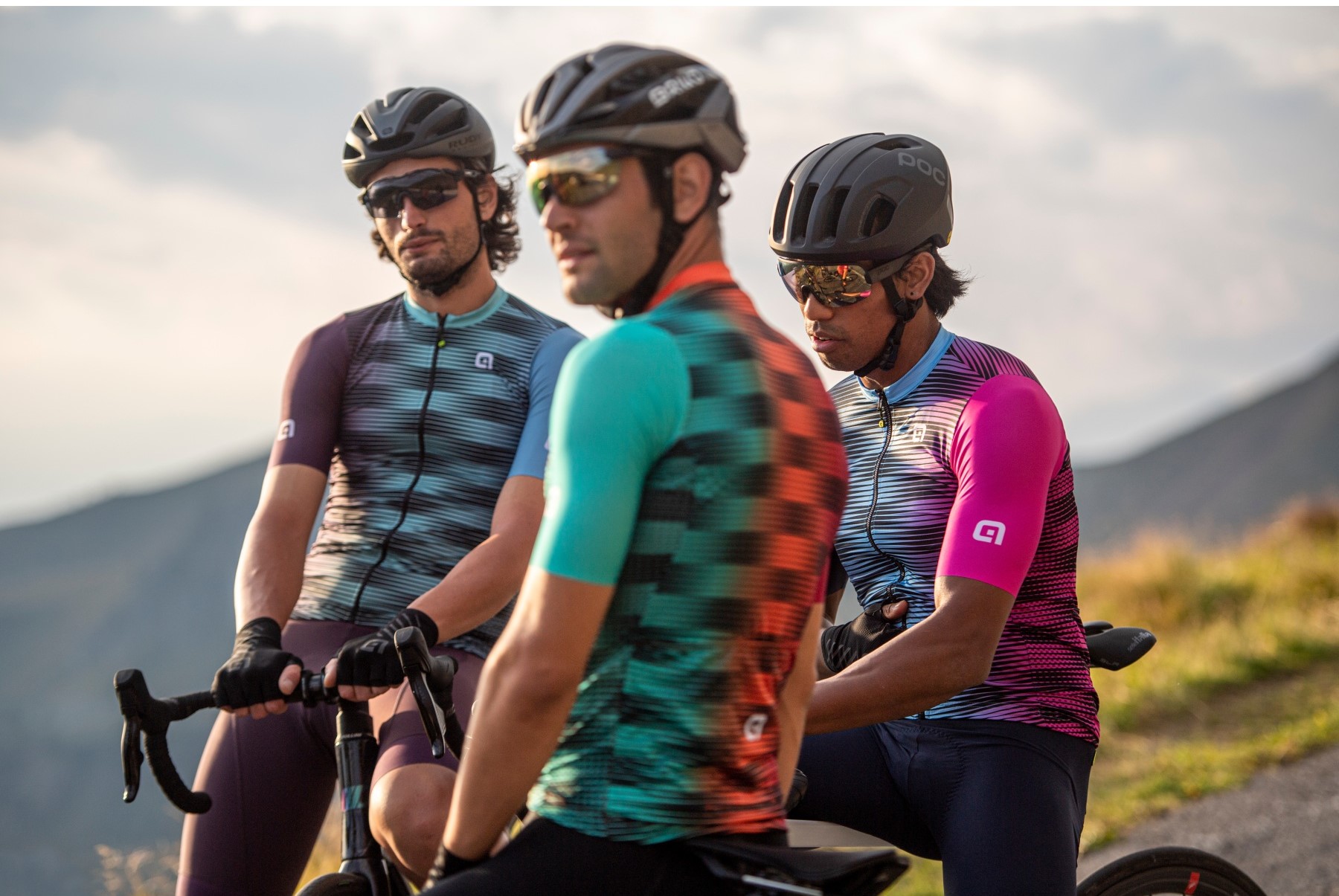
A team’s visual identity is its signature on the road. It is how you recognize your breakaway companions from half a mile away, and it is how you build a lasting legacy within your local cycling community. Designing a custom kit is an intricate art form. It requires balancing sponsor logos, team colors, high-visibility elements, and modern aesthetics into a single, cohesive design that looks stunning both at 25 miles per hour and while sipping an espresso at the mid-ride café stop. This process involves selecting Pantone colors that pop under the harsh midday sun, choosing patterns that flatter a variety of body types in the riding position, and ensuring that the design scales correctly across different sizes. A truly outstanding Custom Cycling Apparel Manufacturer doesn’t just print logos on a blank jersey; they act as creative partners. They understand the nuances of dye-sublimation printing, ensuring that colors won’t fade after countless hours in the sun and repeated cycles in the washing machine. They help you craft a visual identity that your team will wear with immense pride, fostering camaraderie and a deep sense of belonging among the riders.
Aerodynamics and Fabric Innovation in the 21st Century
The 21st century has seen an explosion of innovation in sports textiles, fundamentally altering how cycling apparel is constructed. We are no longer limited to heavy wools or early-generation, suffocating synthetics. Today’s fabrics are marvels of engineering, featuring complex microscopic structures designed to manipulate airflow and manage moisture with unprecedented efficiency. Dimpled fabrics, mimicking the surface of a golf ball, are strategically placed on leading edges like the shoulders and arms to trip the boundary layer of air, reducing the turbulent wake behind the rider. Other materials are interwoven with ceramic particles to reflect UV rays and reduce surface temperature, or infused with silver ions for permanent antibacterial properties. Navigating this sea of technological advancements requires profound expertise. This is where the R&D department of a cutting-edge Custom Cycling Apparel Manufacturer proves invaluable. They continuously source and test the latest textiles from around the globe, ensuring that their garments represent the absolute bleeding edge of aerodynamic and thermal performance. By leveraging these innovations, cyclists can sustain higher speeds with lower physiological output, fundamentally altering the calculus of endurance sports.
The Endless Battle Against Aerodynamic Drag
Aerodynamic drag is the invisible enemy of every cyclist. Once you surpass 15 miles per hour, the vast majority of your energy is expended simply pushing through the air. As speeds increase, the power required to overcome air resistance increases exponentially. Therefore, managing your aerodynamic profile is the single most effective way to go faster. While aero frames, deep-section wheels, and sleek helmets all play a role, the rider’s body accounts for roughly 80 percent of total drag. The clothing you wear is the surface that interacts most with the wind. Seam placement, fabric texture, and fit tension all contribute to your overall aerodynamic efficiency. Wind tunnel testing has consistently proven that optimized apparel yields massive time savings over long distances. The best way to access this tier of performance is by collaborating with a top-flight Custom Cycling Apparel Manufacturer that utilizes computational fluid dynamics and real-world wind tunnel data to pattern their garments. They understand that a seam placed perpendicular to the airflow causes disruptive turbulence, whereas carefully mapped directional fabrics can actually help reattach the airflow, slicing through the atmosphere with lethal efficiency.
Sourcing the Absolute Best Gear: What to Look For
When navigating the saturated market of cycling gear, discerning quality can be a daunting task. The price tag is not always a reliable indicator of performance or durability. To source the absolute best gear, you must look beyond the marketing jargon and examine the fundamental construction of the garments. First, look at the stitching. Flatlock seams are essential for preventing chafing, but they must be executed flawlessly with high-tensile threads to withstand the repetitive stretching of pedaling. Second, examine the zippers. A high-quality locking zipper mechanism prevents the jersey from slowly unzipping during a rigorous climb. Third, scrutinize the chamois pad. It should feature variable density foams, with thicker support under the sit bones and thinner, more flexible material elsewhere. It should also be seamlessly integrated into the bib shorts to prevent migration. Finding an apparel partner that hits all these marks consistently is rare. This is why many serious clubs and independent riders turn exclusively to a trusted Custom Cycling Apparel Manufacturer to fulfill their needs. This direct relationship allows riders to stipulate exact quality requirements, ensuring that the final product is not merely adequate, but exceptional in every conceivable metric.
The Sustainability Question in Technical Sports Wear
As the cycling community grows, so too does its awareness of its environmental footprint. Bicycling is inherently a green mode of transportation, but the production of technical sporting apparel historically has not been. The synthetic fabrics that provide such excellent moisture wicking and aerodynamics are typically derived from petroleum. Furthermore, the chemical dyes and finishing treatments used to color and protect these fabrics can be environmentally toxic if not managed properly. However, the paradigm is rapidly shifting. Modern cyclists are demanding eco-conscious alternatives without sacrificing performance. We are seeing a massive rise in the use of recycled polyesters, nylon derived from discarded fishing nets, and biodegradable elastane alternatives. Furthermore, closed-loop dyeing processes are drastically reducing water waste. A progressive, forward-thinking Custom Cycling Apparel Manufacturer will transparently integrate these sustainable practices into their supply chain. They will offer fabrics certified by ecological organizations, guaranteeing that the garments are free from harmful substances and produced under safe, environmentally friendly conditions. By choosing sustainably sourced custom apparel, riders can protect the natural environments they so deeply cherish while still enjoying top-tier athletic performance.
Nutrition and Hydration: Fueling the Endless Miles
You can have the most aerodynamically perfect bicycle and the most technologically advanced clothing, but if your internal engine runs out of fuel, you will inevitably come to a grinding halt. Nutrition and hydration are the absolute bedrock of endurance cycling. The human body can only store a finite amount of glycogen, typically enough for about 90 minutes of vigorous exercise. Beyond that threshold, you must constantly replenish your carbohydrate stores, or you will suffer the dreaded bonk—a state of catastrophic physiological collapse. The modern cyclist must be a master of moving logistics, calculating their intake of calories, electrolytes, and fluids per hour. They consume a staggering array of gels, chews, bars, and electrolyte powders, all carefully engineered for rapid gastric emptying. But how does one carry all this fuel? This brings us back to apparel. The design of your pockets is critical. They must be deep enough to securely hold your supplies, tight enough to prevent bouncing, and accessible enough to reach into while maintaining a paceline at 25 miles per hour. An experienced Custom Cycling Apparel Manufacturer understands this ergonomic challenge intimately, engineering reinforced pockets with angled access points that make mid-ride fueling a seamless operation.
The Intricate Symbiosis of Gear and Guts
The relationship between your gear and your physiology is a complex, intricate symbiosis. When you are suffering on a steep gradient, your heart rate redlining, and your lungs burning for oxygen, you should not be battling a zipper that refuses to open or a bib strap that is restricting your breathing. Your clothing should fade entirely into the background, allowing you to focus entirely on the physical effort. Conversely, poor gear exacerbates physical suffering. A saddle sore caused by an inferior chamois will force you to alter your pedal stroke, leading to knee pain and lower back spasms. This domino effect of misery is entirely preventable. Investing in high-quality equipment is an investment in your bodily health. By utilizing the services of an elite Custom Cycling Apparel Manufacturer, you are creating a harmonious environment where your physical output is perfectly supported by your equipment. This symbiosis extends to recovery as well. Compression garments worn post-ride help facilitate venous return, flushing metabolic waste from the muscles and reducing soreness, allowing you to get back on the bike feeling fresher, faster.
Preparing Your Mind and Body for the Ultimate Gran Fondo
A Gran Fondo is the marathon of the cycling world. These mass-participation events often span well over 100 miles, taking riders over grueling mountainous terrain and testing the absolute limits of their endurance. Preparing for a Gran Fondo requires months of dedicated training, a meticulous tapering strategy, and an ironclad mental constitution. You must build your aerobic base, increase your lactate threshold, and learn how to suffer gracefully. The mental aspect cannot be overstated; there will inevitably be a moment during the ride where your mind begs you to stop. Overcoming that internal voice requires extreme fortitude and unyielding confidence in your preparation. Part of that preparation is eliminating every possible variable that could lead to a mechanical or physical failure. This is why gear selection for a Gran Fondo is so critical. You need apparel that will perform flawlessly for six, eight, or even ten hours in the saddle. A single abrasive seam can become a bloody welt over that duration. Choosing to ride in a kit designed specifically for your body by a premium Custom Cycling Apparel Manufacturer provides the profound peace of mind needed to conquer the distance, knowing that your clothing will not be the weak link in the chain.
Weathering the Harsh Elements in Complete Comfort
Mother Nature is notoriously fickle, and cyclists are highly exposed to her whims. A ride that begins under sunny, clear skies can easily end in a torrential downpour or a biting crosswind. Weathering the elements in comfort requires a versatile, highly adaptive layering system. The traditional approach of simply putting on a heavy jacket is deeply flawed, as it quickly leads to overheating and massive sweat accumulation from within. Instead, the modern cyclist relies on ultra-lightweight, packable layers. A windproof, water-resistant vest is perhaps the most versatile piece of clothing you can own, keeping your core warm while allowing your arms to ventilate. Knee warmers and arm warmers can be quickly removed and stashed in a pocket as the day warms up. High-tech rain jackets now feature semi-permeable membranes that block rain from the outside while allowing vaporized sweat to escape from the inside. When you need a team fleet of these highly technical garments, you must turn to a sophisticated Custom Cycling Apparel Manufacturer. They have access to the proprietary membranes and water repellent coatings necessary to construct garments that can truly withstand the fury of the elements.
Group Rides, Local Etiquette, and Peloton Dynamics
Cycling can be a solitary pursuit, a moving meditation where the rider finds peace in the rhythm of their own breathing. However, the true heartbeat of the sport lies in the group ride. Riding in a peloton is a thrilling, dynamic experience that requires extreme focus, trust, and a deep understanding of local etiquette. A group of cyclists riding in close formation can save up to 30 percent of their energy by drafting in the slipstream of the riders ahead. This aerodynamic advantage allows the group to travel at speeds that would be impossible for an individual to maintain alone. But this efficiency comes with inherent risks. When wheels are inches apart, a sudden braking maneuver or an unexpected swerve can cause a catastrophic pile-up. Therefore, communication is paramount. Riders use a complex language of hand signals and verbal shouts to point out potholes, gravel, parked cars, and changes in pace. The etiquette of the group ride is sacrosanct. You do not half-wheel the rider next to you, you pull through smoothly without accelerating abruptly, and you always hold your line through corners. Understanding these dynamics is what elevates a strong individual into a respected member of the local cycling community.
Mastering the Unspoken Rules of the Paceline
The paceline is the ultimate expression of teamwork in cycling. It is a rotating formation where riders take turns breaking the wind at the front before peeling off and dropping to the back of the line to recover. Mastering the paceline is essential for participating in fast group rides or amateur racing. There are several variations: the single paceline, the double paceline, and the grueling echelon, which is formed in heavy crosswinds. The unspoken rules of the paceline dictate a smooth, almost poetic rotation. When your turn at the front is over, you flick your elbow to signal the rider behind you, safely move to the designated side, and softly pedal as you drift to the rear. The most common mistake novices make is accelerating when they hit the front, tearing the legs off the riders behind them. The goal is to maintain a constant speed, not constant power. When you hit the front, you must increase your power output just to maintain the same velocity the group was already traveling. It is a delicate dance of effort and recovery, a high-speed ballet that requires intense concentration and profound respect for the riders sharing the road with you. If you want more information on getting your club outfitted properly for these group rides, you can always contact us.
Gravel Grinding: Exploring the Exciting New Frontier
In recent years, the cycling world has experienced a massive tectonic shift away from heavily trafficked paved roads and toward the unpaved wilderness. Gravel grinding is the new frontier, combining the speed and efficiency of road cycling with the technical handling and adventurous spirit of mountain biking. This explosive growth is driven by a desire for safety—escaping the dangers of distracted drivers—and a deep-seated yearning to explore the forgotten, rustic backroads that crisscross the countryside. Gravel riding is inherently less structured and more egalitarian than traditional road racing. The events are often massive, self-supported epics where finishing is a triumph in itself. The terrain can vary wildly, from smooth, hard-packed dirt roads to treacherous, tire-shredding flint and deep, energy-sapping sand. This unpredictable environment places entirely new demands on the rider’s skill set and their equipment. You must learn how to float over washboard descents, maintain traction on loose climbs, and carry enough water and tools to survive in remote areas far from cell service or convenience stores. Gravel grinding has injected a profound sense of fun and rugged exploration back into a sport that was in danger of becoming overly sterile and data-driven.
Adapting Your Equipment for the Unpaved Path
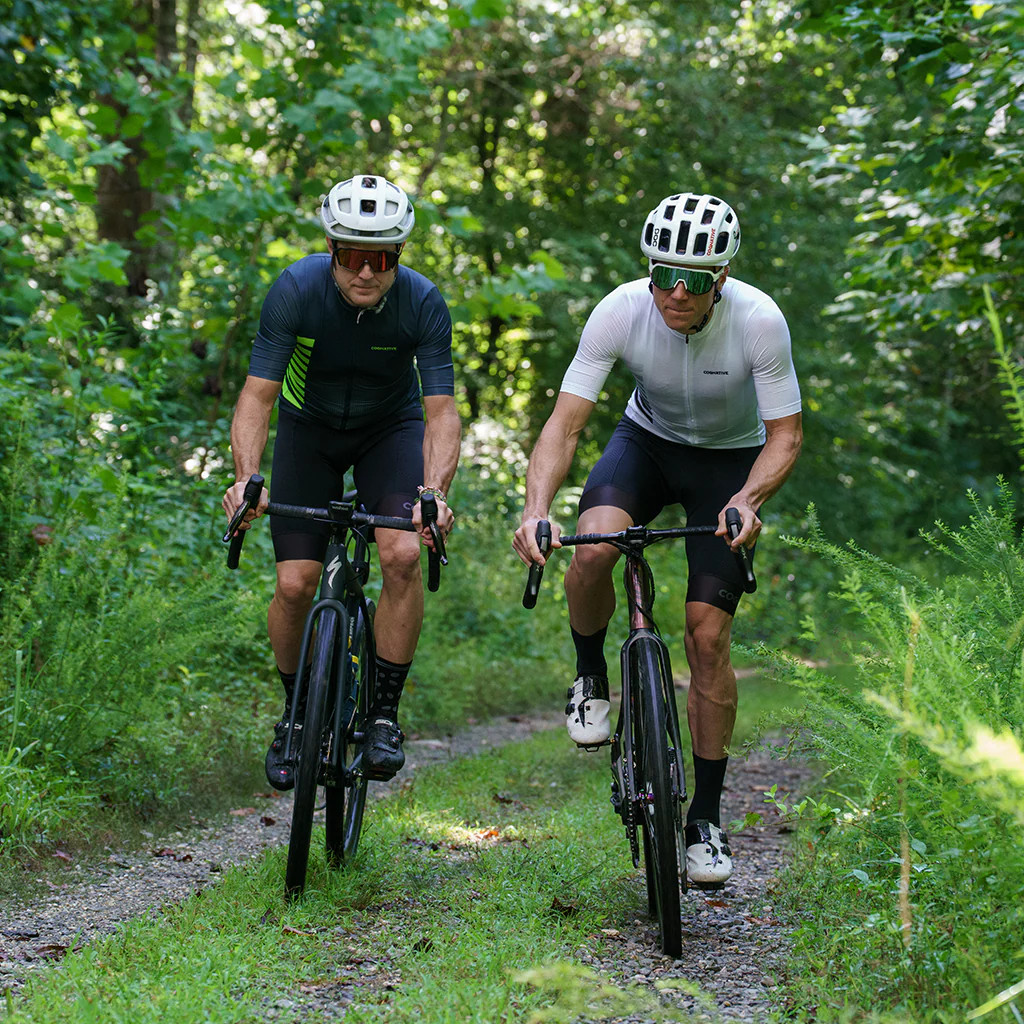
Taking on the gravel requires a specialized steed. You cannot simply ride a delicate carbon road bike with 25mm slick tires down a rocky fire road without expecting a catastrophic failure. The modern gravel bike features a slacker geometry for increased stability on loose descents, massive tire clearance to accommodate rubber up to 50mm wide, and numerous mounting points for carrying bikepacking bags and extra water bottles. The drivetrain must also adapt; many gravel riders utilize a single chainring setup with a massive rear cassette to provide a wide range of gears without the complexity and mud-clogging potential of a front derailleur. Furthermore, your attire must evolve. While aerodynamics still matter, durability and storage become paramount. Gravel-specific apparel often features abrasion-resistant panels to protect against snagging branches and inevitable crashes. Cargo bib shorts, which feature extra mesh pockets on the thighs and lower back, have become immensely popular, allowing riders to securely carry extra gels, multi-tools, and tire plugs. Adapting your equipment for the unpaved path is an exercise in balancing speed with rugged survivability, ensuring that you can confidently venture into the unknown and reliably make it back home.
Maintenance and Longevity: Caring for Your Steed and Threads
A bicycle is a beautifully simple machine, yet it requires rigorous, consistent maintenance to operate at peak efficiency. Neglecting your equipment not only degrades performance but can also lead to dangerous mechanical failures at high speeds. Caring for your steed begins with keeping it immaculately clean. A dirty drivetrain creates immense friction, prematurely wearing out your expensive chain, cassette, and chainrings. Regular degreasing and relubrication of the chain are mandatory. You must also routinely check your tire pressure, inspect the casing for cuts or embedded debris, and ensure that your brake pads have sufficient life left. But maintenance extends beyond the hard goods; caring for your expensive technical threads is equally crucial. Modern athletic fabrics are delicate. They must be washed immediately after a sweaty ride to prevent bacteria from degrading the synthetic fibers and permanently embedding foul odors. Always wash your kit in cold water on a gentle cycle, using a sport-specific detergent that doesn’t contain fabric softeners or heavy perfumes, which can clog the moisture-wicking pores of the fabric. Never, under any circumstances, put your tailored gear in a hot dryer. Hang them to dry in a shaded, well-ventilated area to preserve the elasticity of the spandex and the integrity of the chamois.
The Essential Ritual of the Pre-Ride Inspection
Before you throw a leg over the top tube and embark on your journey, you must perform the essential ritual of the pre-ride inspection. This is the M-Check, a systematic sweep of the bicycle that ensures everything is safe and functional. Start at the front hub, checking the quick release or thru-axle for tightness. Move up to the handlebars, ensuring the stem faceplate bolts are torqued correctly and the headset bears no play. Check the front brake for firm engagement. Move down to the bottom bracket, checking the crank arms for any lateral looseness. Inspect the pedals to ensure they spin freely but lack excessive play. Move back up to the saddle, verifying that the seatpost collar is secure and the saddle rails are clamped tightly. Finally, move down to the rear wheel, checking the rear brake, the derailleur hanger alignment, and the rear axle. This entire process takes less than sixty seconds, but it is the ultimate safeguard against disaster. A loose bolt ignored in the garage becomes a lethal liability on a 40 mile-per-hour descent. The pre-ride inspection is the hallmark of a disciplined, serious rider who respects the inherent risks of the sport and takes proactive measures to mitigate them.
The Intersection of Technology and Traditional Riding
We exist in a golden age of cycling technology. The modern bicycle is a rolling computer, constantly transmitting data to the rider’s head unit. Power meters, once an exotic luxury reserved solely for the professional peloton, are now ubiquitous among amateur enthusiasts. These strain gauges measure the exact wattage a rider is producing, providing unparalleled insight into fitness levels and allowing for highly structured, scientifically optimized training plans. Electronic shifting systems actuate derailleurs with robotic precision, ensuring perfect gear changes under massive loads, completely eliminating the stretch and degradation associated with traditional steel cables. We also have access to GPS radar units that detect approaching cars from behind, flashing visual and auditory warnings to the rider. Yet, amidst all this flashing silicon and carbon fiber, the soul of traditional riding remains fully intact. You can still choose to leave the computer at home, navigate by the sun, and ride entirely by feel. The intersection of technology and tradition provides cyclists with a choice: you can micro-manage every single metric of your physical output, or you can simply enjoy the primal, mechanical joy of propelling yourself across the landscape under your own power.
Virtual Cycling and the Indoor Revolution
Historically, riding indoors was a universally despised activity. Cyclists would stare at a blank basement wall, grinding away on a noisy, archaic fluid trainer, battling sheer boredom as much as physical fatigue. However, the advent of smart trainers and immersive virtual cycling platforms has completely revolutionized the indoor riding experience. Today, a smart trainer automatically adjusts resistance to simulate the exact gradients of a virtual course. You can race against thousands of other riders from around the globe in real-time, drafting behind their avatars and sprinting for virtual finish lines. This gamification of indoor training has made it not only tolerable but highly addictive. It provides a hyper-efficient way to execute specific interval workouts without the interruptions of traffic lights, stop signs, or perilous weather conditions. Many riders now emerge from the bleak winter months significantly stronger than when they entered, having spent hundreds of hours racing in virtual worlds. This digital revolution has effectively democratized racing, allowing anyone with a bicycle, a smart trainer, and an internet connection to experience the thrill of the peloton from the absolute safety of their living room.
Concluding Thoughts: Chasing the Endless Horizon
Ultimately, cycling is a lifelong journey of self-discovery, physical pushing, and geographical exploration. It is a sport that constantly asks you to redefine your limits and expand your horizons. Whether you are an elite racer agonizing over aerodynamic gains, a gravel aficionado seeking the most remote double-track, or a daily commuter finding joy in the simple act of human-powered transit, the bicycle offers something profound for everyone. It teaches us resilience in the face of adversity, humility in the shadow of towering mountains, and the profound beauty of moving through the world at a human pace. The pursuit of the perfect ride is an endless endeavor, fueled by a passion for the sport and supported by the continuous evolution of our gear and technology. When you finally clip in, hear the satisfying snap of the pedal, and feel the first rush of wind against your bespoke tailored jersey, all the complexities of life fade away. There is only the road, the rhythm of your breath, and the endless horizon waiting to be chased. Embrace the journey, respect the process, and never stop pedaling toward the next great adventure.