
Welcome to the most comprehensive, detailed, and exhaustive guide available on the internet regarding how clothing is designed, sourced, and produced. In the highly competitive world of modern fashion, launching a clothing brand requires much more than just a good eye for design. It demands a profound understanding of supply chains, textile engineering, and logistical coordination. When you launch a clothing brand, understanding the Custom Apparel Manufacturing Process is the difference between wild success and costly failure. Fashion entrepreneurs often underestimate the staggering complexity involved in taking a flat sketch and transforming it into a physical, wearable garment that can withstand the rigors of daily use. From the initial mood boards to the final quality assurance checks, every single step requires absolute precision. Whether you are building a boutique luxury streetwear label, an eco-friendly athleisure empire, or a highly technical outerwear company, the principles of production remain the same. Over the next several thousand words, we are going to pull back the curtain on the factory floor. We will dissect, analyze, and completely demystify every phase of production. We will cover how to select the perfect fabric weights, why tech packs are the lifeblood of your brand, and how to navigate the common pitfalls that destroy emerging labels. Grab a cup of coffee and take notes, because we are leaving no stone unturned in this definitive masterclass.
The Evolution of Clothing Production in the Modern Era
Historically, garment creation was a painstakingly slow, localized endeavor. Before the industrial revolution, master tailors and skilled seamstresses worked meticulously with individual clients to draft bespoke patterns and sew garments entirely by hand. Clothing was an investment, made to last a lifetime. The industrial revolution changed this paradigm entirely, introducing standardized sizing, heavy machinery, and the concept of mass production. This birthed the era of fast fashion, prioritizing speed and volume over longevity and uniqueness. However, the landscape has shifted yet again. Today’s conscious consumers demand uniqueness, sustainability, and uncompromising quality. They want garments that tell a story and reflect their personal values. To meet these demands, the modern Custom Apparel Manufacturing Process has evolved into a highly sophisticated hybrid approach that blends massive scale with artisan precision. Today’s elite manufacturing facilities utilize cutting-edge technology, such as 3D modeling software, AI-driven trend forecasting, and laser-guided cutting machines, ensuring unparalleled accuracy. Yet, despite these incredible technological advancements, the human element remains irreplaceable. Skilled artisans, experienced pattern makers, and vigilant quality inspectors are the true backbone of the industry. The most successful clothing brands in the world are those that understand how to leverage both high-tech machinery and traditional craftsmanship simultaneously.
Phase 1: Conceptualization and Initial Design Strategy
Every iconic, culture-defining garment begins its lifecycle as a fleeting thought, a spark of inspiration drawn from architecture, nature, vintage archives, or urban subcultures. But an idea alone cannot be manufactured. It must be meticulously translated into a tangible, actionable blueprint that a factory halfway across the world can understand perfectly. This conceptual stage is arguably the most critical part of the Custom Apparel Manufacturing Process, as it dictates the trajectory of all downstream operations. During conceptualization, designers create expansive mood boards, define seasonal color palettes, and establish the overarching aesthetic direction of the entire collection. They must carefully consider the target demographic, the intended physical use of the garment, and the narrative story of the brand. Is this a moisture-wicking, highly breathable golf polo designed for maximum mobility on the back nine, or is it a heavyweight, 500 GSM French terry cotton hoodie meant to withstand harsh metropolitan winters? The answers to these fundamental questions dictate every subsequent decision regarding fabric, fit, and finishing. Designers must constantly balance their ambitious aesthetic desires with pragmatic manufacturing realities.
Idea Generation and Target Audience Alignment
The very first step within the conceptual phase is understanding exactly who you are designing for. Audience alignment dictates the fit, the fabric, the function, and even the price point of the clothing. If you are creating high-performance athletic wear for marathon runners, your absolute focus will be on four-way stretch, moisture management, and anti-chafe flatlock stitching. Conversely, if your brand leans towards high-end luxury streetwear, the emphasis shifts drastically to unique, oversized silhouettes, heavy fabric weights, and intricate, custom-molded embellishments. Creating detailed buyer personas and defining this audience is a foundational element in the Custom Apparel Manufacturing Process, ensuring that the garment serves a tangible purpose and solves a real problem for the consumer. Extensive market research, competitive gap analysis, and macro-trend forecasting all play pivotal roles here. By deeply analyzing what is currently successful in the market and identifying underserved niches, brands can carve out their unique territory. This phase often involves countless rough sketches, internal debates, and endless revisions until the core identity of the garment is irrevocably locked in.
Technical Sketching and Blueprint Creation (Tech Packs)
Once the artistic vision is solidified, it must be translated into an unambiguous, highly technical language that a factory manager can execute without a single question. Enter the Tech Pack (Technical Package). A tech pack is essentially the architectural blueprint for your garment. It contains every conceivable detail required to produce the item accurately from scratch. Creating a flawless tech pack is a non-negotiable step in the Custom Apparel Manufacturing Process, serving as the ultimate blueprint. A comprehensive tech pack must include several non-negotiable components:
- Technical Flat Sketches: Black and white 2D vector drawings showing the front, back, side, and inside views of the garment, complete with stitch lines and dart placements.
- Points of Measure (POM): An exhaustive measurement chart detailing the exact dimensions for every part of the garment (chest width, body length, sleeve opening) across the base size.
- Grading Rules: Instructions on how the measurements scale up and down to create the full size run (e.g., from Small to XXL).
- Bill of Materials (BOM): A master list of every single physical item needed to construct one unit, including main fabric, lining fabric, threads, buttons, zippers, and care labels.
- Colorways and Pantone Codes: Exact color specifications using universally recognized systems to ensure perfect dye matching.
A vague or incomplete tech pack inevitably leads to factory misinterpretations, flawed and useless samples, wasted time, and severely burned capital. Conversely, a meticulous tech pack acts as an ironclad fail-safe, ensuring that the production team knows exactly what to do. It serves as the ultimate reference document and a binding contract of expectations between the brand and the manufacturer.
Phase 2: Sourcing Premium Materials and Textiles
A skyscraper is only as strong as its steel foundation, and a premium garment is only as good as the raw materials from which it is constructed. Sourcing is the complex art and science of finding the absolute perfect fabrics, threads, and trims to bring your technical design to life. Mastering this phase of the Custom Apparel Manufacturing Process requires a global perspective, as different textile mills specialize in distinct capabilities based on their geographic location. For instance, a brand might source ultra-premium, long-staple organic cotton from the fields of India, high-performance, moisture-wicking synthetics from advanced mills in Taiwan, and luxury metal hardware from boutique artisans in Italy. The dedicated sourcing team must rigorously evaluate textiles based on a multitude of critical factors: weight, drape, hand-feel, structural stretch, colorfastness under UV light, and shrinkage tolerance. Furthermore, they must skillfully negotiate minimum order quantities (MOQs), production lead times, and raw material pricing to ensure the project remains economically viable for the brand.
Understanding Fabric Weights, Blends, and Compositions
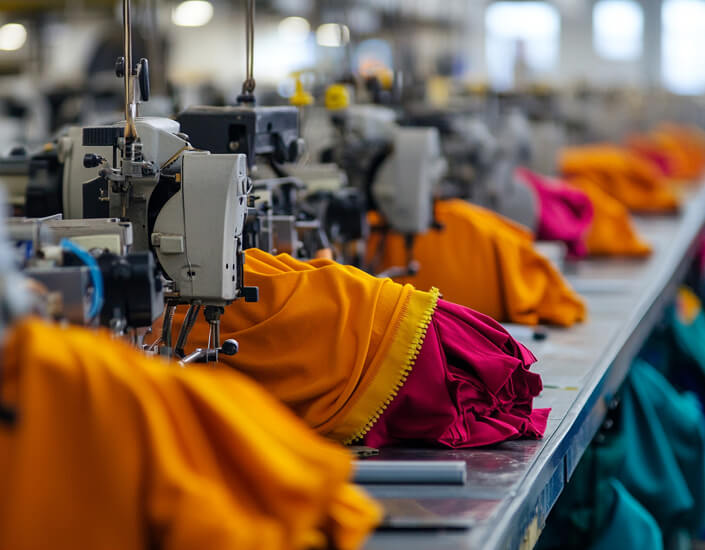
The technical specifications of a fabric completely determine its physical behavior, its long-term durability, and its seasonal application. Fabric weight is typically measured in GSM (Grams per Square Meter). For example, a 150 GSM combed cotton is remarkably lightweight, highly breathable, and perfect for a breezy summer t-shirt. On the other end of the spectrum, a 450 GSM heavyweight French terry is incredibly dense, exceptionally warm, and the ideal choice for a premium, structured winter hoodie. But it is not just about weight; molecular composition is equally crucial. Blending different materials can yield vastly superior, hybrid results. A blend of 95% Pima cotton and 5% elastane provides the luxuriously soft, natural feel of cotton with the added engineered benefit of four-way stretch and structural shape retention. Understanding these nuances is a hallmark of a refined Custom Apparel Manufacturing Process. Additionally, the choice of the specific textile weave—whether it is a stretchy jersey, a textured pique, a durable diagonal twill, or a thick interlock—drastically alters the texture and integrity of the fabric. Top-tier brands conduct rigorous, repeated wash and wear tests during this phase to absolutely guarantee that the chosen fabric will not pill, fade, or aggressively warp after just a few cycles in a standard home washing machine.
The Critical Role of Sustainable Sourcing and Ethical Choices
In today’s highly environmentally conscious and globally connected landscape, sustainability is no longer merely a marketing buzzword; it is an uncompromising consumer expectation. Modern apparel brands are under massive, increasing pressure to actively minimize their carbon footprint, reduce water waste, and ensure strictly ethical labor practices throughout their entire global supply chain. The demand for eco-friendly practices has profoundly impacted the Custom Apparel Manufacturing Process, forcing supply chains to adapt and innovate rapidly. Sustainable sourcing involves making conscious decisions at every tier of the supply chain:
- Organic Fibers: Utilizing cotton or linen grown entirely without the use of toxic, synthetic pesticides or harmful chemical fertilizers.
- Recycled Synthetics: Spinning high-quality polyester threads derived entirely from post-consumer plastic water bottles retrieved from oceans.
- Eco-Friendly Dyes: Employing closed-loop dyeing systems and natural dyes that completely eliminate the discharge of toxic heavy metals into local waterways.
- Labor Transparency: Conducting third-party, independent audits to guarantee that fair, living wages are paid and perfectly safe working conditions are upheld for factory workers.
While sustainably sourced materials often come with a noticeably higher raw price tag, they resonate deeply and emotionally with modern consumers who are more than willing to pay a premium for guilt-free fashion. Making ethical sourcing choices not only protects our planet’s fragile ecosystems but also builds immense, unbreakable brand loyalty and consumer trust over the long term.
Phase 3: Precision Pattern Making and Digital Grading
With the aesthetic design locked in and the raw materials successfully sourced, it is time to finally give the conceptual garment its physical, three-dimensional shape. Pattern making is the highly complex translation of a 2D fashion illustration into actual 2D paper or digital templates that, when precisely sewn together, create a flawlessly fitting 3D garment. It is an intricate, mathematical discipline that requires a profound, innate understanding of human anatomy, physical fabric behavior, and spatial geometry. A master pattern maker can look at a flat, basic sketch and immediately know exactly how to manipulate the fabric’s grainline to achieve the perfect desired drape. It is widely considered the most technically demanding stage of the Custom Apparel Manufacturing Process. Traditionally done with large sheets of kraft paper, curved rulers, and sharp pencils, pattern making has thankfully largely transitioned into the digital realm using advanced CAD (Computer-Aided Design) software. This modern technology allows for rapid, millimeter-perfect adjustments, exact digital measurements, and seamless, direct integration with automated fabric cutting machines. Once the base size pattern (usually a standard Medium) is perfected and approved, the digital pattern must be mathematically “graded” to create the full spectrum size run. Proper grading algorithms ensure that the visual proportions remain perfectly consistent and structurally sound whether the garment is a size Extra Small or an Extra-Extra Large.
The Art and Science of the Perfect Fit
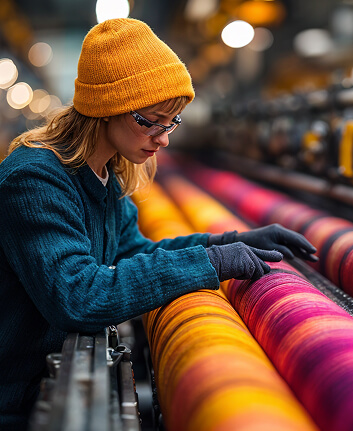
Fit is the absolute ultimate defining factor of a garment’s commercial and critical success. A beautifully designed, highly innovative shirt made from the finest, most expensive imported silk will sit completely untouched in a dark closet if it simply does not fit properly. Achieving the perfect fit requires an almost obsessive, unrelenting attention to detail. Pattern makers must carefully calculate the necessary “ease” (the extra room allowed for physical movement), the exact drop angle of the shoulder seam, the precise circumference of the armhole to prevent pulling, and the flattering taper of the waistline. This relentless pursuit of perfection is what distinctly separates amateur indie labels from world-renowned fashion houses. In a comprehensive Custom Apparel Manufacturing Process, fit is continually refined through live model testing, not just static mannequins. Live models walk, sit, reach, and stretch, thereby exposing critical flaws and tension points in the pattern that a stiff, motionless dummy would easily hide. Adjustments are made, often down to a fraction of an inch, to ensure the garment moves harmoniously with the dynamic human body.
Prototyping, Muslins, and Sample Iterations
Before full-scale bulk production can ever commence, physical prototypes must be created, heavily scrutinized, and officially approved in writing. This is universally known as the sampling phase. It typically involves several distinct, necessary rounds of iterations to achieve perfection. The first attempt is usually a “fit sample” (sometimes called a muslin), made rapidly from a cheaper, substitute fabric purely to test the pattern’s geometry and basic silhouette. Once the core fit is fully approved, a highly anticipated “pre-production sample” (PPS) is painstakingly created. The PPS is manufactured using the exact bulk fabric, the exact custom trims, and the exact dyed colors that will be utilized in the final commercial run. This sample represents the absolute gold standard for the production line. Approving this sample is the point of no return in the Custom Apparel Manufacturing Process. The brand founders and technical designers meticulously review the PPS for correct stitch quality, precise color accuracy under different light sources, perfect label placement, and overall flawless execution. If any discrepancies whatsoever are found, a brand-new sample must be made. Only when the brand signs off on the final, perfect PPS does the factory receive the official green light to begin unrolling and cutting the bulk fabric inventory.
Phase 4: Full-Scale Production and Assembly Operations
With the pre-production sample officially signed, sealed, and approved, the massive factory floors finally roar to life. The bulk production phase is an awe-inspiring marvel of intense logistical coordination and high-speed assembly-line efficiency. It is the critical juncture where thousands of yards of raw fabric are systematically transformed into thousands of perfectly identical, finished garments in a matter of a few short weeks. Managing this chaotic phase requires extreme, uncompromising organization and strict, unyielding adherence to delivery timelines. Factory managers act like symphony conductors, orchestrating a massive workforce of specialized cutters, rapid sewers, hawk-eyed quality inspectors, and heavy-lifting logistics personnel. The sheer scale of operations during this phase of the Custom Apparel Manufacturing Process leaves no room for hesitation or error. Every single sewing machine must be freshly oiled and calibrated, every worker must understand their specific, repetitive task, and every batch of fabric must be staged properly to avoid bottlenecks. Production is typically broken down into distinct, isolated departments, each specializing in a single, hyper-focused aspect of garment creation. This rigid division of labor ensures maximum possible speed and absolute consistency.
The Exacting Science of Fabric Cutting
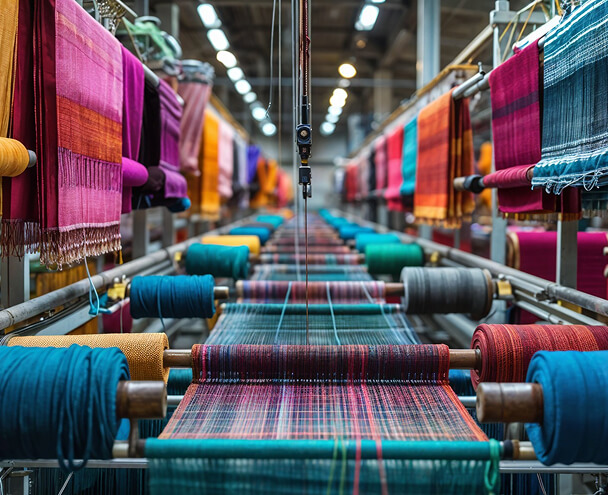
The very first physical step of bulk production on the factory floor is cutting the heavy rolls of fabric. But before a single steel blade touches the material, the fabric must undergo a crucial, time-consuming process called “relaxing.” Fabric is stretched tightly under immense tension when it is rolled onto bolts at the textile mill; if it is cut immediately, it will shrink drastically and unpredictably once sewn. Relaxing involves unrolling the fabric and letting it sit untouched for up to 48 hours to return to its natural, unstretched state. Once fully relaxed, the fabric is spread precisely across massive, 50-foot tables in dozens, sometimes hundreds, of perfectly aligned layers. Next, a “marker”—a highly optimized, puzzle-like digital layout of all the pattern pieces designed specifically to minimize fabric waste—is placed securely on top of the stack. The cutting itself is executed with extreme, surgical precision. In a modernized Custom Apparel Manufacturing Process, computer-controlled laser cutters slice through stacks of material with zero deviation from the digital CAD pattern. Accurate cutting is critically important; if a single panel is cut even slightly off the fabric’s natural grainline or a few millimeters too small, it will completely distort and twist the entire garment when sewn together.
Sewing Execution and Stitch Variations
The bustling sewing floor is the true beating heart of the apparel factory. Here, the bundled, newly cut fabric pieces are finally assembled into recognizable, wearable garments. This incredible feat is typically accomplished using a highly organized progressive bundle system. In this system, the garment rapidly moves down a long line of specialized sewing operators, each performing a single, specific operation at lightning speed—one person solely sews the shoulder seams all day, the next expertly attaches the ribbed collar, the next neatly hems the sleeves, and so on. This hyper-specialization ensures incredible operational speed and unwavering stitch consistency. Executing flawless stitching is a core pillar of the Custom Apparel Manufacturing Process, ensuring long-lasting durability. Different structural seams require vastly different, highly specialized machines:
- Single-Needle Lockstitch: Used for clean, delicate seams on luxury dress shirts and fine woven garments.
- Overlock (Serger) Stitch: Essential for finishing the raw inside edges of fabric to prevent fraying and unraveling over time.
- Coverstitch: Used primarily for the neat, stretchy hems on t-shirts, hoodies, and activewear bottoms.
- Flatlock Stitch: A highly specialized, bulky seam that joins two pieces of fabric edge-to-edge without overlapping, crucial for preventing chafing in tight athletic compression wear.
The delicate thread tension, the exact stitch density (measured strictly in stitches per inch), and the specific needle size must all be perfectly calibrated by the factory mechanics for the specific fabric being sewn.
Advanced Printing and Embellishment Techniques
Beyond the fundamental structural assembly, garments often require branding, graphics, and decorative details. This customization step breathes life into the garment creation workflow and gives a brand its unique visual identity. The application of these details must be executed flawlessly to prevent peeling, cracking, or fading over the life of the product. Several primary embellishment techniques dominate the industry today. Traditional Screen Printing involves pushing thick, durable plastisol or soft water-based inks through a fine mesh stencil directly onto the fabric. It is highly cost-effective for massive bulk orders and provides vibrant, long-lasting colors. Direct-to-Garment (DTG) printing utilizes specialized inkjet technology to print highly complex, multi-colored, photographic designs directly onto the cotton fibers, making it ideal for low minimums and intricate artwork. Dye Sublimation is a chemical process used exclusively on polyester fabrics where heat converts solid ink into a gas that permanently bonds with the polymer fibers, resulting in a completely unfeelable, zero-hand graphic. Finally, high-end Embroidery involves automated, multi-head machines stitching thick, lustrous threads into the fabric to create a raised, premium, and incredibly durable logo or design.
Rigorous Quality Assurance and AQL Standards
Quality control cannot simply be a rushed afterthought applied at the very end of the production line; it must be deeply interwoven into every single step of manufacturing. In-line quality assurance involves roaming, highly trained inspectors actively patrolling the sewing floor, randomly checking and measuring garments as they are currently being assembled. If a specific sewing machine’s tension suddenly goes out of whack, a vigilant in-line inspector will catch the error immediately, successfully preventing hundreds of defective garments from being produced and ruined. Maintaining strict quality thresholds protects the brand and its bottom line. Inspectors utilize strict, mathematically defined AQL (Acceptable Quality Limit) standards—typically AQL 2.5 for premium apparel—to determine exactly whether a massive production batch passes or fails. They obsessively look for a multitude of potential defects: severely uneven hems, skipped stitches, puckered seams, misaligned graphic prints, incorrect care label placements, and sizing discrepancies that violate the tech pack tolerances. If a garment completely fails inspection, it is either sent back down the line for immediate rework or ultimately discarded as a defective “second.”
Phase 5: Finishing, Pressing, and Logistics
After the items are fully assembled and have successfully passed the rigorous initial quality checks, they immediately enter the busy finishing department. A garment straight off the sewing machine table looks remarkably rumpled, tired, and incomplete. Finishing is the transformative process of elevating the raw, dusty product into a pristine, retail-ready luxury item. The final garment fabrication journey ends with a beautifully presented item that is ready to wow the consumer. First, any stray, loose threads (known as snips) are carefully and manually trimmed with precision scissors by a dedicated team. Next, the garments undergo a thorough, high-temperature pressing or steaming. Industrial steam presses utilize intense heat, heavy pressure, and vacuum suction to permanently set the fresh seams, effortlessly remove deep wrinkles, and give the garment its final, crisp, three-dimensional shape. A poorly pressed garment looks remarkably cheap and unprofessional, regardless of the high fabric quality used.
Retail-Ready Packaging and Global Fulfillment
Packaging is the very first physical touchpoint a consumer has with your hard-earned product, making it an absolutely critical component of the overall brand experience. In the final finishing stages, the freshly pressed garments are meticulously folded according to strict, specific brand guidelines (e.g., flat fold vs. rolled). They are then carefully tagged with retail price tickets, scannable UPC barcodes, and custom-designed thick cardstock hangtags. For premium and luxury brands, the packaging goes far beyond a simple, cheap clear polybag. The unboxing experience might actively involve custom-printed acid-free tissue paper, branded die-cut stickers, woven dust bags, and fully biodegradable, eco-friendly mailing mailers. The logistics network ensures smooth delivery to the end consumer. The freshly packaged garments are tightly packed into sturdy, heavily reinforced double-wall master cartons, clearly labeled with size breakdowns, gross weights, and global destination details. From here, massive freight forwarders take over, expertly managing the incredibly complex global logistics of shipping the goods via slow ocean freight or rapid air freight, navigating confusing international customs clearances, and ultimately delivering the inventory safely to the brand’s warehouse.
Why You Need a Reliable Agency Partner for Your Brand
Attempting to blindly navigate the terrifying complexities of international apparel production entirely alone is a guaranteed recipe for severe stress and financial disaster. The myriad of rapidly moving parts—from negotiating raw material sourcing to managing sample revisions to enforcing strict quality control—requires highly specialized, boots-on-the-ground expertise and long-established factory relationships. This is exactly why partnering with a proven, dedicated, and highly communicative manufacturing agency is the most strategic, ROI-positive decision a clothing brand can possibly make. An experienced production partner acts as your dedicated eyes and ears directly on the factory floor, actively anticipating massive problems months before they occur and ensuring that your creative vision is executed flawlessly to the millimeter. They handle the stressful, tedious, late-night negotiations, overcome severe language barriers, and manage all logistics, allowing you to focus your valuable energy on what you actually do best: designing incredible clothes, marketing your brand, and growing your sales revenue.
Overcoming Common Bottlenecks in Production
Even with the absolute best planning and world-class factory partners, massive apparel manufacturing is heavily prone to sudden challenges. Global supply chain disruptions, violently fluctuating raw material costs, and unexpected factory power delays are common, unavoidable realities. One of the most frequent, frustrating bottlenecks is sudden material sourcing delays. If the specific, custom Pantone dye for your fabric suddenly runs out at the mill, it can violently halt your entire production schedule for weeks. Another incredibly common issue is poor miscommunication regarding the technical details of the tech pack, leading to endless, frustrating sample revisions that eat up valuable time and capital. Robust contingency planning keeps the supply chain moving smoothly despite these hurdles. Never operate your business on a zero-margin-for-error delivery schedule. Always build in generous buffer timelines and secure alternative backup suppliers for your most critical components to ensure you never miss a major seasonal launch.
Conclusion: The Path to Apparel Excellence
Bringing a beautiful piece of clothing to life from scratch is an incredible, highly rewarding journey of physical transformation. From a rough pencil sketch on a notepad to a beautifully finished, retail-ready garment, every single step requires immense passion, unwavering precision, and profound technical knowledge. The global landscape of fashion is constantly, rapidly evolving, but the core, traditional principles of high quality and dedicated craftsmanship remain eternal. By deeply mastering the entire production workflow, brands can successfully elevate themselves far above the deafening noise of cheap fast fashion, delivering premium products that deeply resonate with consumers and effortlessly stand the test of time. It is a highly demanding endeavor, requiring extreme patience and a relentless pursuit of perfection. If you are ready to embark on this incredible journey, or if you are urgently looking to elevate your current production standards to the absolute highest tier, you do not have to do it alone. Please reach out to us today and let our dedicated team of seasoned industry experts turn your ambitious apparel vision into a stunning, profitable reality.