
The Transformative Power of Fashion in the Modern World
The Societal Impact of Clothing
Fashion is not merely about covering the body; it is a profound form of self-expression, a cultural touchstone, and a historical record of human evolution. Over the centuries, the way we dress has communicated our status, our beliefs, and our aspirations to the world around us. In the modern era, this dynamic has only accelerated, with trends moving at the speed of light and consumers demanding more from the brands they support. The intersection of art and commerce is nowhere more evident than in the apparel industry, a multi-trillion-dollar global juggernaut that influences everything from pop culture to politics. Understanding the nuances of this industry requires a deep dive into its mechanics, its psychology, and its future trajectory. It requires an appreciation for the artisans who weave the fabrics and the designers who conceptualize the silhouettes that define our generations.
The Journey from Concept to Consumer
For aspiring designers and established brands alike, the journey from concept to consumer is fraught with challenges and opportunities. The initial spark of inspiration—whether drawn from vintage archives, street culture, or haute couture runways—must be meticulously translated into tangible garments. This translation process is where the true magic happens, but it is also where many brands stumble. The gap between a beautiful sketch and a wearable, durable, and marketable piece of clothing is vast, requiring technical expertise, logistical planning, and a deep understanding of materials. Each step, from the first draping on a mannequin to the final stitch on the production line, is a critical component of the brand’s narrative. If any of these steps falter, the entire product can suffer, leading to wasted resources and lost potential in a highly competitive marketplace.
The Foundation of a Brand
This is precisely why partnering with the right entity is so crucial. A brand is only as strong as its foundation, and in the fashion world, that foundation is built on the manufacturing floor. When you align yourself with a premier Custom Fashion Clothing Manufacturer, you are not just hiring a vendor; you are securing a collaborative partner who understands the intricacies of pattern making, fabric sourcing, and quality control. This partnership is the bedrock upon which successful, enduring brands are built, allowing designers to focus on their creative vision while leaving the technical execution in capable hands. Without this vital collaboration, even the most brilliant designs remain mere concepts, unable to withstand the rigorous demands of mass production and consumer wear.
The Shift Away From Fast Fashion
The Hidden Costs of Convenience
In recent decades, the industry has been dominated by the fast fashion model—a system designed to produce high volumes of trendy clothing at rock-bottom prices. While this approach democratized fashion to some extent, allowing consumers to update their wardrobes frequently, it came with steep hidden costs. Environmental degradation, unethical labor practices, and a culture of disposability have cast a long shadow over the fast fashion phenomenon. Mountains of discarded garments pile up in landfills, while the rivers near dye houses run toxic with chemicals. Consumers are increasingly waking up to these harsh realities, demanding transparency and accountability from the brands they patronize, and refusing to turn a blind eye to the true cost of their cheap garments.
The Rise of Conscious Consumerism
This awakening has given rise to conscious consumerism, a paradigm shift where shoppers prioritize quality, ethics, and longevity over cheap thrills. Modern consumers want to know who made their clothes, what materials were used, and what impact their purchase has on the planet. They are willing to invest in pieces that tell a story and reflect their values, rather than settling for disposable items that lose their appeal after a few washes. This shift presents a massive opportunity for independent brands and emerging designers who can offer authentic, well-crafted alternatives to mass-produced garments. Brands that can authentically communicate their commitment to ethical practices are finding a fiercely loyal customer base eager to support their mission.
Embracing the Slow Fashion Ethos
To capitalize on this trend, brands must pivot towards the slow fashion ethos. This means producing smaller, more considered collections, focusing on timeless designs, and using high-quality materials that stand the test of time. However, executing this model requires a completely different approach to production. Fast fashion factories are built for speed and volume, not precision and care. Therefore, finding a specialized Custom Fashion Clothing Manufacturer is essential for brands looking to produce premium garments. Such a partner can accommodate smaller minimum order quantities, offer greater customization options, and maintain the rigorous quality standards required for slow fashion success, ensuring each piece is treated as a lasting investment rather than a fleeting trend.
Defining True Quality in Garment Creation
Moving Beyond the Surface
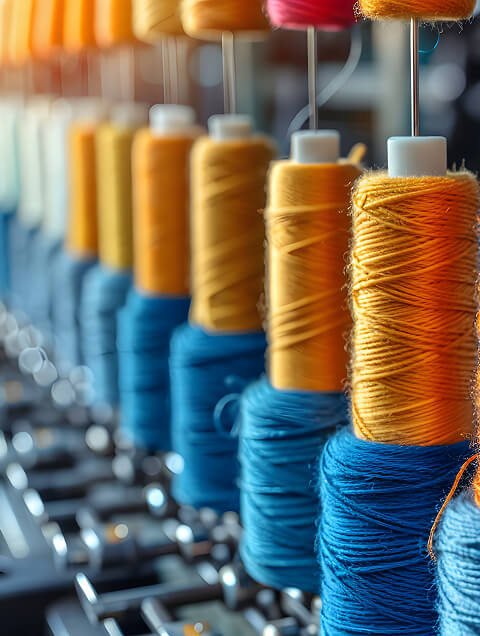
Quality in clothing is often misunderstood. It is not merely about a recognizable logo or a high price tag; true quality is woven into the very fabric of the garment. It encompasses the durability of the materials, the precision of the stitching, the thoughtfulness of the design, and the comfort of the fit. A high-quality garment feels substantial, drapes beautifully, and retains its shape and color wash after wash. Achieving this level of excellence requires an uncompromising commitment to detail at every stage of the production process, from the selection of raw fibers to the final pressing and packaging of the completed item. It is a holistic approach to creation that values longevity over immediacy.
The Anatomy of Excellence
Consider the anatomy of a premium t-shirt. The cotton must be long-staple for softness and durability, preventing the pilling and thinning that plague cheaper alternatives. The seams should be reinforced to prevent unraveling under stress. The collar must have the right amount of stretch and recovery to maintain its shape over time. The dye must be colorfast and evenly applied to prevent fading and bleeding. These might seem like minor details, but together, they determine the lifespan and perceived value of the product. When a brand consistently delivers this level of quality, it builds trust and loyalty with its customer base, transforming one-time buyers into lifelong advocates who return season after season.
The Manufacturing Imperative
But how does a brand guarantee this consistency across thousands of units? The answer lies in the production facilities they choose. You cannot expect premium results from a factory that cuts corners or lacks specialized equipment. By working with a dedicated Custom Fashion Clothing Manufacturer, brands gain access to master craftspeople and state-of-the-art machinery. These manufacturers understand that quality is not an accident; it is the result of rigorous protocols, continuous testing, and a deep-seated pride in the finished product. They are the invisible force that elevates a good design into a great garment, ensuring that the brand’s promise of excellence is fulfilled with every piece that leaves the factory.
The Critical Role of a Reliable Production Partner
Treating the Factory as an Extension of Your Brand
Many emerging designers view manufacturing as a necessary evil—a transactional process to be outsourced and forgotten once the purchase order is signed. This is a fatal mistake in the competitive apparel landscape. The production facility is fundamentally an extension of your brand; their capabilities dictate your creative boundaries, and their failures inevitably become your customer service nightmares. A reliable partner is communicative, transparent, and proactive in solving problems before they impact the final delivery. They act as a trusted sounding board, advising on fabric choices, construction techniques, and cost-saving measures without ever compromising the core design aesthetic or the integrity of the garment.
Navigating Immense Complexities
The complexities of garment production cannot be overstated. From pattern grading and marker making to cutting, sewing, and finishing, there are countless variables that must align perfectly to achieve a successful outcome. A miscalculation in fabric shrinkage, a delayed trim shipment, or a simple misunderstanding of a technical specification can derail an entire season’s launch. Managing these variables requires years of experience and incredibly robust operational systems. A novice brand attempting to coordinate multiple raw material suppliers and independent contractors on their own is practically courting disaster, as the margin for error in apparel manufacturing is razor-thin.
Finding Synergy in the Process
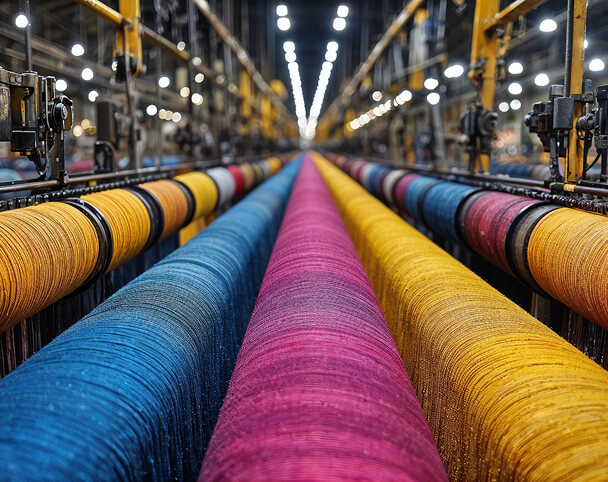
The most successful apparel brands recognize that achieving perfect synergy with their production facility is a massive competitive advantage. When you engage a top-tier Custom Fashion Clothing Manufacturer, you streamline the entire development and production process. These comprehensive manufacturers offer end-to-end solutions, handling everything from initial fabric sourcing and iterative prototyping to bulk production and retail-ready packaging under one roof. This vertical integration minimizes miscommunication, significantly accelerates turnaround times, and ensures a cohesive, high-quality final product. It provides the ultimate peace of mind for a brand founder, allowing them to focus entirely on marketing, community building, and driving sales.
Understanding Fabric Sourcing and Selection
The Designer’s Canvas
Fabric is the literal canvas upon which a designer’s vision is realized. The choice of material dictates not only the aesthetic look and tactile feel of the garment but also its functionality, long-term durability, and overall cost structure. In today’s highly advanced textile market, the options are virtually limitless, ranging from traditional natural fibers like organic cotton, merino wool, and mulberry silk to advanced synthetic performance blends and innovative eco-friendly materials like Tencel and recycled polyester. Navigating this vast and constantly evolving landscape requires extensive knowledge of textile properties, including weight (GSM), weave structure, drape characteristics, and hand-feel.
The Broader Impact of Textiles
The impact of textiles extends far beyond mere aesthetics. The right functional fabric can dramatically enhance a garment’s performance, offering essential features like moisture-wicking, thermal regulation, or UV protection for activewear and outerwear categories. Conversely, the wrong fabric choice can render an otherwise beautiful design completely unwearable or impractical. Furthermore, today’s conscious consumers are increasingly scrutinizing the origins of the materials they wear. Brands must be fully prepared to answer detailed questions about the environmental impact of their textiles, the ethics of their sourcing practices, and the overall lifecycle and biodegradability of the materials they choose to utilize.
Leveraging Expert Networks
Sourcing premium, sustainable, and unique fabrics at competitive wholesale prices is a monumental challenge for independent brands, who often lack the purchasing power, industry clout, and direct connections of major global conglomerates. This is where establishing a strategic manufacturing partnership becomes invaluable. A reputable Custom Fashion Clothing Manufacturer maintains an extensive, vetted network of trusted textile mills and material suppliers worldwide. They can source specific, hard-to-find fabrics based on your exact technical requirements, negotiate favorable minimum order quantities, and rigorously verify the authenticity of sustainable certifications, ensuring your garments start with the absolute best possible ingredients.
The Intricate Design and Prototyping Phase
Translating Sketches into Tech Packs
The transition from a conceptual two-dimensional sketch to a tangible three-dimensional garment is a rigorous process requiring immense technical precision. This phase officially begins with the creation of a tech pack—the essential blueprint of the garment. A comprehensive and professional tech pack must include detailed flat sketches (CADs), precise measurements, complete grading rules for all sizes, a meticulous bill of materials (BOM), and specific construction and stitching details. It is the definitive guide that tells the factory exactly how to construct the product. A poorly executed or ambiguous tech pack is the primary cause of manufacturing errors, ruined samples, and costly production delays.
The Iterative Art of Prototyping
Once the tech pack is finalized and submitted, the critical prototyping phase begins. The initial physical sample, often referred to as the first fit sample, is rarely perfect on the first attempt. It serves as a necessary starting point to evaluate the overall silhouette, the natural drape of the chosen fabric, and the baseline accuracy of the pattern. Successive iterations—including size runs, pre-production (PP) samples, and top-of-production (TOP) samples—are absolutely necessary to refine the garment until it perfectly meets the designer’s exact specifications and fit requirements. This iterative process requires immense patience, exceptionally clear communication, and a keen eye for minute details.
Accelerating the Development Cycle
Managing this complex development cycle efficiently is critical for hitting strict seasonal retail deadlines. Miscommunications or shipping delays during the prototyping phase can easily set a brand back weeks or even months, causing them to miss key selling windows. By utilizing an experienced Custom Fashion Clothing Manufacturer, brands can significantly accelerate this entire phase. These top-tier manufacturers employ highly skilled in-house pattern makers and dedicated sample machinists who can quickly translate tech packs into physical prototypes. Their deep technical expertise allows them to anticipate potential construction issues and suggest functional improvements early in the process, ultimately saving the brand significant time and money.
Embracing Sustainability and Ethical Practices
The Crucial Environmental Imperative
The global fashion industry has a well-documented and severe environmental problem, contributing massively to global carbon emissions, freshwater pollution, and overflowing textile waste in landfills. As the devastating impacts of climate change become impossible for society to ignore, sustainability is no longer merely a niche marketing angle or a bonus feature; it is an absolute business necessity. Brands must critically and honestly evaluate their entire product lifecycle, from the agricultural practices used to grow their natural fibers to the end-of-life disposal and recyclability of their garments. This holistic approach requires a deep, unwavering commitment to transparency and continuous, measurable improvement.
Upholding Ethical Labor Standards
Equally important to environmental sustainability are the ethical and humanitarian implications of global garment production. The horrific tragedy of the Rana Plaza factory collapse in 2013 permanently exposed the dangerous and exploitative conditions faced by millions of garment workers worldwide. Today’s educated consumers demand strict assurance that the people making their clothes are paid fair living wages, work in safe, well-ventilated environments, and are treated with dignity and respect at all times. Brands that fail to prioritize human rights and labor compliance within their supply chains face severe reputational damage, consumer boycotts, and potential legal repercussions.
Implementing Responsible Manufacturing Operations
Implementing genuinely sustainable and ethical practices is a complex undertaking, but it fundamentally begins with selecting the right production partners from the outset. Brands must actively seek out a Custom Fashion Clothing Manufacturer that inherently shares their ethical values and environmental goals. These forward-thinking manufacturers invest heavily in energy-efficient machinery, implement closed-loop water filtration systems for their dye houses, and adhere strictly to international fair labor standards and certifications. They provide full, unhindered transparency into their daily operations, allowing brands to confidently communicate their ethical commitments to their customers, thereby building unbreakable trust and driving long-term brand loyalty.
Demystifying the Apparel Supply Chain
Navigating a Web of Interconnected Nodes
The modern apparel supply chain is a highly fragmented, globally dispersed, and incredibly complex web of interconnected nodes, often spanning multiple continents and involving dozens of different independent stakeholders. From the cotton farmer harvesting the crop and the yarn spinner creating the thread to the fabric mill weaving the textile, the dye house applying the color, the cut-and-sew facility assembling the garment, and the logistics provider managing the freight, every single link in this vast chain must function flawlessly for a garment to reach the end consumer on time. Disruptions at any stage—whether due to geopolitical instability, unexpected natural disasters, or sudden labor strikes—can have devastating cascading effects throughout the entire system.
The Absolute Need for Transparency and Visibility
Historically, apparel brands had very little visibility into their supply chains beyond their direct, Tier 1 sewing suppliers. This systemic opacity made it virtually impossible to guarantee ethical labor practices or accurately trace the true origins of raw materials. Today, however, advancing technology and increasingly stringent governmental regulations are actively forcing greater transparency across the industry. Brands are now mapping their supply chains in meticulous detail, striving to understand exactly where, how, and by whom their products are made. This comprehensive visibility is absolutely essential for mitigating operational risk, improving overall efficiency, and verifying public sustainability claims.
Consolidating the Chain for Efficiency
Managing such a massive and complex network is a daunting and resource-intensive task, especially for smaller independent brands with limited internal staff. One of the most highly effective strategies for simplifying these operations and reducing risk is supply chain consolidation. By partnering with a vertically integrated Custom Fashion Clothing Manufacturer, brands can significantly reduce the total number of individual vendors they have to manage daily. These comprehensive manufacturers handle all the complex coordination between raw material mills, dye houses, and sewing floors internally, providing the brand with a single, reliable point of contact and ensuring that all components come together seamlessly and on schedule.
Criteria for Selecting Your Ideal Partner
Evaluating Technical Capabilities
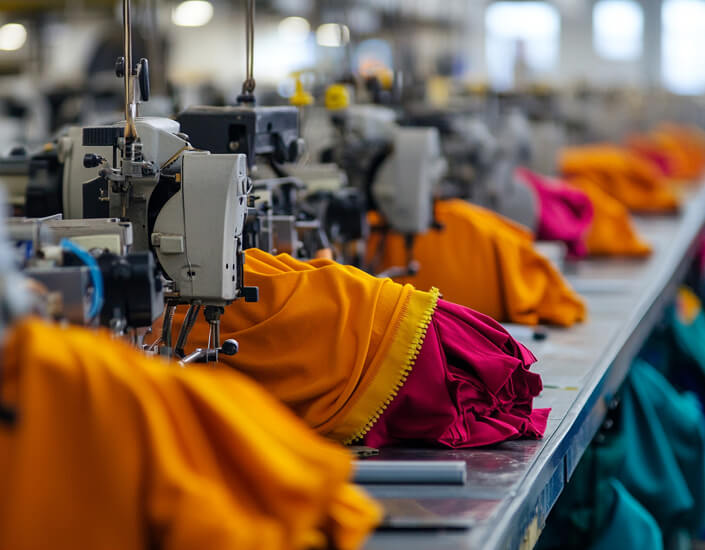
Choosing a primary manufacturing partner is undeniably one of the most consequential strategic decisions a fashion brand will ever make. The evaluation process must be incredibly rigorous, objective, and thorough. The very first step is assessing the factory’s specific technical capabilities. Do they truly specialize in your exact product category? A factory that excels at heavy, insulated outerwear may not have the delicate machinery required to handle fine silk lingerie. You must carefully review their past portfolio, physically examine their previous work samples, and ensure they have the specific, specialized machinery and technical expertise required to execute your unique designs to your exact quality standards.
Assessing Minimum Order Quantities (MOQs)
Another absolutely critical financial factor to consider is the factory’s Minimum Order Quantity (MOQ). MOQs dictate exactly how much inventory you must financially commit to for each specific style and colorway. Exceedingly high MOQs can tie up significant amounts of your working capital in unsold inventory, dramatically increasing the financial risk for new and emerging brands. Conversely, extremely low MOQs often come with exorbitant, unsustainable per-unit costs that destroy profit margins. The ultimate goal is to find a reliable partner whose MOQs perfectly align with your safely projected sales volume and available budget, allowing for healthy retail margins without taking on excessive, crippling inventory risk.
Building Communication and Deep Trust
Ultimately, any successful and enduring manufacturing relationship is built entirely on clear communication and mutual trust. Language barriers, significant time zone differences, and subtle cultural nuances can often complicate daily business interactions. You absolutely need a partner who is highly responsive, brutally transparent about delays, and proactive in identifying potential issues. When interviewing a potential Custom Fashion Clothing Manufacturer, pay very close attention to exactly how they handle your initial inquiries. Are they asking insightful, technical questions? Do they provide clear, realistic timelines and transparent pricing structures? A manufacturer who communicates exceptionally well during the initial vetting process is exponentially more likely to be a reliable, communicative partner when bulk production is actually underway.
The Business Dynamics of Launching a Label
Looking Beyond the Creative Design
Many highly creative individuals excel at designing beautiful, innovative clothing but struggle immensely with the harsh business realities of running a profitable fashion label. The fashion industry is notoriously capital-intensive, characterized by long lead times and exceptionally tight profit margins. Successfully launching and sustaining a brand requires meticulous financial planning and forecasting, including highly accurate product costings, realistic and conservative sales projections, and a rock-solid understanding of ongoing cash flow management. As a founder, you must accurately account for not only direct production costs but also substantial expenses related to digital marketing, warehousing, fulfillment logistics, customer service, and general operational overhead.
Developing Profitable Pricing Strategies
Developing a sound, mathematically viable pricing strategy is absolutely crucial for the basic survival of your brand. You must accurately calculate the true landed cost of your goods—which comprehensively includes direct manufacturing, international freight, import duties, and customized packaging—and then apply an appropriate, industry-standard retail markup to achieve your target retail price. If your final retail price is set too high, you risk alienating your core target audience; if it is set too low, you simply will not generate enough gross profit to sustain daily operations and fund future growth. Balancing perceived brand value with actual hard costs requires constant, rigorous financial analysis and ongoing strategic adjustment.
Leveraging Manufacturer Efficiencies for Profit
To maximize overall profitability in a challenging market, brands must relentlessly and continuously pursue manufacturing efficiencies wherever possible. This complex process involves optimizing cutting yields to drastically reduce fabric waste, streamlining overly complex designs to lower direct labor costs, and expertly negotiating favorable long-term terms with key suppliers. A seasoned Custom Fashion Clothing Manufacturer is an absolutely invaluable asset in this specific regard. They can provide expert value engineering insights, proactively suggesting minor design modifications that significantly reduce overall production costs without ever compromising the visual aesthetic integrity or the premium quality of the final garment.
Trend Forecasting and Staying Ahead of the Curve
Adapting to the Unprecedented Speed of Change
The global fashion industry is fundamentally defined by constant, rapid change. Micro-trends emerge, peak in popularity, and completely fade at an unprecedented pace, heavily driven by social media algorithms, digital influencers, and rapid global cultural shifts. For a modern apparel brand to remain culturally relevant and financially successful, it must possess a keen sense of market timing and the innate ability to anticipate consumer desires months before they fully materialize in the mainstream. This demanding task requires continuous, exhaustive market research, professional trend forecasting analysis, and a deep, empathetic understanding of your specific target demographic’s evolving lifestyle, needs, and core values.
Balancing Ephemeral Trend and Core Identity
However, blindly and frantically chasing every single fleeting micro-trend is a guaranteed recipe for brand dilution and ultimate disaster. Brands that lack a strong, unwavering core identity quickly lose their footing in the market, becoming entirely indistinguishable from the endless noise of competitors. The strategic key is to carefully filter macro and micro trends exclusively through the established lens of your brand’s unique design DNA. You must ruthlessly decide which trends genuinely complement your aesthetic vision and which should be completely ignored. Incorporating seasonal trends into your core collections should always feel organic, deliberate, and authentic, never forced, desperate, or derivative of other brands.
The Absolute Necessity of Agility in Production
Capitalizing successfully on fleeting trends requires immense operational agility. Traditional fashion development calendars, with their rigid six-to-nine-month lead times, are becoming increasingly obsolete in a digital-first world. Modern brands desperately need the operational ability to react quickly to real-time market demands, rapidly producing small, strategic runs of trending items to test the waters before financially committing to massive, risky bulk orders. This is exactly where an agile Custom Fashion Clothing Manufacturer provides a massive, undeniable competitive edge. By offering rapid, streamlined prototyping and highly flexible production schedules, they enable forward-thinking brands to get trending, highly demanded products to market faster, maximizing immediate sales opportunities while drastically minimizing costly end-of-season markdown risks.
Navigating Common Production Pitfalls
Accepting the Inevitability of Issues
No matter how meticulously and obsessively you plan your collections, production issues are an inevitable, unavoidable reality of the physical apparel manufacturing industry. Complex machinery breaks down unexpectedly, premium fabrics occasionally arrive with hidden damages, custom dyelots do not always match the approved lab dips perfectly, and unavoidable human error naturally occurs on the sewing floor. The defining difference between a highly successful brand and a failed one is not the magical absence of these problems, but rather the systematic ability to navigate and resolve them efficiently and professionally. Approaching production management with a proactive, calm, problem-solving mindset is absolutely essential for maintaining your sanity and protecting your bottom line.
The Massive Danger of Miscommunication
Industry data shows that the vast majority of severe production pitfalls stem directly from basic miscommunication between the brand and the factory. A vague or incomplete tech pack, an unconfirmed verbal agreement over the phone, or a dangerous assumption about standard sizing grading can quickly lead to disastrous, costly results. Comprehensive written documentation is your absolute best defense against these errors. Every single detail, measurement specification, and design change must be communicated clearly in writing and officially acknowledged. Approving critical production samples based solely on low-resolution photos rather than conducting a thorough physical inspection is a very common rookie mistake that almost always leads to massive disappointment when the final bulk production arrives at the warehouse.
The True Value of Manufacturing Expertise
When inevitable issues do arise on the production floor, having a highly experienced, professional partner on your side makes all the difference in the world. An established Custom Fashion Clothing Manufacturer has likely seen and successfully solved virtually every production problem imaginable over their years of operation. They already have established, proven protocols for handling raw fabric flaws, correcting complex pattern grading errors, and effectively expediting delayed international shipments. Their deep industry expertise allows them to troubleshoot problems effectively and calmly, mitigating the severe impact of unforeseen challenges and ensuring that your valuable production run stays on schedule and completely up to your brand’s exacting standards.
The Importance of Stringent Quality Control
Fiercely Protecting Your Brand’s Reputation
In today’s highly competitive, review-driven fashion market, your brand’s public reputation is undeniably your most valuable, fragile asset. A single, poorly manufactured batch of defective garments can instantly result in a devastating flood of negative online reviews, incredibly costly customer returns, and permanent, irreparable damage to consumer trust. Comprehensive Quality Control (QC) is absolutely not an optional add-on service; it is a fundamental, non-negotiable requirement that must be deeply integrated into every single step of the manufacturing process. From the initial raw material inspection to the final folding and packaging, stringent QC protocols are what protect your brand’s integrity and financial future.
Establishing Clear AQL Standards
Effective, professional quality control fundamentally begins with establishing crystal clear Acceptable Quality Limit (AQL) standards before production even begins. These vital mathematical standards define the absolute maximum number of defective units permitted in a specific production run before the entire batch must be officially rejected and reworked. Brands must communicate these strict expectations to their factory clearly and unambiguously. During active production, independent third-party or dedicated in-line factory inspections should be conducted regularly to meticulously check for measurement discrepancies, skipped stitching flaws, hidden fabric defects, and proper legal labeling. Catching these errors early on the line prevents them from being mass-replicated across the entire expensive order.
The Manufacturer’s Ultimate Responsibility
While independent third-party inspections are highly valuable for peace of mind, the primary, day-to-day responsibility for maintaining quality lies entirely with the factory itself. A top-tier Custom Fashion Clothing Manufacturer implements rigorous, multi-tiered internal QC systems as standard operating procedure. They employ dedicated, highly trained quality assurance personnel who constantly monitor the active sewing lines. They conduct rigorous physical pull tests on seams, extensive wash and shrinkage tests on fabrics, and exhaustive visual inspections before any single garment is approved for final shipping. This deep internal commitment to manufacturing excellence ensures that the finished products you receive perfectly meet your exact tech pack specifications and consistently exceed your customers’ highest expectations.
The Global Landscape of Garment Production
Navigating a Constantly Shifting Map
The complex geography of global garment production is in a state of constant, unpredictable flux. For several decades, mass production heavily migrated to specific regions offering the absolute lowest possible labor costs. However, steadily rising global wages, constantly changing international trade agreements, and the modern consumer demand for much faster retail turnaround times are rapidly altering this traditional landscape. Forward-thinking brands are increasingly exploring strategic nearshoring and reshoring options to drastically reduce overseas shipping times, significantly mitigate global supply chain disruptions, and massively improve their overall environmental carbon footprint. Deeply understanding these shifting global macroeconomic dynamics is crucial for developing a robust, future-proof sourcing strategy.
Leveraging Unique Regional Specialties
Different geographic regions of the world have historically developed highly distinct manufacturing specialties and technical infrastructure. Some specific countries are globally renowned for their unparalleled expertise in heavy technical outerwear and waterproof fabrics, while others excel completely at incredibly delicate knitwear, intricate embroidery, or premium selvedge denim production. When strategically choosing a production location, brands must comprehensively consider not only baseline labor costs but also the local availability of highly skilled specialized labor, immediate access to premium raw materials, and the overall quality of local export infrastructure. A completely holistic assessment is necessary to determine the absolute most advantageous manufacturing hub for your specific product categories.
The Massive Importance of Local Expertise
Navigating the extreme complexities of international manufacturing—including confusing customs regulations, complex import tax structures, and nuanced cultural business practices—can be completely overwhelming for a brand. Partnering with an internationally experienced Custom Fashion Clothing Manufacturer radically simplifies this daunting process. They possess the vital local knowledge, established government relationships, and robust logistical networks necessary to operate efficiently and legally across borders. They expertly manage all required export documentation, seamlessly coordinate complex freight forwarding, and absolutely ensure strict compliance with international trade laws, allowing brands to fully benefit from premium global production capabilities without suffering the associated administrative headaches and legal risks.
Conclusion: Forging Your Path in Fashion
Embracing the Journey Ahead
Building a highly successful, enduring fashion brand is absolutely a marathon, not a sprint. It requires a potent, rare combination of unique creative vision, razor-sharp business acumen, and truly unwavering personal resilience. The daily challenges are numerous and complex, ranging from designing compelling, market-ready collections and navigating incredibly complex global supply chains to standing out in a massively crowded digital retail marketplace. However, the ultimate rewards—seeing your personal designs worn and genuinely loved by real people around the world, and building a highly profitable, sustainable business empire—are completely immeasurable. The absolute key to enduring success in this industry is continuous learning, rapid adaptation, and a relentless, uncompromising commitment to product excellence.
Understanding the True Power of Partnership
No apparel brand achieves lasting greatness in complete isolation. The modern fashion industry is a deeply interconnected, highly collaborative global ecosystem. The ultimate strength and scalability of your brand is intrinsically, undeniably linked to the strength and reliability of your chosen partners. By strategically surrounding yourself with proven experts who genuinely share your deep dedication to premium quality and ethical manufacturing, you massively amplify your own capabilities and drastically minimize your operational risks. Cultivating strong, respectful, long-term relationships with your raw material suppliers, manufacturing partners, and logistics providers is arguably just as important as directly engaging with your end customers.
Taking the Decisive Next Step
As you ambitiously embark on or passionately continue your journey in the competitive apparel industry, always remember that your specific choice of manufacturing partner will profoundly and permanently shape your brand’s overall trajectory. Do not ever settle for mediocrity or accept sub-par construction. Actively seek out a dedicated partner who will elevate your initial designs, streamline your complex operations, and proactively support your long-term financial growth. If you are truly ready to bring your creative vision to life with absolute precision, high-end quality, and unmatched professionalism, it is time to connect with an industry-leading Custom Fashion Clothing Manufacturer. Begin building your legacy today and deeply explore the massive possibilities of premium apparel production by reaching out to experts who fundamentally understand your unique needs. Feel free to contact us to intimately discuss the details of your next big collection.